



NAIROBI, Kenya – The most significant existential threat to the expansion of retail companies in Kenya is still the ease and expense of doing business there.
Against this background, the Retail Trade Association of Kenya (RETRAK) is now turning to the ruling Kenya Kwanza government for assistance.
This, even as it emerges that the future of retail in the country is still bright, but intervention is needed to establish an atmosphere that will allow individuals in the company to survive without being choked by taxes that strangle their operations.
Wambui Mbarire, CEO of RETRAK, has accused certain county governments of demanding excessive prices for any commodities and branded vehicles that travel through their jurisdiction.
“Our cry to the government is just one: the cost of doing business. If we can work on the cost of doing business, I think we would not only promote local developments, but we would also grow the agricultural and manufacturing sectors,” said Mbarire.

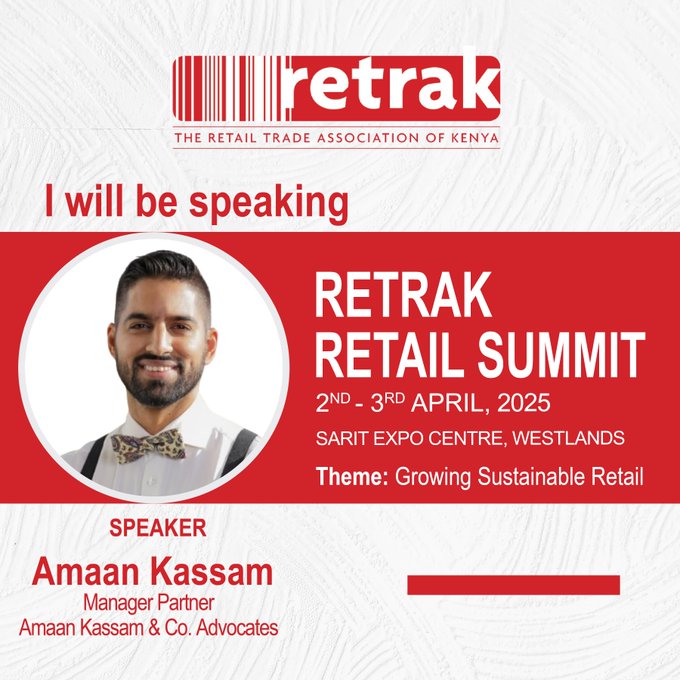
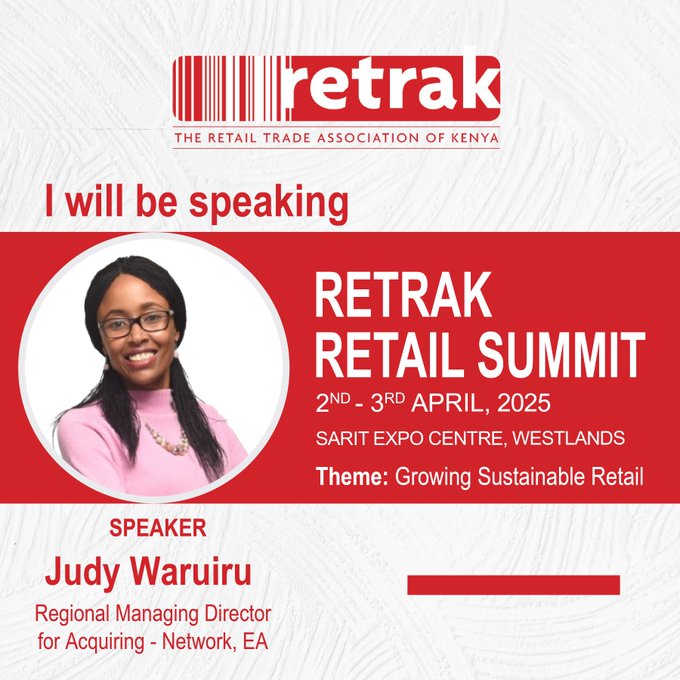
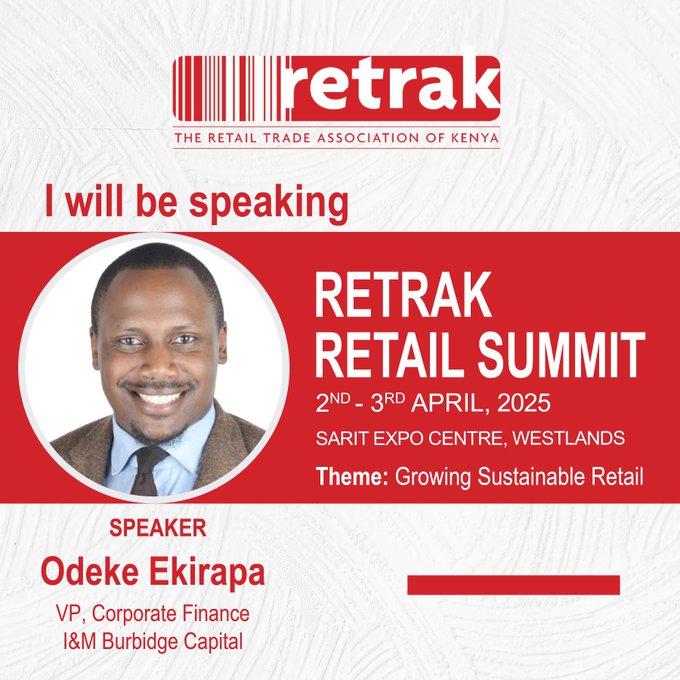
Join us at Retail Summit 2025 for expert strategies on thriving in a dynamic retail environment! Are you ready for the Retail Summit 2025? Meet our speakers for an insightful discussion and gain invaluable knowledge on the future of retail. hashtag#RetailSummit2025

Through Mbarire, RETARK is also appealing to the government to standardise the charges incurred by retailers who transport their items from one county to another.
“We have had over 10 years of devolution, and one of the things we realised is that devolution, even though an excellent thing, the implementation has come with a lot of pinpoints,” added Mbarire.
Why moving products from one county to the other is a challenge
Mbarire regretted that right at the beginning of devolution, RETRAK found out that 47 counties in Kenya were now operating like 47 countries.
“So, moving a product from one county to the other was a very significant challenge at the beginning. It remains a challenge in some counties up to now. So, if the national and county governments can have a conversation that allows them to align policies, it creates predictability. So, when you are going to one county, you already know what the rates will be,” she explained.
RETRAK Chairman Rupen Shah observed that there is a need for retailers to work closely with the government.
“Our operations should go hand in hand by being very proactive within policy-making and understanding the needs of any consumers and how do we ease doing business in Kenya because any final benefit will go to the consumer,” said Shah.

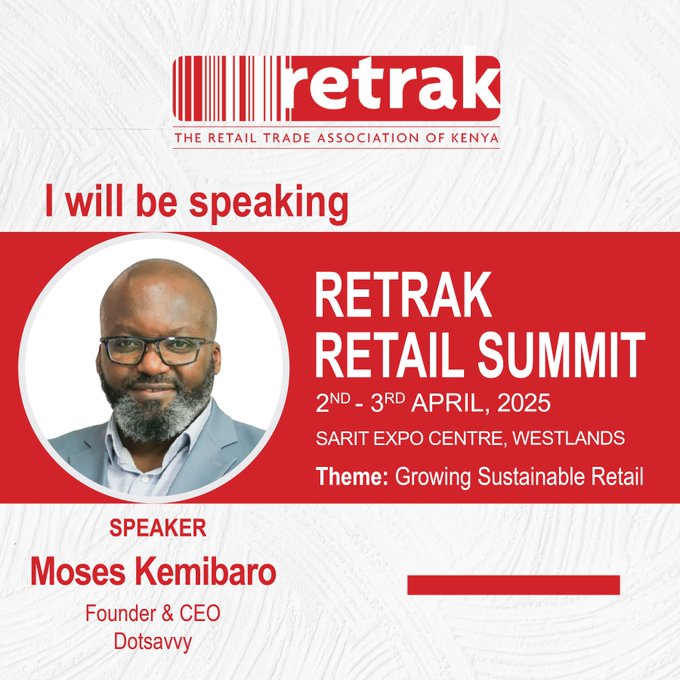
Retail Is Digitally Transformed In Kenya – Are You Ready?I’m excited to be speaking at the Retail Summit 2025 being hosted by the Retail Trade Association of Kenya (RETRAK), happening on 2nd and 3rd April 2025 at the Sarit Expo Centre, Nairobi, where over 300 retailers,
Even as retailers work with the government, Shah believes that the government looks at the bigger policies, and so retailers should look at how they can create their own framework so that they become strong independently.
“We (retailers) need to create an ecosystem and a network within ourselves so that we can grow, differentiate ourselves, and indulge the senses of all consumers to make it a great customer experience,” explained Shah.
What should the government do to help Kenyan retailers flourish
Shah echoed Mbarire’s sentiments while decrying the heavy charges that transporters must pay while moving goods from one county to the other.
“In particular, as we keep on growing and expanding from Nairobi to upcountry, we are being faced with different charges. There are city council charges for different counties, and what I would want is that if the government came together and simplified the licences, create a great level of unification, such that we could get a single business permit that covers everything,” explained Shah.
He said that such a move will help retailers flourish, work better, and work easier so that we ease the cost of doing business in Kenya.
“Additionally, our goods will get to the end customer, who is the true reason why retailers exist,” Shah added.
Join us on the ongoing Retail Summit 2025 happening April 2nd & 3rd, 2025, at Sarit Expo Centre, Nairobi, for a world-class gathering of retail industry leaders, innovators, and decision-makers.Attendance is FREE.

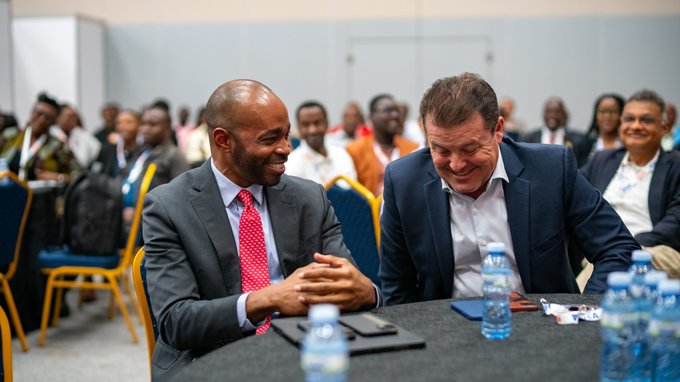
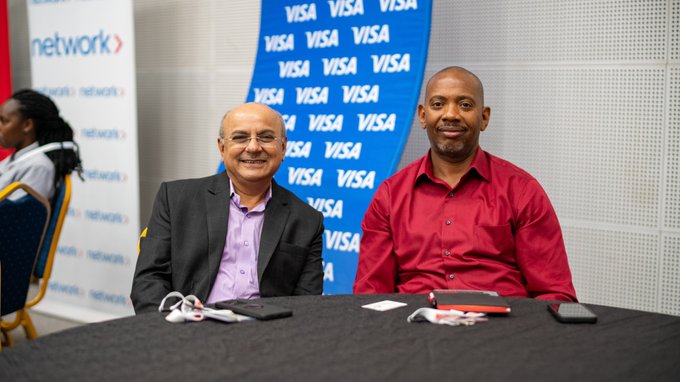
Meanwhile, Mbarire reiterated that she doesn’t think a country can grow stronger in agriculture and manufacturing if it doesn’t have strong retail.
“Retail is the connection between the consumer and the farmer. So, we need to develop a strong retail sector. The only way to do that is by ensuring that we are looking at the cost of doing business,” she said.
Why RETRAK is hosting the first retail summit in Nairobi, Kenya
According to Mbarire, to effectively address these teething problems, some things need to be harmonised.
“For instance, if I am using my truck through various counties, it doesn’t mean that I am advertising, and if I am paying for it, maybe I should pay at the source county and be able to move. So, for us, the greatest cry is the cost of doing business. It will also allow us to help and support local manufacturing more,” Mbarire explained.
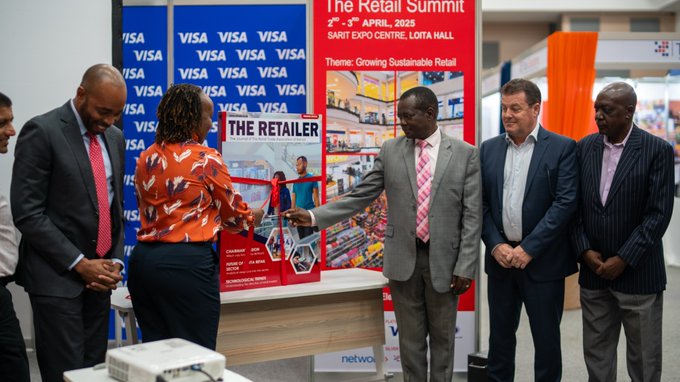
Mbarire and Shah’s remarks come when RETRAK is hosting the first retail summit at the Sarit Expo Centre, Weetslands, Nairobi, which is running from April 2 to April 3, 2025.

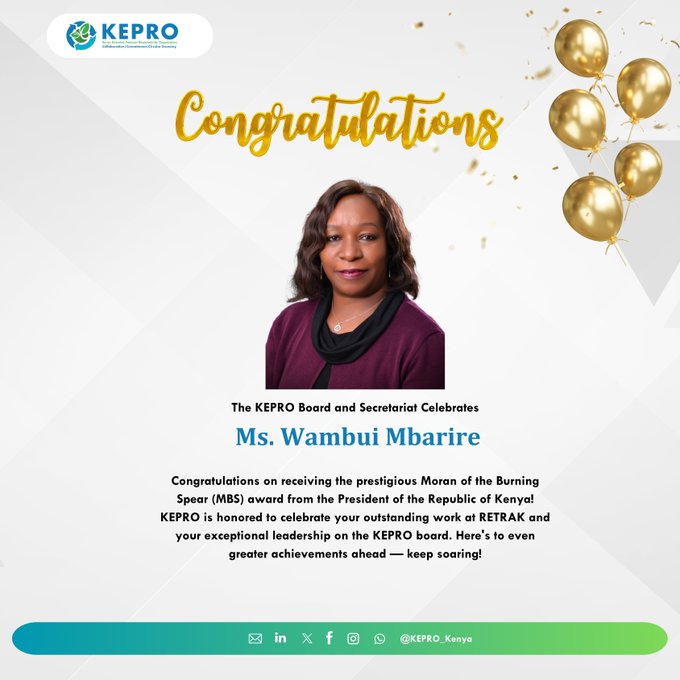
Celebrating our own:The KEPRO Board and Secretariat congratulates Ms. Wambui Wamwiri Mbarire on receiving the prestigious Moran of the Burning Spear (MBS) award from the President of the Republic of Kenya! KEPRO is honored to celebrate your outstanding work at RETRAK and your
Consequently, the summit is exploring the ability to capitalise on digitisation and employ it to boost their business at a time when most Kenyans are now turning to ordering products from the comfort of their homes.
The inaugural summit under the theme “Growing Sustainable Retail” leveraged market leaders in identifying gaps that could enhance the retail business, with the government identifying retail as a key driver towards achieving Vision 2030, accounting for 60% of the economy.
The key thematic areas for the first meeting are the emerging market trends, innovations, challenges shaping the future of retail, digital transformations, customer engagement and business growth.



