



NAIROBI, Kenya- African animal health leaders and development partners have reaffirmed their commitment to eliminating Peste des Petits Ruminants (PPR) from the continent, following the official launch of the Continental PPR Advisory Committee in Nairobi.
Speaking at the launch on behalf of the World Organisation for Animal Health (WOAH) and representing the Eastern Africa region, Dr. Simon Tulu described the new Committee as a critical governance mechanism in Africa’s drive to eradicate the disease by 2030.
Dr. Tulu commended the African Union and its Inter-African Bureau for Animal Resources (AU-IBAR) for convening the meeting and for their leadership in coordinating continental efforts against PPR, a highly contagious viral disease that primarily affects sheep and goats.
“PPR is more than a veterinary challenge,” Dr. Tulu said. “It is a profound threat to livelihoods, food security, and resilience for millions of smallholder farmers and pastoralists across Africa.”
He stressed that PPR’s transboundary nature—spread through animal movements across borders, trade routes, and transhumance systems—means it cannot be eradicated through isolated national efforts. Instead, he emphasized, eradication must be pursued as a shared continental and global public good.

The Continental PPR Advisory Committee is officially launched in Nairobi.Strong political leadership + science + coordination = #PPR eradication by 2030 is achievable.Member States from🇰🇪🇺🇬🇳🇬🇹🇩reaffirmed commitment: Led by AU-IBAR, with European Union support. #OneHealth
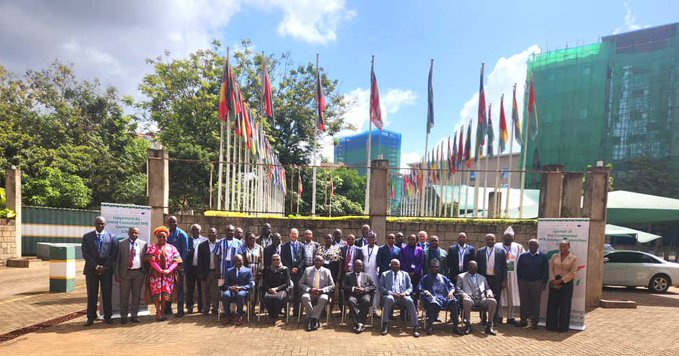
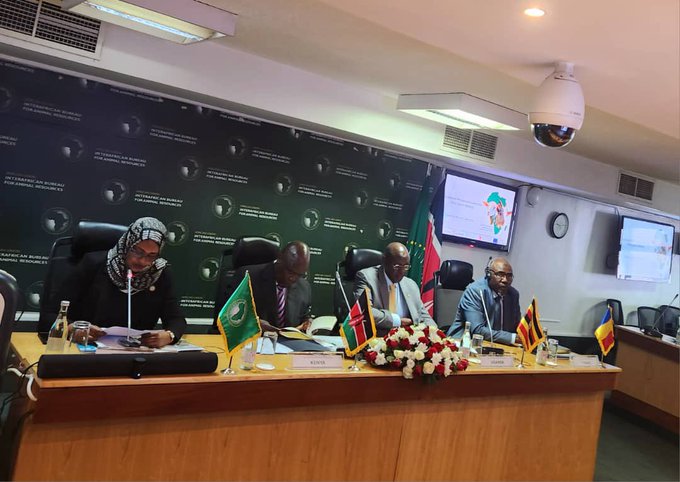
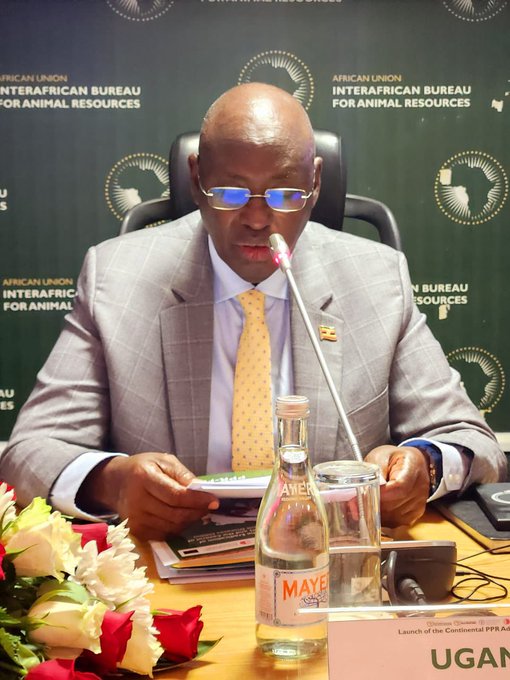
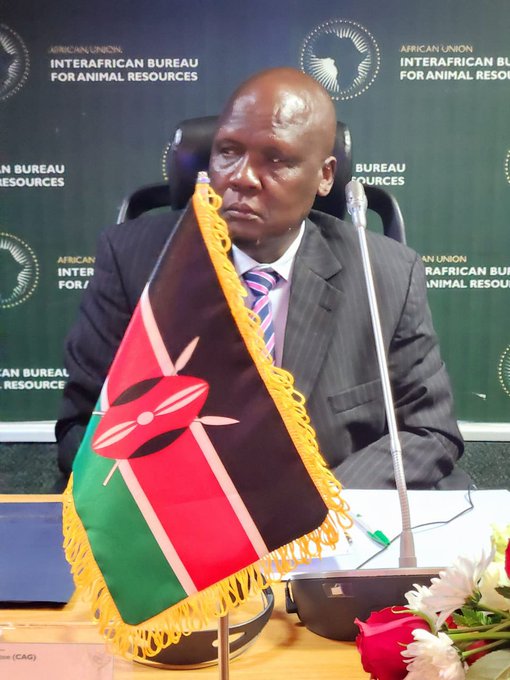
The newly established Continental PPR Advisory Committee is expected to provide political, technical, and strategic guidance to accelerate implementation of the Global PPR Control and Eradication Strategy, which was launched a decade ago with the goal of achieving a PPR-free world by 2030.
According to Dr. Tulu, the Committee will play a vital role in translating continental ambitions into practical, evidence-based action. Its mandate includes ensuring technical excellence, strengthening accountability, bridging science and policy, and identifying implementation bottlenecks early so that corrective measures can be taken collectively.
He highlighted the importance of close collaboration between the new Committee, AU-IBAR, the Food and Agriculture Organization of the United Nations (FAO), and WOAH, noting that alignment across national, regional, and continental levels is essential to address transboundary animal diseases effectively.
On behalf of WOAH, Dr. Tulu reaffirmed the organisation’s full support for the Committee’s work. He outlined WOAH’s contributions, including the provision of international standards, quality assurance for vaccines, support for Performance of Veterinary Services (PVS) assessments, capacity building for national veterinary systems, improved data sharing and transparency, and assistance with resource mobilisation and official recognition of PPR-free status.

Africa Targets 2030 to End Livestock Disease That Keeps Millions Poor ynews.digital/development-ne… @au_ibar
As Africa moves closer to the 2030 deadline, Dr. Tulu acknowledged that challenges remain but expressed optimism that the new Committee provides the necessary political anchoring and technical focus to accelerate progress.
“The road to 2030 is short,” he said, “but with the launch of this Committee, Africa has taken a decisive step toward a PPR-free future.”



