





NAIROBI, Kenya- Kenya has reaffirmed its strong commitment to the eradication of Peste des Petits Ruminants (PPR) in Africa, as leaders and experts from across the continent gathered in Nairobi for the launch of the Continental PPR Advisory Committee.
Speaking at the high-level ministerial session, Kenya’s Cabinet Secretary for Agriculture, Mutahi Kagwe, underscored the importance of collective action against one of the continent’s most damaging transboundary animal diseases.
“PPR continues to affect millions of smallholder farmers and pastoralist communities,” Kagwe said, noting that sheep and goats are critical to household incomes, food security, and resilience, particularly in arid and semi-arid regions.
He emphasized that Kenya fully supports the African Union’s vision and strategic framework for PPR eradication and has aligned this continental agenda with its national PPR control and eradication strategy.
According to the Cabinet Secretary, eliminating PPR is essential not only for animal health, but also for economic development, regional trade, and food security.
As a demonstration of Kenya’s commitment, the Cabinet Secretary announced that the Government of Kenya has pledged both financial and technical support toward PPR eradication activities, including mass vaccination campaigns, enhanced disease surveillance, veterinary capacity building, and community awareness initiatives.
He revealed that Kenya has already committed USD 4.2 million to implement its national PPR control strategy.

The Continental PPR Advisory Committee is officially launched in Nairobi.Strong political leadership + science + coordination = #PPR eradication by 2030 is achievable.Member States from🇰🇪🇺🇬🇳🇬🇹🇩reaffirmed commitment: Led by AU-IBAR, with European Union support. #OneHealth
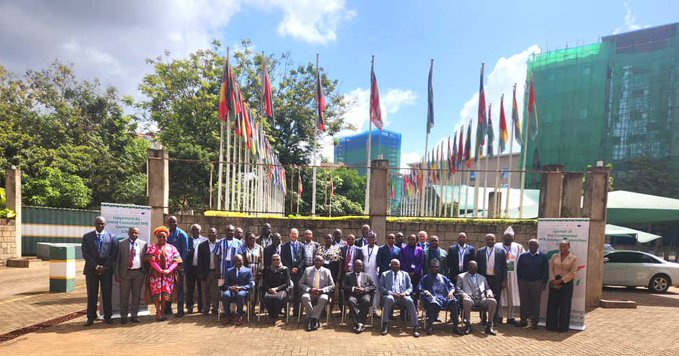
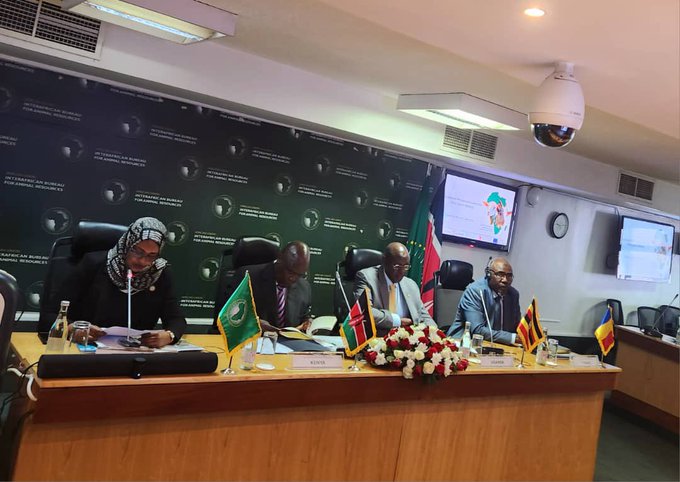
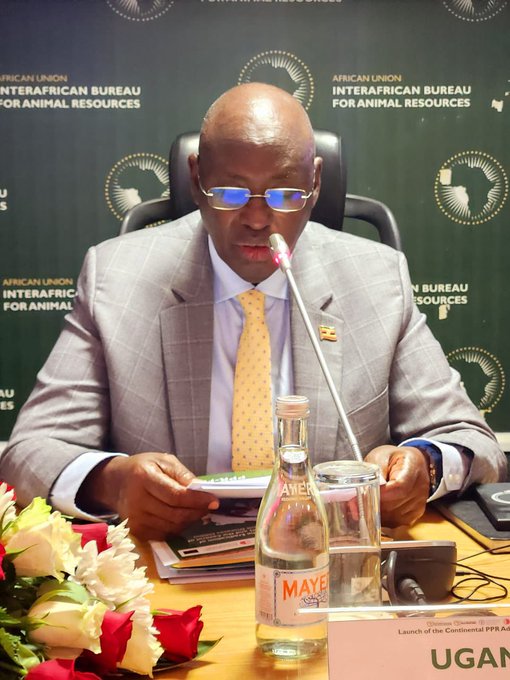
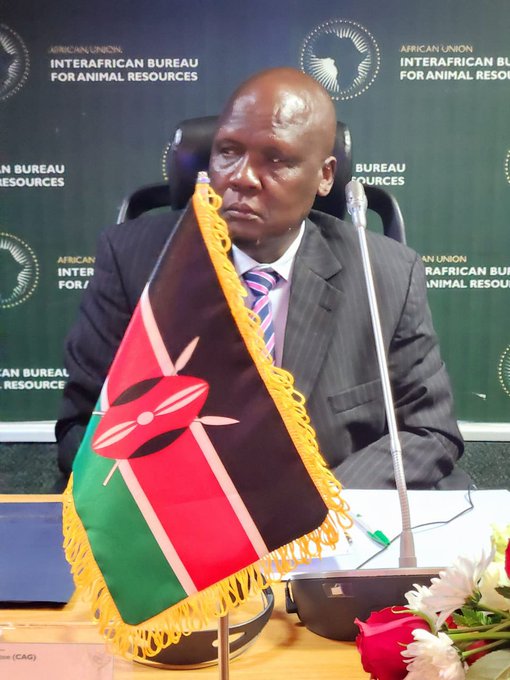
This commitment was further reinforced by a Presidential announcement made during Madaraka Day celebrations on 1 June 2024, declaring that 50 million sheep and goats would be vaccinated against PPR, alongside the vaccination of 22 million cattle against Foot-and-Mouth Disease.
At the continental level, the CS praised the African Union, through the Inter-African Bureau for Animal Resources (AU-IBAR), for providing strong leadership in coordinating PPR eradication efforts.
He noted that the establishment of the Continental PPR Advisory Committee, with support from the European Union and global partners, represents a major milestone in strengthening governance, policy harmonisation, and coordination across national, regional, and continental levels.
The Advisory Committee will bring together Ministers, Chief Veterinary Officers, National PPR Coordinators, regional economic communities, research institutions, universities, laboratories, and civil society organisations to support the implementation of the Pan-African Programme for the Eradication of PPR.

Looking ahead, Kagwe outlined key priorities for the Committee, including the adoption of a results-oriented 2026 Roadmap, strengthening surveillance and laboratory systems, harmonising animal movement and market frameworks, improving traceability, and securing sustainable financing to achieve eradication by 2030.
He asserted that PPR eradication is not only a veterinary objective, but also an economic and social priority for Africa.
A PPR-free continent, he said, would enhance trade, improve livelihoods, strengthen food and nutrition security, and advance the goals of Agenda 2063 and the Livestock Development Strategy for Africa.


