



NAIROBI, Kenya – President William Ruto’s chief economic adviser, David Ndii, has sparked fresh debate on corruption and political reform after arguing that Kenya’s current administration is unlikely to reverse the country’s entrenched graft culture.
In a post on social media, Ndii — the Chairperson of the President’s Council of Economic Advisers — said President Ruto would follow the same trajectory as his predecessors, leaving Kenya “more developed and more corrupt” than he found it.
“Jomo declared war on corruption. Moi declared war on corruption. Kibaki declared war on corruption. Uhuru declared war on corruption,” Ndii wrote. “All left Kenya more developed and more corrupt than they found it. Ruto is not the messiah.”

Jomo declared war on corruption. Moi declared war on corruption Kibaki declared war on corruption Uhuru declared war on corruption All left Kenya more developed and more corrupt than they found it. Ruto is not the messiah. I am not going to suffer fools.
Ndii’s remarks appear to acknowledge the limits of political power in dismantling systemic corruption, even under leaders who publicly commit to fighting graft.
He added that he would not “suffer fools,” a statement widely interpreted as a rejection of what he sees as unrealistic expectations placed on the current administration.
In an earlier post, the outspoken economist went further, questioning whether meaningful reform is possible within a political system that rewards unethical behaviour.
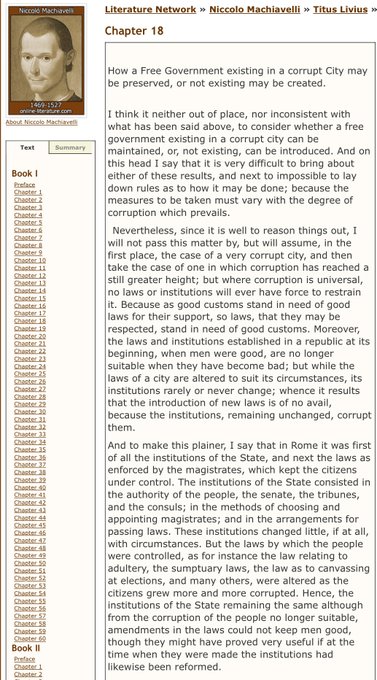
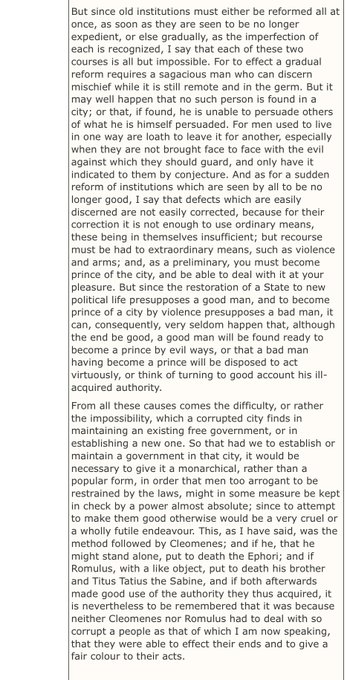
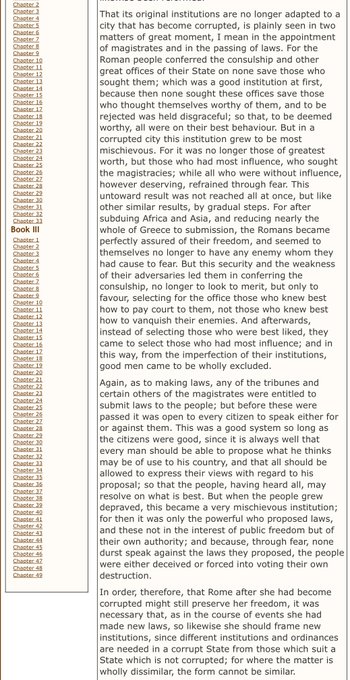
“Reforming a corrupt republic requires good men, but power favours bad men,” Ndii wrote. “A people accustomed to corruption are loathe to give up their decadent ways — the would-be reformer must resort to badness. But good men shrink from badness, be it to acquire power or reform.”
Reforming corrupt republic requires good men, but power favours bad men. Moreover a people accustomed to corruption are loathe to give up their decadent ways—would be reformer must resort to badness. But good men shrink from badness be it to acquire power or reform. Discuss
President Ruto’s administration has repeatedly pledged to tackle graft, positioning accountability as a key pillar of its economic recovery agenda.
However, Ndii’s remarks suggest an internal acknowledgement that corruption in Kenya is not merely a leadership failure but a deeply rooted political and social challenge.
The debate reignites long-standing questions about whether anti-corruption promises by successive governments are genuine reform efforts or recurring political rhetoric.




