



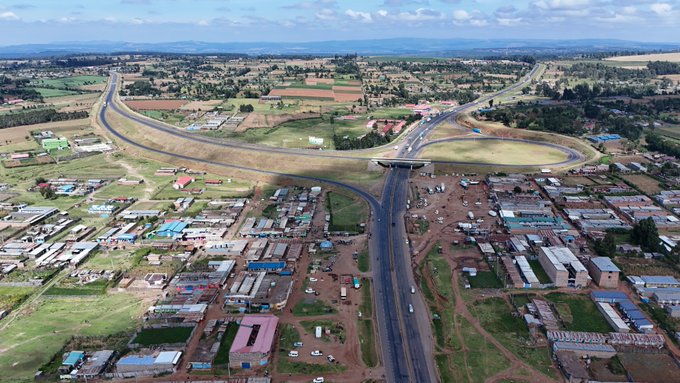
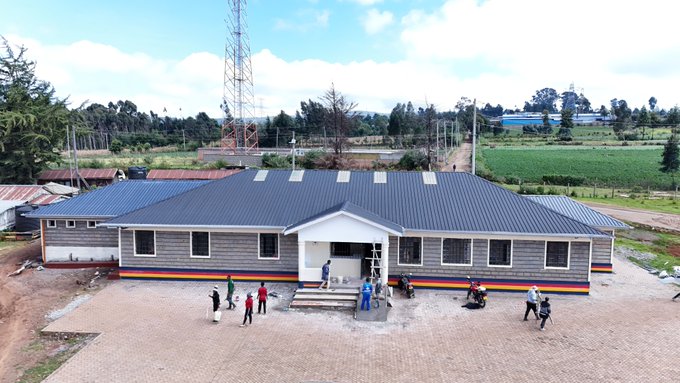
MAU SUMMIT, Kenya – The government has completed a major upgrade of the Mau Summit Police Station as part of broader preparations for the dualling of the Nairobi–Mau Summit highway, a transformative road project launched by President William Ruto last week.
The 175-kilometre corridor — Kenya’s largest road project under a Public-Private Partnership (PPP) model — is expected to become one of the busiest transport routes in the region once expanded.
Anticipating increased traffic volumes, faster transit and rising commercial activity around Mau Summit, authorities have moved to reinforce security infrastructure to support the economic changes ahead.
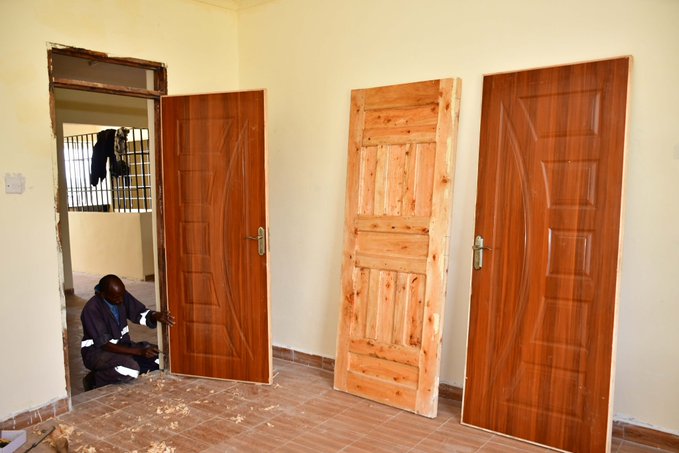
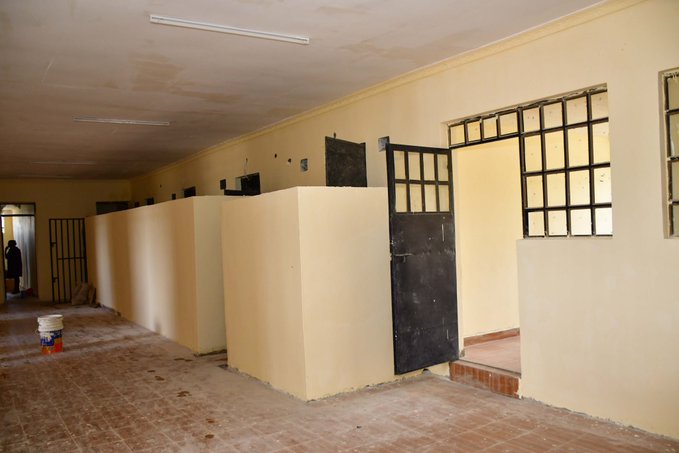
According to Principal Secretary for Internal Security Raymond Omollo, construction of the station’s new main block is complete, with final interior works now underway.
The expanded facility includes additional operational space, modernised offices, improved reporting and holding areas and a layout designed to speed up police response along the busy corridor and within the rapidly growing township.
“This is part of a deliberate government effort to create a predictable, safe operating environment that allows transport, trade and local enterprise to flourish,” Omollo said.

The planned dualling of the 175-kilometre Nairobi–Mau Summit Road, recently launched by H.E. President @WilliamsRuto, is set to transform the route into one of the country’s busiest transport corridors.With higher traffic volumes, faster movement and expanded commercial
Part of a Sh170 Billion PPP Road Expansion
President Ruto on November 28 flagged off the Sh170 billion dual-carriageway project covering the 175km Nairobi–Nakuru–Mau Summit (A8) section and the 58km Nairobi–Maai Mahiu–Naivasha link.
The two highways will be designed, financed, expanded, operated and maintained entirely by private consortia, with government oversight and policy support.
The upgraded roads will feature truck lay-bys, new interchanges, pedestrian bridges, intelligent transport systems and enhanced drainage — improvements expected to cut travel time and reduce accidents on the key regional artery linking Kenya to Uganda, South Sudan, Rwanda, Burundi and the Democratic Republic of Congo.
The project is expected to create at least 15,000 direct jobs, most of them for youth, while prioritising local contractors.




