





NAIROBI, Kenya- The Orange Democratic Movement (ODM), long anchored by the leadership of Raila Odinga, has entered a period of visible internal debate and public disagreement over its future direction, sparking concerns about cohesion ahead of the 2027 general elections.
Following Odinga’s death on 15 October 2025, the party’s National Executive Committee appointed his elder brother, Oburu Oginga, as acting party leader.
Oburu was formally endorsed by the ODM National Governing Council in Mombasa, a move confirmed by national leaders within the party.
Oburu has repeatedly stressed that ODM remains unified and that there is “no vacuum” in the party’s leadership despite the emotional toll of recent losses, including the passing of another family member.
He has urged members to reject divisive narratives and focus on unity under his leadership.
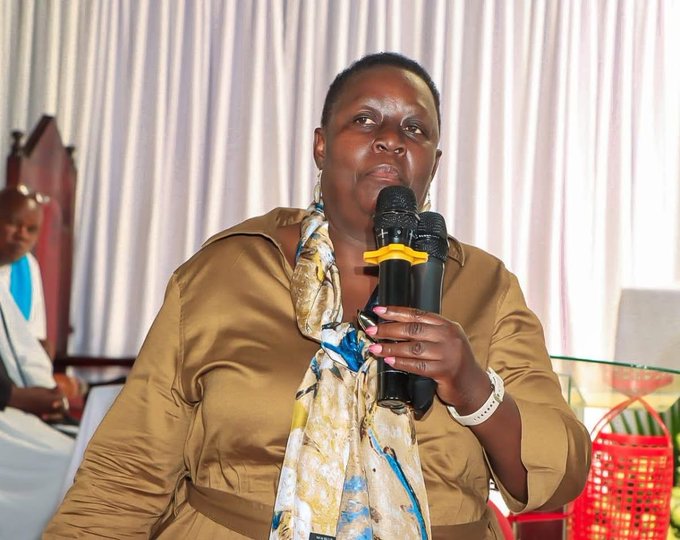
“ODM is a strong party and we must re main so. All negotiations so far have been done with our strength and unity. We cannot sell our party,” Kisumu Woman Represenative Ruth Odinga said.
She is a sister to the ODM party leader and has expressed interest in flying its flag in 2027.

ODM is a strong party and we must remain so!!!! All negotiations so far have been done with our strength and unity. We cannot sell our party- Ruth Odinga.
However, public statements from other senior leaders illustrate differing emphases on how “unity” should be defined and pursued.
Edwin Sifuna, ODM’s Secretary‑General, has taken a prominent public role in articulating the party’s official stance, particularly its continued participation in the broad‑based government formed with President William Ruto earlier in 2025.
After Raila’s death, Sifuna pledged to keep ODM together and urged party leaders to listen to grassroots members rather than engage in factional politics.

These jokes by ODM to discredit Edwin Sifuna and Babu Owino are unacceptable. We shall abandon ODM and join the United Opposition. There is no room for bullying in our great party.
He has also acknowledged past disagreements over policy direction — including his previous threat to quit the party if it backed Ruto’s 2027 bid — but has since adopted language stressing discipline and collective reflection.
Oburu has publicly reiterated his support for Sifuna’s role within the party.
In a statement affirming Sifuna’s position, Oburu described Sifuna’s views as reflective of ODM’s official policy during the post‑Raila transition and in preparations for 2027.
Despite this public endorsement, tensions have surfaced over perceived challenges to Oburu’s authority.
Kasmuel McOure, a political activist aligned with ODM’s leadership,has issued a warning to Sifuna, accusing him of undermining Oburu’s leadership through his actions and commentary.
McOure called on party members to reaffirm loyalty to Oburu and suggested that critics of the leader could face removal at future party conventions if they do not align with central leadership directives.
Additionally, debates within the party reflect broader fractiousness over identity and strategy.
Oketch Salah brands ODM Secretary General Edwin Sifuna a traitor, alleging he is sabotaging the party’s foundation.


ODM Deputy party leader Abdulswamad Nassir has been vocal about ODM’s position, declaring that the party should aim to be “in government or be the government” in 2027, implying a proactive posture in national politics rather than a strictly oppositional one.
Amid the discussions over leadership and direction, ODM has formally declared that it will remain part of the broad‑based government with the ruling coalition until 2027, signaling a commitment to the existing cooperation framework.
Analysts have warned that without clear, widely accepted leadership and succession planning, the party’s cohesion could be strained further as the election cycle intensifies.


