NAIROBI, Kenya- Citizen journalism and mobile footage have exposed chilling details about the events of June 25, 2024, when Kenyan security forces opened fire on peaceful anti-tax protesters outside parliament.
A meticulous investigation by BBC Africa Eye, relying on over 5,000 images and videos captured by protesters and journalists, has revealed that those killed were unarmed and posed no threat when they were shot dead.
According to the BBC, the constitutional right to peaceful protest, enshrined in Kenya’s laws, was brutally violated.
Despite promises of accountability — including a parliamentary directive to the Independent Policing Oversight Authority (IPOA) to investigate and make findings public — no report has been released, and no officer has been held responsible.
The protests, largely mobilized by Kenya’s Gen Z through social media, began as a vibrant demonstration with music, flags, and signs.
Protesters had successfully forced MPs to scrap several unpopular tax proposals days earlier, but tensions remained high as the government pressed ahead with others aimed at raising $2.7 billion.
By mid-morning on June 25, thousands flooded Nairobi’s streets, pushing toward Parliament Road.
The protest swelled to over 100,000 people. Tear gas, rubber bullets, and water cannons initially held the crowds back, but by 2:20 PM, demonstrators breached police barricades and advanced onto parliamentary grounds.

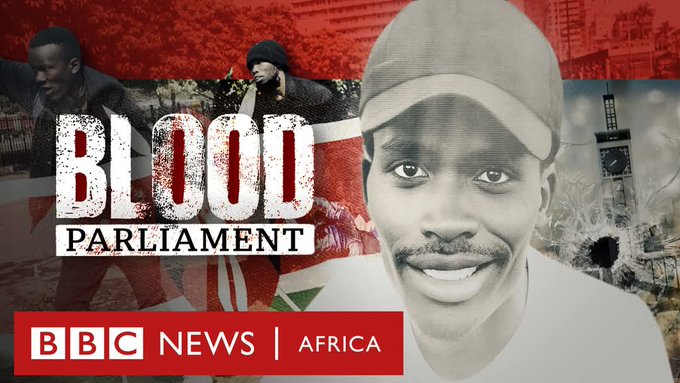
‘Blood Parliament’: BBC Exposes the Horror of Kenya’s June 25 Protest Killings ynews.digital/headline-2/blo…
In the chaos that followed, footage captured by citizen journalists became crucial.
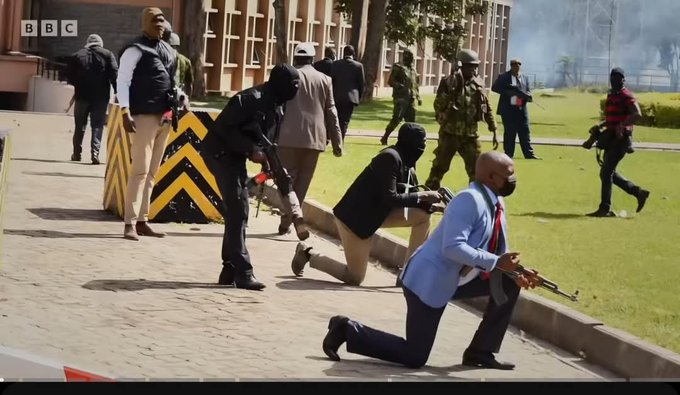
The BBC reported that one plain-clothes officer was caught on video shouting “uaa!” — Swahili for “kill” — moments before gunshots rang out and protesters collapsed.
Analysis identified a police officer and a soldier as being responsible for some of the fatal shootings.
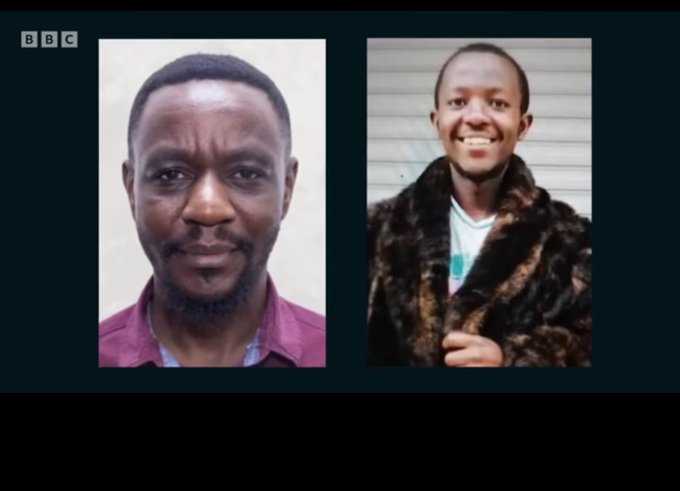
Two victims, David Chege, a 39-year-old software engineer and Sunday-school teacher, and Ericsson Mutisya, a 25-year-old butcher, were killed outside the parliamentary gates. Neither was armed, according to BBC findings.
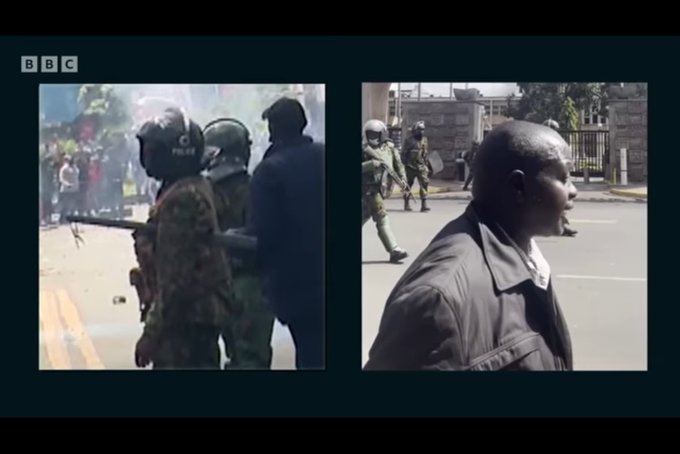
The footage further revealed that the officer who fired into the crowd had distinct body armor and an upturned neck guard, enabling investigators to track his movements.
Although the shooter’s name remains unknown, the plain-clothes officer inciting the violence was identified as John Kaboi, reportedly stationed at Central Nairobi Police Station. Kaboi did not respond to BBC’s request for comment.
Tragically, the bloodshed only galvanized the protesters. They re-entered parliament grounds at 2:57 PM.
While initially peaceful — many protesters holding their hands up or carrying flags — the situation spiraled into mayhem, with parts of the complex damaged and fires set. Most protesters left within minutes.
As they retreated, fresh gunfire erupted at 3:04 PM. A finance student, Eric Shieni, was shot dead with a bullet to the back of his head as he tried to flee. BBC Africa Eye’s forensic analysis linked the fatal shot to a soldier positioned about 25 meters away. Again, Shieni was unarmed.
“The aim was to kill those protesters,” said Faith Odhiambo, president of the Law Society of Kenya, speaking to the BBC. “They could have had him arrested. But the fact that you shoot his head — it was clearly an intention to kill.”
The Kenya Defence Forces (KDF) told the BBC that IPOA had not formally requested any investigation into its personnel’s actions that day.
Meanwhile, Kenya’s police service maintained that IPOA, not the police itself, was responsible for investigating misconduct.
Throughout the chaos, young citizen journalists like 26-year-old Ademba Allans, who livestreamed events on TikTok and Instagram, played a critical role in documenting the violence.
Footage showed Allans attempting to aid the wounded, carrying victims to safety even as he feared for his life.
“I feared for my life, that my parents would never see me again,” he told the BBC. “But I also feared to let other people die when I could help.”
The BBC’s investigation shows how, in an era where anyone with a smartphone can become a witness to history, citizen footage can pierce through official narratives — forcing uncomfortable truths into the spotlight.

The BBC Africa Eye has unveiled a gripping documentary titled “Blood Parliament,” shedding light on the tragic events of the June 25, 2024, protests against the Kenya Finance Bill 2024.The film reveals shocking details about the brutal crackdown, where Gen Z activists boldly