



NAIROBI, Kenya – Six years after a harrowing hyena attack at Tsavo National Park, Irene Wambua Mbithe is finally getting a second chance—thanks to a life-changing surgery and a surprising ally.
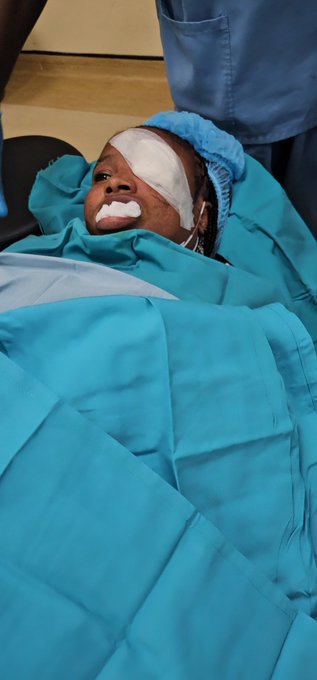
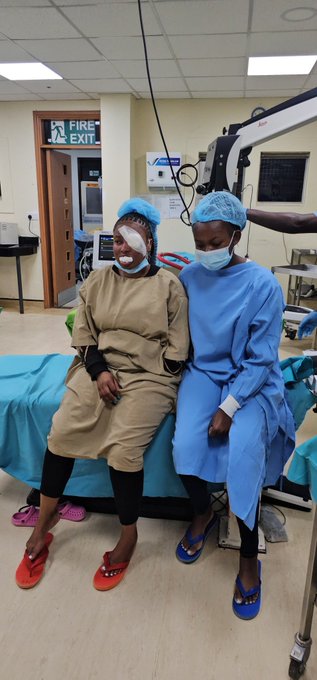
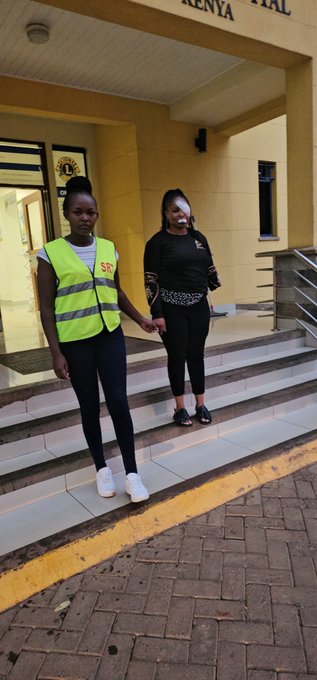
The Machakos County native, whose story recently aired on Citizen TV’s Shajara na Lulu Hassan episode, has successfully undergone the first stage of an artificial eye transplant at Lions’ Firstsight Eye Hospital.
This marks a pivotal step in her recovery journey, following years of physical and emotional trauma.
And in a twist that feels more cinematic than real life, former Nairobi Governor Mike Sonko has stepped in—not just with promises, but with tangible support.

Hyena Attack SurvivorIrene Mbithe, the woman who lost her eye in a hyena attack, has undergone prosthetic eye surgery after receiving assistance from Sonko.
The First Step in a Long Road
On Friday morning, Sonko announced via X (formerly Twitter) that Wambua’s initial eye surgery had gone well. “She will be reviewed today.
We wish her a quick recovery,” he shared.
The artificial eye transplant is not just a cosmetic fix. For Wambua, it’s a symbol of reclaiming a part of her identity lost in the brutal attack—a moment she’s waited over half a decade to experience.
A Journey Marked by Trauma—and Strength
Wambua was just 19 when she embarked on what she thought was a promising job opportunity in Tsavo.
Instead, it turned into a nightmare. After being turned away for lacking an ID, she accepted a ride from truck drivers to make her way back home.
When she rejected the driver’s sexual advances, she was thrown out of the lorry—straight into a deadly encounter with a hyena.
The animal mauled her, plucking out her right eye and injuring her arm. Screams pierced the night, and a good Samaritan rushed to alert authorities.
Police officers eventually rescued her, taking her to Makindu Hospital. But even after the physical wounds began to heal, the scars—both visible and unseen—lingered.
Fighting for Justice and Healing
Despite the years that have passed, Wambua is still seeking compensation from the Kenya Wildlife Service (KWS), a battle she’s not fighting alone anymore.
Sonko revealed that a team of seasoned lawyers is now preparing to pursue the case, also working with detectives from the Directorate of Criminal Investigations (DCI) to investigate those who contributed to her suffering.
“We’re ensuring all the culprits are brought to book,” Sonko said. It’s a statement that adds legal momentum to what’s already a story of resilience and community support.
Wambua’s story isn’t just a cautionary tale—it’s a testament to survival, strength, and the power of visibility. What began as a heartbreaking account on national television is now evolving into a campaign for justice and restoration.




