



NAIROBI, Kenya – President William Ruto has paid tribute to the late Ngũgĩ wa Thiong’o, describing the revered writer and public intellectual as a “towering giant of Kenyan letters” following news of his death at the age of 87.
Ngũgĩ, whose trailblazing literary and political career spanned over six decades, died on Wednesday, his family confirmed.
The cause of death was not disclosed, but a family spokesperson, Nducu wa Ngugi, said memorial and tribute details would be announced in due course.
In a statement, President Ruto lauded Ngũgĩ’s lifelong commitment to truth, justice, and African self-determination.
“Always courageous, he made an indelible impact on how we think about our independence, social justice, as well as the uses and abuses of political and economic power,” said Ruto.”Even those who disagreed with him will admit that Prof Thiong’o’s discourse always sprang forth from a deep and earnest quest for truth and understanding, devoid of malice, hatred or contempt.”

I have learnt with sadness about the death of Kenya’s beloved teacher, writer, playwright, and public intellectual, Prof Ngugi wa Thiong’o. The towering giant of Kenyan letters has put down his pen for the final time.Always courageous, he made an indelible impact on how we
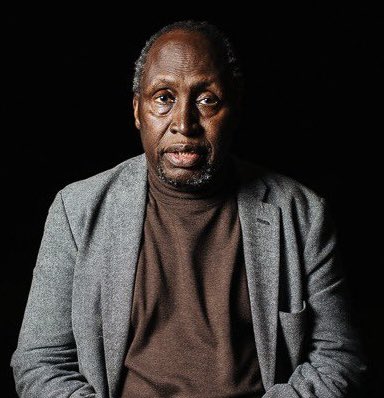
Ngũgĩ wa Thiong’o was more than a writer—he was a teacher, playwright, and one of Africa’s most vocal critics of neocolonialism and cultural imperialism.
His decision to abandon English in favour of writing in his native Gikuyu was both political and revolutionary, inspiring generations of African writers to reclaim indigenous languages as vessels of intellectual and artistic expression.
Born in 1938 in Kamiriithu, central Kenya, Ngũgĩ rose to prominence with novels like Weep Not, Child and Petals of Blood, books that examined the scars of colonialism and the failures of post-independence leadership.
He was imprisoned without trial in 1977 after staging a politically charged play, Ngaahika Ndeenda (I Will Marry When I Want), performed in Gikuyu and co-authored with Ngugi wa Mirii.
His incarceration marked a turning point—after his release, he went into exile, becoming a global voice for freedom of expression and the decolonisation of the mind.
Despite never winning the Nobel Prize for Literature, a cause of deep national longing, Ngũgĩ remained a perennial contender whose work left an indelible legacy on global literature.
As Ruto noted, “Many Kenyans cannot remember a time when we were not united in the hope that Prof Thiong’o would finally receive the Nobel Prize… he will always remain the champion of literary emancipation and innovation in our hearts and minds.”
Ngũgĩ’s legacy transcends awards. His writings, from novels to essays and memoirs, shaped generations of thinkers across the continent and diaspora, challenging readers to reconsider identity, power, and the role of language in liberation.
He is survived by his children and grandchildren. Tributes continue to pour in from around the world, a testament to a life lived in fearless pursuit of truth and artistic integrity.




