



NAIROBI, Kenya – Kenya has hosted a high-level roundtable conference on Advancing Community Corrections in Africa, aiming to promote alternatives to incarceration and address the continent’s growing prison congestion crisis.
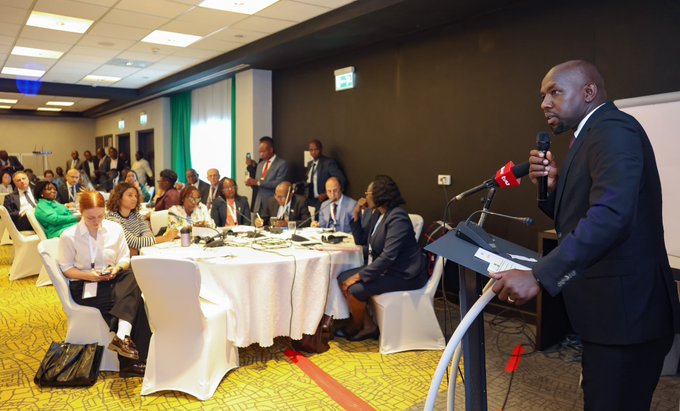
The conference, held on February 24, brought together justice sector leaders, policymakers, and international experts, including representatives from the United Nations Office on Drugs and Crime (UNODC), Penal Reform International, and probation services from across Africa.
Interior Cabinet Secretary Kipchumba Murkomen highlighted the urgent need for humane, effective, and rehabilitative justice systems, noting that Kenya’s 135 prisons house over 60,000 inmates, many of whom are held in pre-trial detention.
He described community corrections as a “central pillar of justice delivery” and stressed that alternatives such as diversion programs, community service, mediation, and structured reintegration reduce recidivism while protecting public safety.

We have made significant strides in embracing progressive and humane approaches to justice.A notable proportion of offenders are managed through community supervision rather than incarceration, enhancing accountability, restoring communities, and supporting lasting


The roundtable produced several key outcomes and recommendations:
- Scaling up community-based alternatives: Participants agreed on expanding probation, parole, and diversion programs to reduce reliance on custodial sentences.
- Strengthening legal and policy frameworks: Governments were urged to empower courts to impose proportionate and rehabilitative sanctions, with imprisonment as a last resort.
- Capacity building: The conference emphasized training and equipping community corrections officers with modern tools, including digital case management systems and data analytics.
- Evidence-based policymaking: Delegates recommended improving research, monitoring, and inter-agency collaboration to ensure policies are informed by data and best practices.
- Regional knowledge sharing: African countries committed to sharing replicable models of restorative justice and community reintegration, with a focus on reducing congestion while upholding human rights.
CS Murkomen said Kenya’s experience supervising over 61,000 offenders in the community demonstrates that well-structured programs can achieve high compliance rates and successful reintegration, while saving resources and easing prison overcrowding.
The conference concluded with a call for sustained political will, resource mobilization, and multi-agency cooperation to implement the agreed recommendations, aiming to transform criminal justice systems across Africa.


