



GARISSA, Kenya — Schools have reopened across the country, but in Hifow village in Garissa County, classrooms remain eerily empty as a worsening drought drives families away in search of water and pasture.
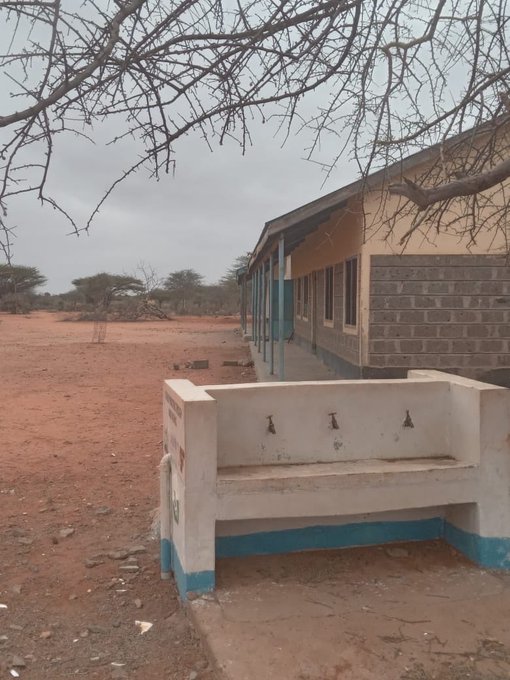
At Hifow Primary School, water tanks are dry and corridors stand silent. More than 120 children who relied on the school not only for education but also for daily meals and a safe learning environment are now out of class because their families have migrated with livestock to find basic necessities.
According to a post by the Kenya Red Cross Society, the prolonged absence of rain and severe water shortages in parts of northern Kenya have disrupted education, livelihoods and access to essential services.
Pastoralist families, who make up a large share of the region’s population, are increasingly forced to leave their homes in search of grazing land and drinking water.
“Over 120 children who relied on the school for daily meals and safety are now out of class,” the Kenya Red Cross said, stressing the worsening humanitarian impacts of the failed short rains.

Schools have reopened but in Hifow village in Garissa, drought has kept the classrooms empty.With water tanks dry and families migrating in search of pasture and water, Hifow Primary School stands silent.Over 120 children who relied on the school for daily meals and safety



A Wider Crisis in Arid and Semi-Arid Lands
Hifow’s plight reflects a broader crisis unfolding across Kenya’s Arid and Semi-Arid Lands (ASALs) after the October–December short rains failed to perform, leaving water sources depleted and pasturelands barren.
Government assessments estimate that 2.1 million people in around 32 counties are currently facing heightened food insecurity, with water shortages threatening both people and livestock.
Local leaders and MPs from North Eastern Kenya have raised alarm over the crisis, urging national authorities to declare a drought emergency and upscale relief efforts.
Some county officials say the situation now exceeds the capacity of county governments to respond effectively without broader support.
Humanitarian Response on the Ground
The Kenya Red Cross has deployed teams to affected areas, including Hifow, to deliver urgent assistance such as food, water and health support.
The Kenya Red Cross is also involved in longer-term drought responses in Garissa and neighbouring arid counties, collaborating with international partners to reach vulnerable households with food and multipurpose cash assistance, safe water, and other basic services.
In addition to immediate relief, humanitarian organisations, including international partners like the European Union, have pledged emergency aid to help cushion drought-affected Kenyans, supporting efforts by the Red Cross to deliver essentials such as water, health care and food assistance.
Education and Nutrition Impacts
The absence of regular school meals, which many children in ASAL regions rely on for nutrition, is contributing to rising school absenteeism and dropout risks.
Teacher unions in the region have repeatedly called for urgent funding for capitation and school-feeding programmes, warning that without such support, many learners may remain out of school.
The drought has intensified competition for already scarce resources, heightening tensions within pastoral communities and increasing vulnerability to malnutrition, disease and displacement.
Experts warn that without sustained rains and expanded humanitarian support, the situation could deteriorate further, threatening the wellbeing of children and families across northern Kenya.


