




MOMBASA, Kenya – Kenya’s efforts to prosecute maritime crimes face significant challenges, including jurisdictional gaps, weak legal frameworks and poor handling of evidence, prosecutors have told a United Nations forum in Mombasa.
Prosecutors from the Office of the Director of Public Prosecutions (ODPP) said the challenges continue to undermine investigations and prosecutions of crimes committed at sea and along the country’s maritime routes.
The concerns were raised during a week-long multinational maritime crime prevention training sponsored by the United Nations Office on Drugs and Crime (UNODC) in Mombasa.
The Kenyan delegation was led by Assistant Director of Public Prosecutions Tito Wanga and included Prosecution Counsel Joseck Abwajo, Mercy Muema, Wycliffe Omwenga, Principal Prosecution Counsel Monica Mburu, Amran Ibrahim Rashid and Idris Tomnu.
Jurisdiction gaps complicate maritime prosecutions
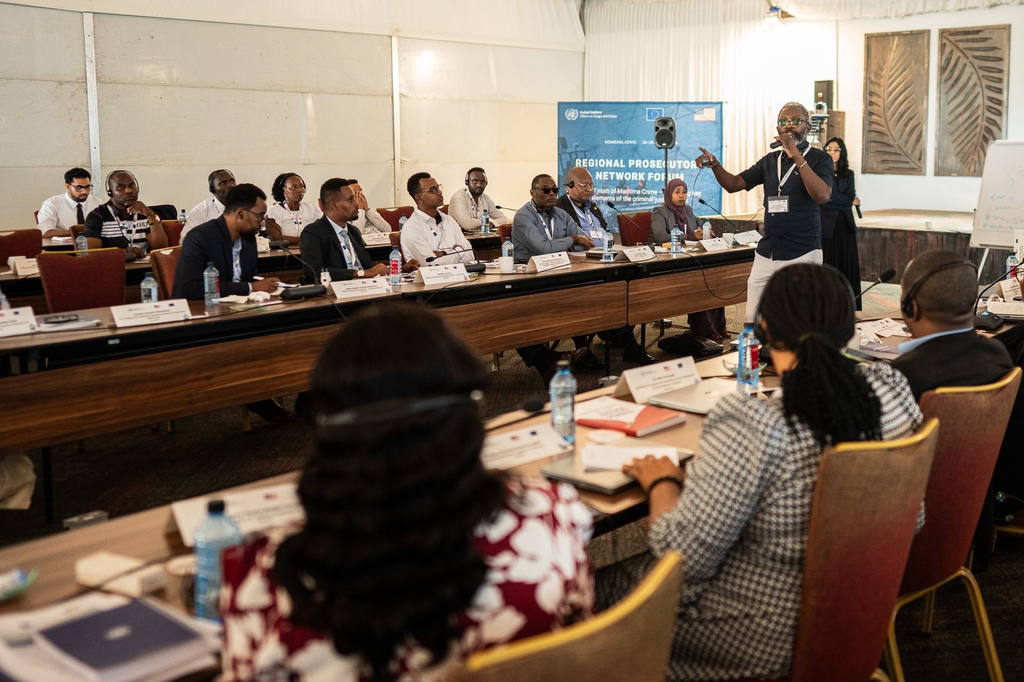
The prosecutors made the presentation during the Prosecutors’ Network Forum 2026, held from August 24 to 28 under the theme, “Legal Finish of Maritime Crime—Reviewing Key Elements of the Criminal Justice Chain.”
The forum is being held under the UNODC Global Maritime Crime Programme (GMCP), which seeks to strengthen the ability of countries around the Indian Ocean to prevent, investigate and prosecute maritime crimes.
Kenyan prosecutors identified gaps in the legal framework governing jurisdiction as one of the major obstacles to effective prosecution.
They also pointed to difficulties associated with boarding vessels, conducting searches and seizures at sea, and collecting and preserving exhibits.
Other challenges include limited prosecutorial expertise and investigative skills in specialised maritime cases, highlighting the need for more targeted training for justice-sector officials.

Indian Ocean routes vulnerable to crime
According to UNODC, criminal networks exploit Indian Ocean maritime routes and porous borders to carry out activities across multiple jurisdictions.
The agency said offenders take advantage of limitations in national jurisdiction, weak enforcement mechanisms and insufficient regional cooperation between neighbouring states.
Crimes linked to the maritime environment include drug and weapons smuggling, human trafficking, slavery, kidnapping, piracy and armed robbery at sea.
Other offences include wildlife trafficking, migrant smuggling and illegal, unreported and unregulated (IUU) fishing.
“These crimes remain undetected, investigations do not lead to prosecutions, and more often than not, prosecutions do not culminate into convictions,” UNODC said in its concept note.
The agency said the problem can continue even after successful prosecutions because some countries lack agreements allowing convicted foreign nationals to be transferred to their countries of origin to complete their sentences.
UN forum focuses on strengthening criminal justice chain
The Mombasa forum is bringing together justice-sector actors to examine how maritime crimes can move from investigation to successful prosecution and conviction.
UNODC and GMCP experts Pooja Bissoonauthsing, Giuseppe Sernia and Mostafa Elbanna are facilitating the training.
Participants are being taken through issues including applicable jurisdiction, judicial cooperation, Mutual Legal Assistance, intelligence-led investigations and evidence gathering.
UNODC noted that participating countries operate under different legal traditions, including civil law, common law and hybrid systems, but face many of the same challenges.
One of the key concerns is the absence of specific legislation creating offences that can effectively be prosecuted in some jurisdictions.
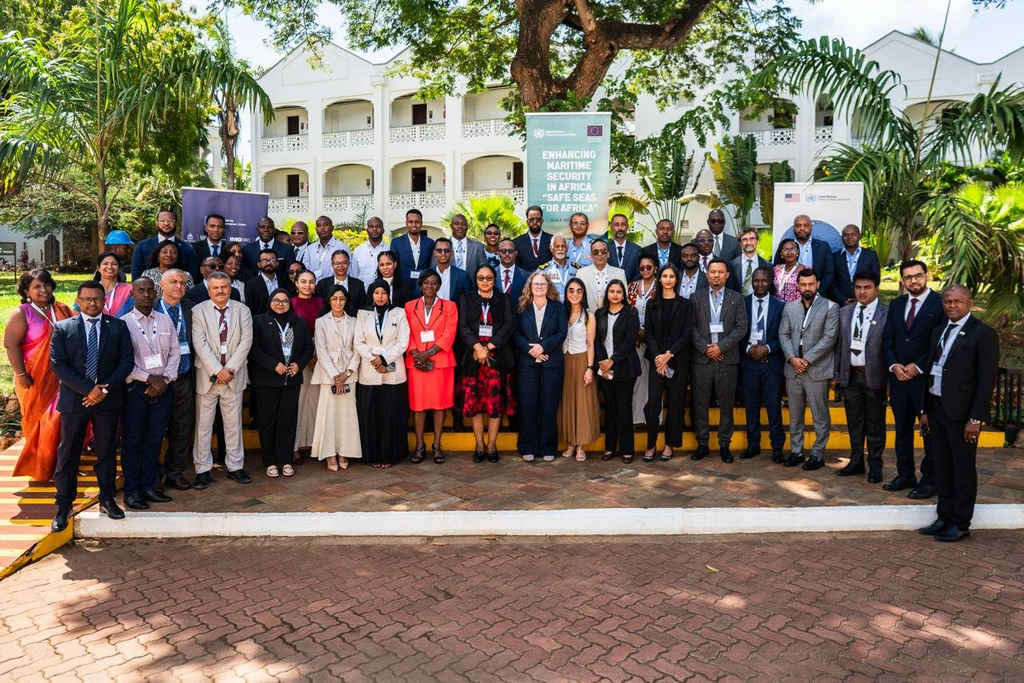
Regional cooperation critical
The UNODC Global Maritime Crime Programme seeks to strengthen national and regional capacity to prevent and combat maritime crime while improving cooperation between states.
The programme supports Indian Ocean countries in enforcing international and national legal frameworks governing maritime security and criminal activity.
UNODC said international support, including assistance from the United States, has helped countries strengthen their ability to address maritime crimes and secure important shipping routes.
EU-funded initiatives have also identified emerging challenges requiring greater attention as criminal networks adapt to changing conditions across the region.
For Kenya, prosecutors say strengthening the legal framework, improving evidence handling and expanding specialised expertise will be essential to ensuring that maritime investigations result in successful prosecutions.
UNODC emphasised that achieving a “legal finish”—where maritime crimes are effectively investigated, prosecuted and brought to conclusion—depends heavily on cooperation, collaboration and coordination among all actors in the criminal justice chain.


