


NAIROBI, Kenya — Sports Cabinet Secretary Salim Mvurya has confirmed that Kenya has settled its Africa Cup of Nations (AFCON) 2027 hosting fee, days after the Confederation of African Football flagged gaps in the country’s proposed venues.
In a statement issued Tuesday, Mvurya said the government had remitted USD 30 million (about Sh3.9 billion) to the Confederation of African Football, fulfilling Kenya’s financial obligation as a co-host.
“I am pleased to announce that the Government of Kenya has fully met its financial and institutional obligations to the Confederation of African Football (CAF) as we move steadily towards co-hosting the 2027 Africa Cup of Nations (AFCON),” he said.
“In line with our commitments, the Government has remitted the required USD 30 million hosting fee to CAF, reaffirming Kenya’s credibility, preparedness, and steadfast commitment to delivering a successful continental tournament,” Mvurya added.
Kenya had been the only co-host yet to remit the required fee, raising concerns about potential delays in preparations for the tournament, which will be jointly hosted with Uganda and Tanzania.
However, a recent CAF inspection report revealed that none of Kenya’s proposed venues currently meet Category 4 standards required to host matches for the continental tournament. The facilities assessed included Moi International Sports Centre, Kasarani, Nyayo National Stadium, and the proposed Talanta Stadium.
CAF said Kenya’s infrastructure programme remains at different stages of construction, upgrades, and operational redesign, with significant gaps across key areas.
“While Kenya benefits from a strong metropolitan environment in Nairobi, the delivery programme remains exposed due to the scale of structural upgrades required, dependency on new construction, and uneven readiness of training infrastructure,” the report noted.
The continental football body recommended final validation of spectator circulation and segregation plans, confirmation of the Venue Operations Centre location, and integration of zones for teams, officials, and media.
It also cited the need for installation and coordination of key systems such as lighting, backup power, and safety infrastructure.
Nyayo Stadium, in particular, was flagged for its ageing infrastructure, with CAF recommending it be considered primarily as a training venue unless major renovations are undertaken.
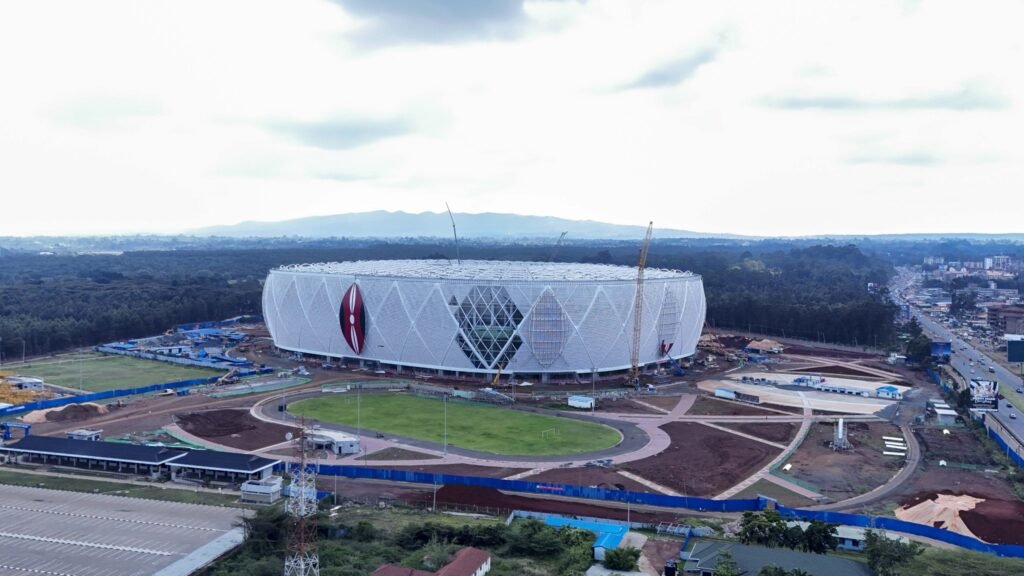
In response, Mvurya said the government would accelerate implementation of infrastructure and operational requirements, including upgrading match venues, training facilities, transport and logistics systems, and safety and broadcast standards.
He added that a restructured multi-agency Local Organising Committee had been established, bringing together public and private sector players to oversee preparations.
Officials from Kenya, Uganda and Tanzania are expected to meet in April to develop a harmonised framework covering visa facilitation, tax exemptions, customs clearance and movement of goods and services, aimed at ensuring smooth delivery of the tournament.

