




NAIROBI, Kenya – Democrats have secured an early breakthrough in the 2026 US midterm elections after flipping a Republican-held Senate seat in North Carolina, while incumbent Senator Jon Ossoff retained his seat in Georgia.
Former North Carolina governor Roy Cooper defeated Republican Michael Whatley in the race for the state’s open Senate seat, marking a significant early gain for Democrats as they seek to wrest control of Congress from President Donald Trump’s Republican Party.
The Associated Press and major US media networks projected Cooper as the winner after Republican Senator Thom Tillis opted not to seek re-election. Whatley, a former chair of the Republican National Committee, had received Trump’s endorsement.
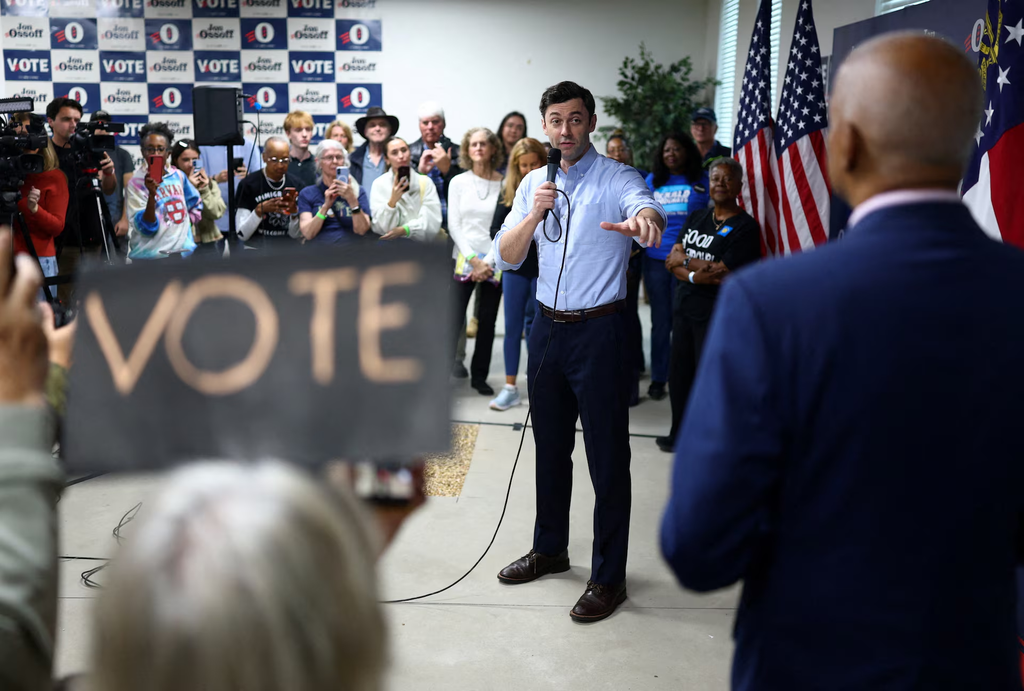
In Georgia, Democratic Senator Jon Ossoff won re-election, defeating Republican Congressman Mike Collins and retaining a seat that Republicans had hoped to capture.
Ossoff’s victory was widely anticipated, but the outcome denied Republicans an opportunity to make a gain in a state Trump carried in the 2024 presidential election.
Democrats also secured an important Senate victory in New Hampshire, where Congressman Chris Pappas won the open seat.
The early results have given Democrats momentum, although the battle for control of both chambers of Congress remains unresolved as votes continue to be counted across the country.
What Democrats Need to Take Congress
Republicans entered the elections controlling both the House of Representatives and the Senate.
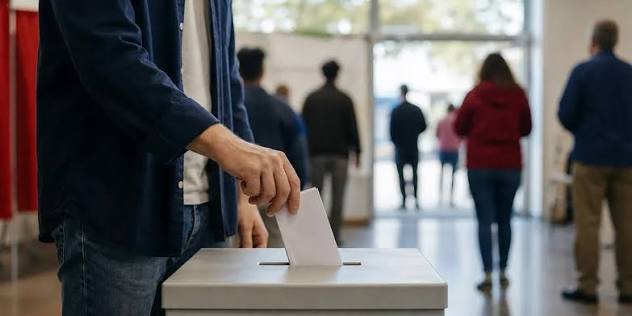
The Senate has 100 seats, with 35 being contested in the November 3 elections. Democrats need a net gain of four seats to reach a majority, while maintaining their existing seats.
North Carolina’s flip therefore gives the party one of the gains required, but several other competitive races remain important to its efforts.
In the House of Representatives, all 435 seats are being contested. Democrats need a net gain of three seats to secure a majority and take control of the chamber.
The results will determine whether Trump continues to work with a Republican-controlled Congress or faces a Democratic majority capable of increasing scrutiny of his administration and its policies.
High-Stakes Midterm Election
The November 3 vote also includes gubernatorial contests and elections for other state-level offices across the United States.
The midterms are being closely watched as a measure of public opinion during Trump’s presidency, with economic pressures, immigration, foreign policy and concerns about democracy featuring prominently in the national political debate.
For Democrats, the early Senate victories offer an opportunity to build on their gains as counting continues. Republicans, meanwhile, are seeking to defend their congressional majorities.

