



NAIROBI, Kenya – The Ugandan government has just announced that they are planning to ban single-use plastic carrier bags.
The announcement was made on May 7, 2025, by the executive director of the National Environmental Management Authority (NEMA).
This decision by the President Yoweri Museveni-led administration marks a significant step towards addressing plastic pollution in Uganda as well as protecting the environment and the wellbeing of our communities.
According to Hellen Kahaso Dena, the project lead for the Pan-African Plastic Project at Greenpeace Africa, this is a step in the right direction for Uganda.

Did you know? A Global Plastics Treaty is in the works—and it could be the game-changer we need. African leaders must champion a treaty that will: ✅Drastically cut plastic production! ✅Invest in reuse and refill alternatives! 🧵(1/2)
However, Hellen observed that despite the move, good intentions do not bring change.
“Only concrete actions do. We urge NEMA to ensure effective enforcement of the ban and to incentivise businesses, manufacturers, and producers to provide affordable, accessible, circular, and sustainable alternatives to consumers,” Hellen explained.
Hellen also maintained that NEMA must monitor the implementation of the ban across different stakeholders.
“Improved monitoring to assess compliance, including in small-scale and informal businesses, will be critical in ensuring compliance,” she advised.
In Kampala, the country’s capital, 100 metric tons of plastic are produced per day. A situation that represents a risk for the population’s wellbeing and health.

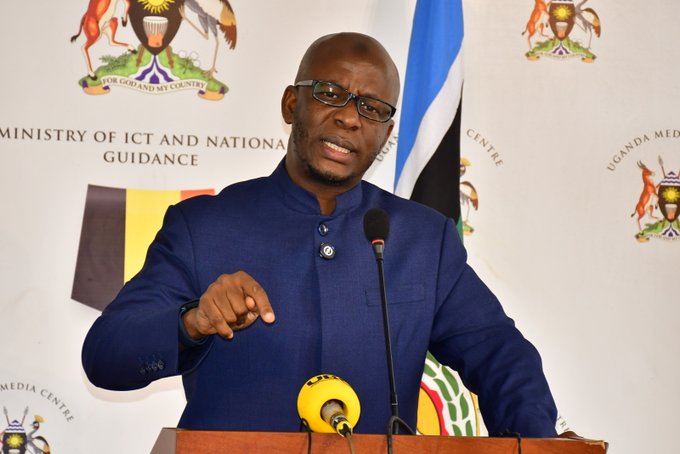
WORLD ENVIRONMENT DAY, 2025 Press Conference, May 6, 2025 Take-aways! ✅Schools urged not to allow children to report back to school with single use plastic carrier bags. ✅Producers of plastic for packaging urged to practice Extended Producer Responsibility. More in the 🧵🧵
Uganda’s announcement comes at a time when world leaders are gearing up for the second round of the Fifth Intergovernmental Negotiating Committee meeting (INC 5.2) talks in Geneva.
“Greenpeace Africa urges Uganda to shun the petrochemical industry and support an ambitious treaty that prioritises cuts in plastics production and embraces solutions like refill and reuse for a future free from the devastating impacts of plastic pollution,” added Hellen
Uganda now joins other East African countries, such as Kenya and Rwanda, that have taken the lead in instituting similar regulations.
“Microplastics are everywhere in the environment. In the food we eat, in the water we drink, in the air we breathe. We urge other African governments to follow this example. Plastic is a poison and is doing a lot of damage to our cities,” concluded Hellen.




