




BARCELONA, Spain — The GSMA has projected rapid growth in eSIM adoption, forecasting that eSIM-enabled smartphone connections will reach 2.5 billion globally by 2028.
In its 2026 Mobile Economy Report released Monday, the industry body said eSIM technology is on a high-growth trajectory and is emerging as one of the leading innovations in the mobile sector.
GSMA estimates that by 2030, eSIM will account for 42 P.c of all SIM technologies worldwide, reflecting a gradual shift away from physical SIM cards.
From Premium to Mainstream
“Once confined to premium smartphones, eSIM is now standard in mid-range devices, wearables and a growing range of connected products, which is streamlining activation and reducing reliance on physical SIM cards,” the report stated.
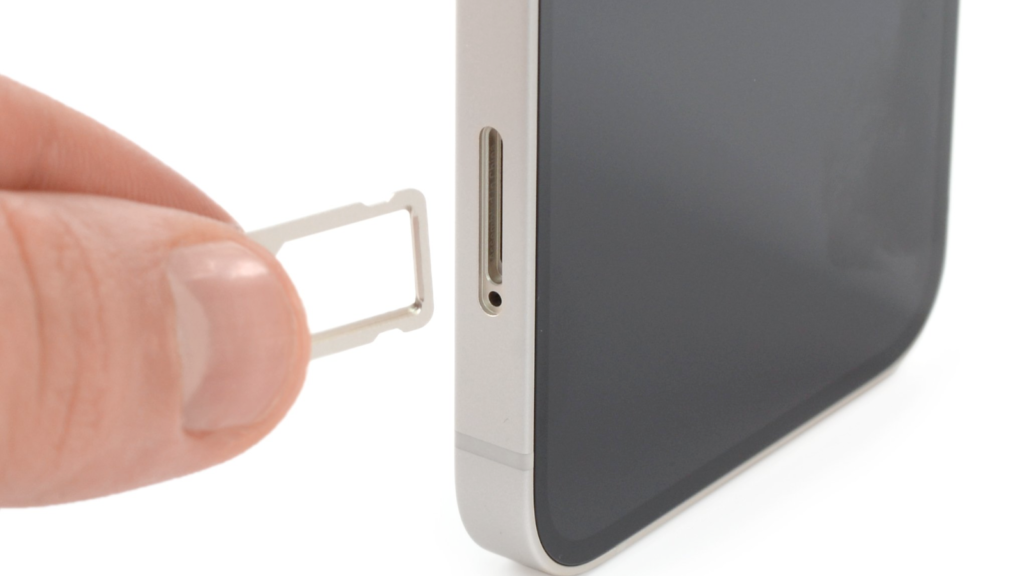
Manufacturers such as Apple and Google are increasingly introducing eSIM-only devices, removing physical SIM trays in a push toward fully digital connectivity.
The shift has enabled users to connect multiple devices, including smart watches and smart glasses, under a single mobile profile, strengthening the multi-device ecosystem.

Kenyan Market Adoption
In Kenya, mobile network operators, including Safaricom and Airtel Kenya, now offer eSIM services compatible with supported devices.
GSMA noted that eSIM adoption initially faced slow uptake in 2025 due to the limited availability of compatible phones and minimal promotion by operators. Migration challenges from physical SIM cards also slowed consumer transition.
However, the technology has gained popularity among frequent travellers, who can now activate local connectivity without physically swapping SIM cards.
MWC Focus on Connectivity and AI
The report was released as GSMA opened the Mobile World Congress at the Fira de Barcelona in Spain’s Catalonia region.
GSMA Director General Vivek Badrinath urged industry players to “champion open collaboration across borders to secure networks, close digital gaps, and strengthen trust in the digital economy.”
He said the mobile industry contributed $7.6 trillion to the global economy in 2025 and warned of escalating cyber threats. According to the report, cybercrime could cost the global economy $15.63 trillion by 2029.
Industry leaders and policymakers attending the summit are expected to deliberate on connectivity, artificial intelligence, and the evolution of 5G and 6G technologies as part of broader efforts to strengthen digital infrastructure worldwide.


