



.)
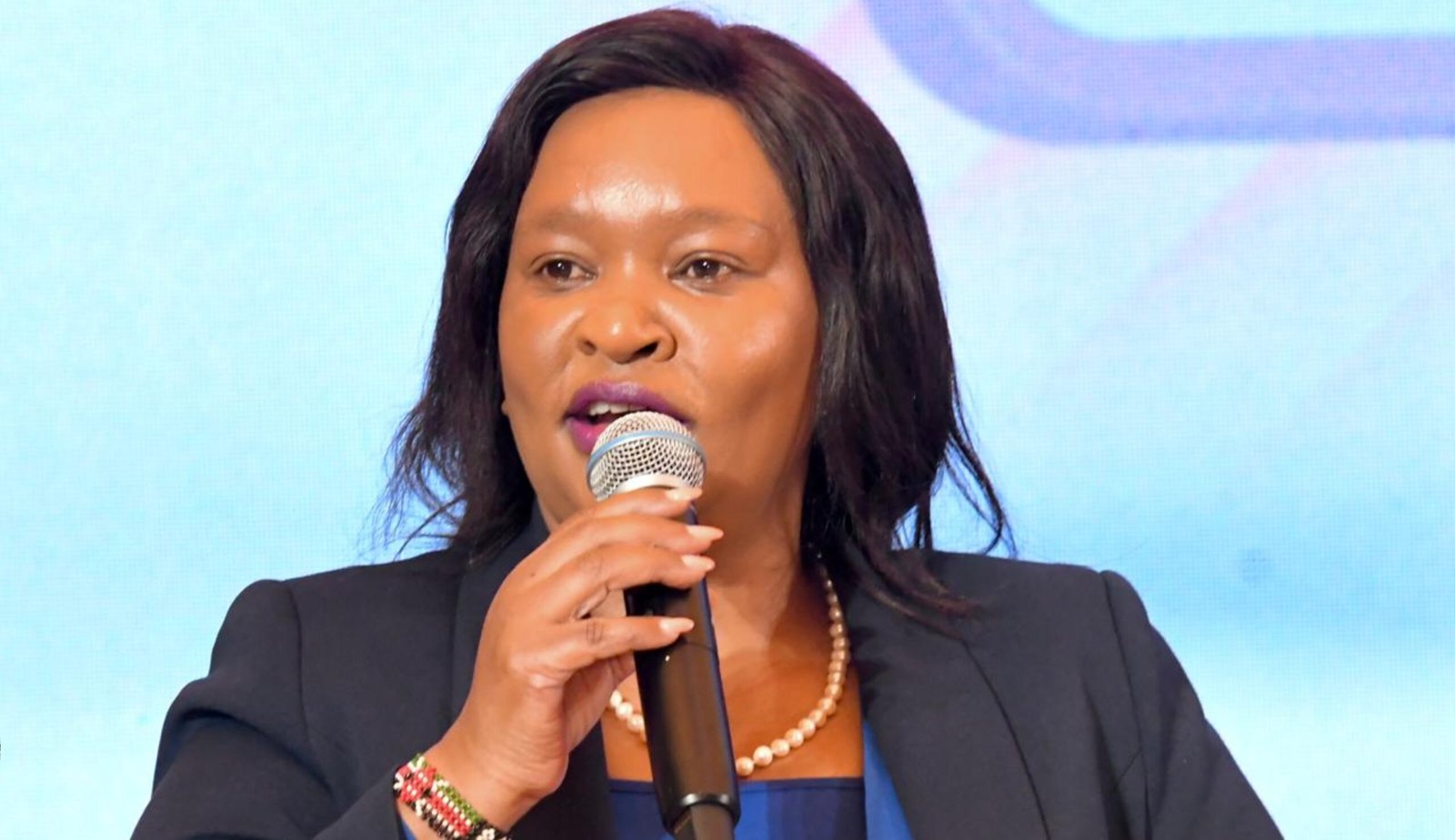
By Rebecca Miano,
NAIROBI, Kenya – Kenya’s tourism story has long been defined by its extraordinary natural assets —vast savannahs, pristine coastlines, and a rich tapestry of cultures that continue to captivate the world.
In recent years, we have built on this foundation with notable success.
The sector rebounded strongly last year, recording impressive growth in international arrivals and earnings, reaffirming tourism as a cornerstone of our economy and a key driver of jobs, investment, and national pride.
Yet even as we celebrate these gains, we must confront a defining reality: the future of tourism cannot rely on leisure travel alone.
Global trends, evolving traveler expectations, and past disruptions have underscored the importance of diversification.
This is Kenya’s Meetings, Incentives, Conferences, and Exhibitions (MICE) moment—and at its center is the near completion of the Bomas International Convention Complex (BICC).
This is not merely a new facility. It is a strategic investment that signals Kenya’s intent to position itself as a premier destination for Meetings, Incentives, Conferences and Exhibitions (MICE), and to compete at the highest level of global business tourism.
Located within the historic Bomas of Kenya, the BICC captures a uniquely Kenyan proposition—the seamless integration of heritage and modernity.
Few destinations in the world can offer a setting where global leaders convene in state-of-the-art facilities while immersed in authentic cultural experiences. In today’s competitive MICE landscape, this fusion is not incidental; it is a decisive advantage.
The economic rationale is clear. MICE tourism attracts high-value visitors who spend more, stay longer, and generate broad-based economic impact across sectors—from hospitality and aviation to the creative and digital economy.
Conferences are not just events; they are platforms for trade, investment, and knowledge exchange. Each delegate who chooses Kenya strengthens our global profile and opens new pathways for partnership.
However, infrastructure alone will not deliver this promise. The success of BICC will depend on deliberate, coordinated action.
We must continue to streamline visa processes, enhance air connectivity, and foster a policy environment that attracts global event organizers.
At the same time, the private sector must rise to the occasion—designing integrated, experience-driven conference offerings that reflect the diversity and dynamism of Kenya.
Equally important is ensuring that this growth is inclusive. By embedding cultural programming, supporting creative industries, and integrating local enterprises into the MICE ecosystem, we can extend the benefits of tourism more widely.
Bomas provides a natural platform for this—showcasing our cultural wealth while directly supporting communities and preserving heritage.
Beyond its economic impact, the BICC positions Kenya on a broader global stage. As a regional hub for diplomacy, finance, and innovation, we are well placed to evolve into a convening capital—one where ideas are exchanged, partnerships are forged, and global conversations are shaped.
In an increasingly interconnected world, influence is defined not only by what a country produces, but by the conversations it hosts.
The progress we have made in tourism gives us confidence. The investment we are making in Bomas gives us direction. What is required now is collective action.
I call upon industry stakeholders, investors, and partners—both local and international—to seize this moment. Let us collaborate, innovate, and invest in building a MICE ecosystem that reflects Kenya’s ambition and potential.
If we act decisively, the Bomas International Convention Complex will not simply complement our tourism offering—it will redefine it.
It will stand as a symbol of a confident, forward-looking Kenya, ready to welcome the world not just to visit, but to connect, engage, and do business.