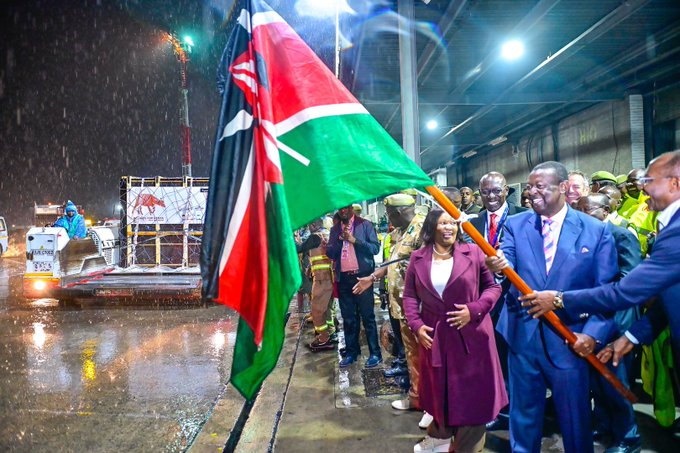
Kenya has taken a major step in wildlife conservation after receiving four rare mountain bongos from the Czech Republic, marking a significant boost to efforts aimed at saving one of the world’s most endangered antelope species.
The four male bongos arrived at Jomo Kenyatta International Airport aboard a KLM cargo flight before being transferred to the Mount Kenya Wildlife Conservancy, where they are now undergoing acclimatisation under close monitoring.
A Critical Boost for Kenya’s Bongo Population
The relocation is part of Kenya’s broader National Recovery and Action Plan for the Mountain Bongo, which seeks to rebuild the population and eventually reintroduce the species into its natural forest habitat.
According to conservancy officials, the addition of the four males increases the total number of bongos at the facility to 102, strengthening the genetic pool and improving breeding outcomes.
Mount Kenya Wildlife Conservancy patron Humphrey Kariuki described the move as a strategic intervention to ensure long-term survival, noting that genetic diversity is key to reversing decades of population decline.
Tourism and Wildlife Cabinet Secretary Rebecca Miano echoed the sentiment, emphasizing that introducing new genetic lines enhances resilience and sustainability of breeding programs.
International Collaboration Driving Conservation
The translocation highlights growing international cooperation in wildlife conservation, particularly between Kenya and the Czech Republic.
The bongos were sourced from Zoo Dvůr Králové, a facility globally recognized for its work in breeding endangered species. Czech Ambassador Nicol Adamcova said the move reflects a shared commitment to protecting biodiversity.
At the same time, Kenya Wildlife Service Director General Erustus Kanga termed the arrival a “moment of hope and responsibility,” underscoring the urgency of saving the species from extinction.
Prime Cabinet Secretary Musalia Mudavadi added that the milestone demonstrates the power of partnerships between governments, conservationists, and private stakeholders.
Why the Mountain Bongo Matters
The mountain bongo is one of the rarest large mammals in the world, native to Kenya’s highland forests. Its population has drastically declined due to habitat loss, poaching, and human-wildlife conflict.
Efforts like this translocation aim not only to rebuild numbers in controlled environments but also to prepare the animals for eventual reintroduction into the wild.
For more on Kenya’s wildlife conservation efforts, visit the Kenya Wildlife Service or explore global conservation programs by World Wildlife Fund.
A Step Toward Restoration
While challenges remain, the arrival of the four bongos signals renewed momentum in Kenya’s conservation agenda. With sustained collaboration, funding, and habitat protection, experts believe the species could gradually recover.
For now, all eyes remain on the conservancy as the animals settle into their new environment—quietly carrying the hopes of an entire conservation movement.