




NAIROBI, Kenya – More than one million candidates have begun sitting the main written papers of the 2026 Kenya Certificate of Secondary Education (KCSE) examination, even as insecurity along the Kenya-Ethiopia border forced the relocation of two examination centres in Moyale, Marsabit County.
Education Cabinet Secretary Julius Migos Ogamba said on Monday, November 2, that the Ministry had moved the affected centres in response to security concerns arising from clan clashes along the border.
The development adds a security challenge to an examination exercise involving 1,048,355 candidates across 10,693 centres countrywide.
In a statement, Ogamba said the relocation was part of measures taken by the government to address emerging challenges and ensure candidates could complete their examinations safely.
Reports from Moyale indicate that candidates from Sessi Mixed Secondary School and St Mary’s Secondary School were moved to safer locations after cross-border violence raised concerns over the safety of learners. Local reports also indicated that stray bullets had hit a school in the area.
KCSE Main Written Papers Begin
The Education Ministry said the national examination exercise began on October 19, with oral, practical and other examinations involving candidates taking subjects with smaller candidature.
The Kenya Primary School Education Assessment (KPSEA) concluded on October 28, while the Kenya Junior School Education Assessment (KJSEA) ended on October 30.
Monday marked the start of the main written KCSE papers, with candidates sitting compulsory, large-candidature subjects after two weeks of examinations in elective subjects such as foreign languages, music and technical subjects.
The 2026 KCSE examination is scheduled to run until November 20, according to the examination schedule reported.
Hospitalised and Incarcerated Candidates Included
The Ministry also disclosed that special arrangements had been made to ensure candidates who could not access ordinary examination centres were not left out.
Seven candidates in hospital and another five in correctional facilities have been provided with arrangements to sit their examinations.
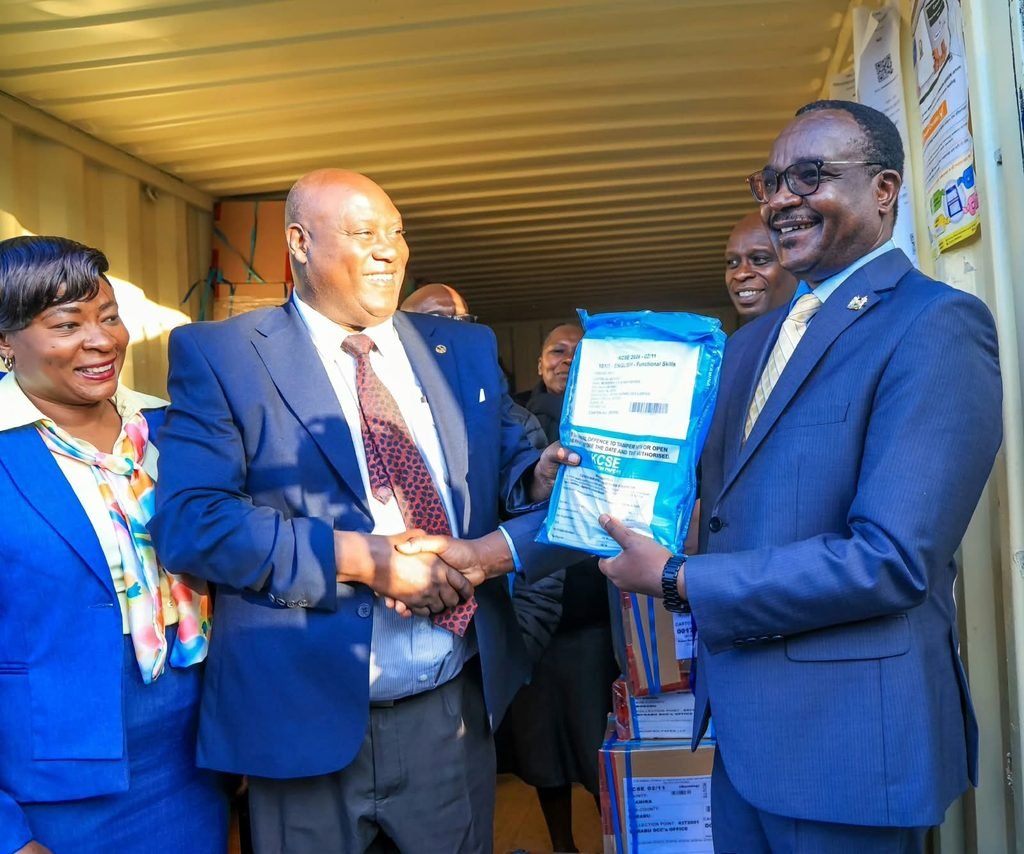
Ogamba commended candidates, contracted examination personnel and members of the public for supporting what he described as a largely seamless exercise.
He said the government remained prepared to respond to any emerging challenges that could interfere with the administration of the examinations.
Ministry Warns Against Examination Fraud
The Cabinet Secretary urged Kenyans to report suspected examination fraud and malpractice through the Kenya National Examinations Council (KNEC) toll-free numbers.
The public can report suspected irregularities through 0800721410 and 0800724900.
The Ministry said public cooperation was necessary to ensure examination results reflected candidates’ actual work rather than irregular practices.
The 2026 examination cohort is also significant in Kenya’s education transition, as it is the second-last group expected to sit KCSE under the 8-4-4 curriculum before the final cohort takes the examination in 2027.
Ogamba wished candidates success as the country entered the main examination period, assuring them that the government would continue taking measures to protect the integrity and smooth administration of the national examinations.

