




NAIROBI, Kenya – Brazilian President Luiz Inácio Lula da Silva has secured a fourth, non-consecutive term after defeating right-wing senator Flávio Bolsonaro in a closely contested presidential runoff, completing an extraordinary comeback after trailing his rival in the first round.
Official results from Brazil’s Superior Electoral Court show Lula received 64,256,232 votes, representing 51.79pc of valid ballots, against Bolsonaro’s 59,826,041 votes, or 48.21pc. The margin was approximately 4.43 million votes.
The October 25 victory makes Lula the first Brazilian president to win four elections by direct popular vote, following his victories in 2002, 2006 and 2022. His new term is scheduled to begin on January 5, 2027.
But the result was immediately overshadowed by Bolsonaro’s refusal to concede, setting the stage for a potential legal challenge in a country whose politics remain sharply divided.
Lula overturns first-round defeat
Lula’s victory broke a pattern in Brazil’s presidential elections since the restoration of democracy: no candidate who finished second in the first round had previously gone on to win the runoff.
Bolsonaro entered the final round with an advantage after receiving 47.03pc of the vote in the October 4 first round, compared with Lula’s 45.16pc. The incumbent’s campaign subsequently gained momentum through street rallies, digital outreach and efforts to mobilise supporters who had stayed away from the initial vote.
Turnout increased in the runoff, with 128.2 million voters casting ballots, compared with approximately 125.3 million in the first round. Abstention fell from 21.08pc to about 19.22pc, according to official election figures.
The mobilisation helped Lula overcome the initial deficit and secure a narrow majority of valid votes.
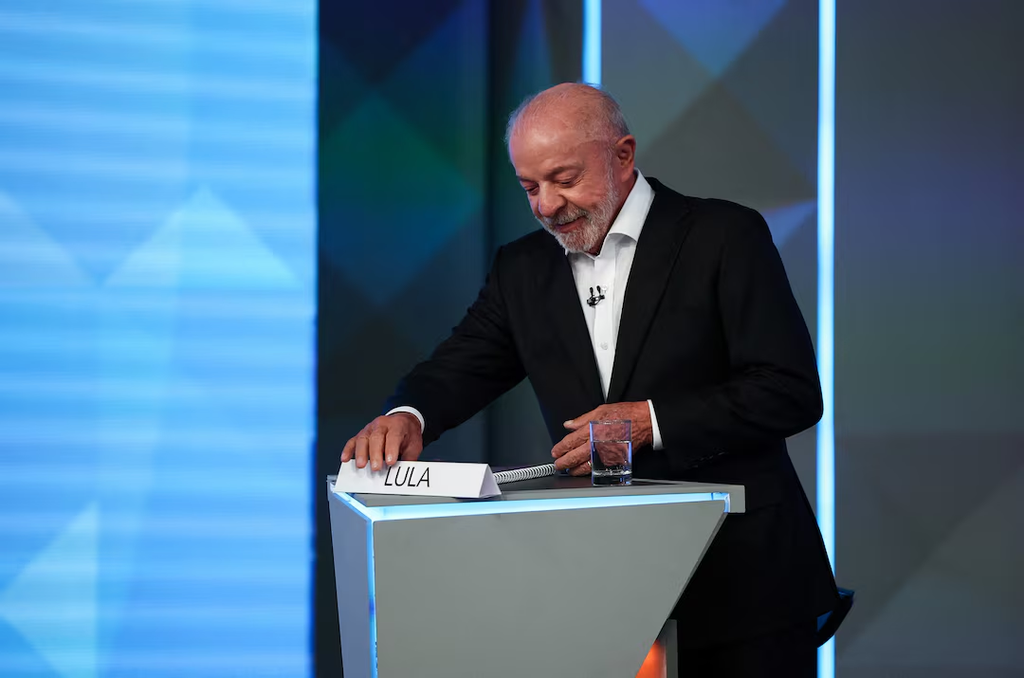
Addressing supporters after the result was confirmed, Lula framed the outcome as a defence of democratic institutions and a rejection of political denialism.
The victory also strengthens the position of the Workers’ Party leader as he prepares for another four years governing Latin America’s largest economy, amid public concerns over living costs, security and the country’s political divisions.
Bolsonaro challenges the result
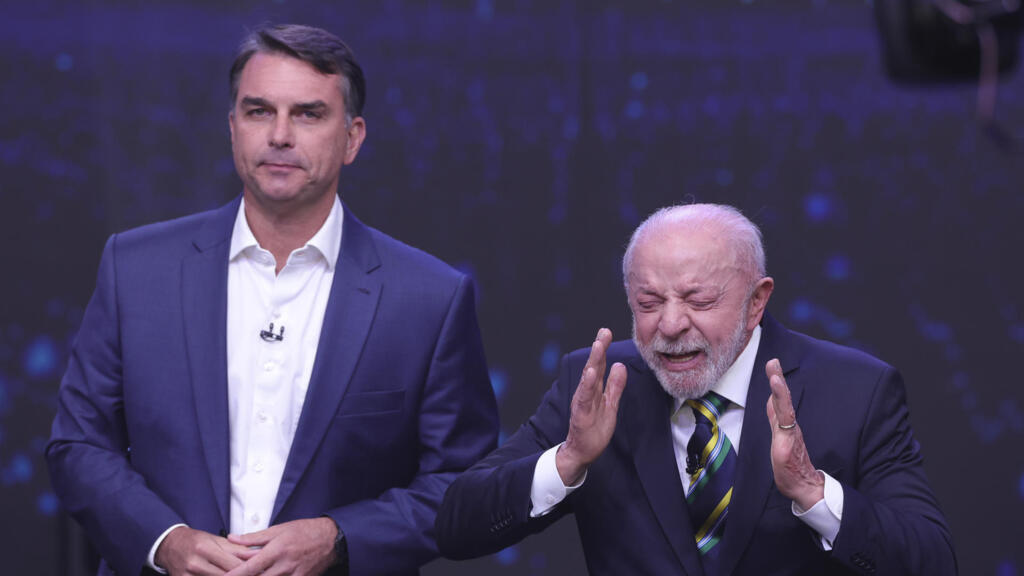
Flávio Bolsonaro said he could not accept the outcome and indicated that his legal team would seek to have the election annulled.
His objection centred on a decision by Supreme Court Justice Cristiano Zanin to extend voting hours by two hours in response to problems affecting voter transport and severe weather in parts of the country.
However, both campaigns had sought an extension, according to reporting on the election, while Brazil’s electoral authorities confirmed Lula’s victory after the count was completed. Bolsonaro’s demand for annulment had not overturned the official result at the time of reporting.
The dispute recalls the controversy surrounding his father, former president Jair Bolsonaro, who rejected his 2022 defeat to Lula. Jair Bolsonaro was later convicted in connection with a plot to overturn that election result and is serving a 27-year sentence, according to reports.
Flávio’s challenge could prolong political uncertainty, although the electoral court’s published tally establishes Lula as the winner of the runoff.
Digital campaigning and voter mobilisation
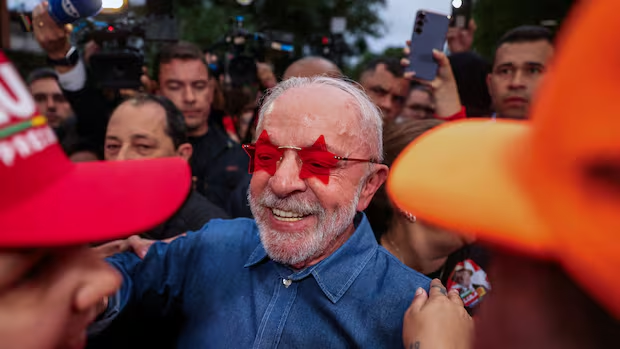
Lula’s comeback was supported by an intensive online campaign alongside rallies and other public demonstrations.
Brazil’s state news agency reported that lawmaker André Janones helped organise a WhatsApp group known as “Lula’s Army”, which attracted more than 10 million participants and amplified the campaign’s messages. Supporters also organised demonstrations in several cities as the runoff approached.
The effort came as Lula sought to persuade voters that his administration offered a different approach to social welfare, public healthcare, education and environmental protection from the programme associated with the Bolsonaro family.
The election nevertheless exposed the depth of Brazil’s political divide. Bolsonaro’s substantial vote share means Lula will begin his new term facing a large opposition constituency, while political resistance in Congress could complicate efforts to advance his agenda.
A setback for Trump-aligned politics in the region
Lula’s victory also carries implications beyond Brazil.
Flávio Bolsonaro’s political family has maintained close ties with US President Donald Trump and other right-wing political figures. The defeat therefore frustrates efforts by Bolsonaro allies to return their movement to Brazil’s presidency at a time when right-wing candidates and leaders have gained ground in parts of Latin America.
Lula has emphasised Brazilian sovereignty and the defence of democratic institutions, while his supporters have presented the result as a signal that voters rejected the opposition’s political direction.
The immediate challenge for Brazil is now twofold: managing the legal and political fallout from Bolsonaro’s refusal to concede while preparing for a new administration facing economic pressures and entrenched partisan divisions.
For Lula, the result marks another major milestone in a political career that began in the labour movement and took him from a working-class background to the country’s highest office. His fourth victory, however, also brings renewed expectations that his government will address the concerns that divided voters during one of Brazil’s closest recent presidential contests.

