


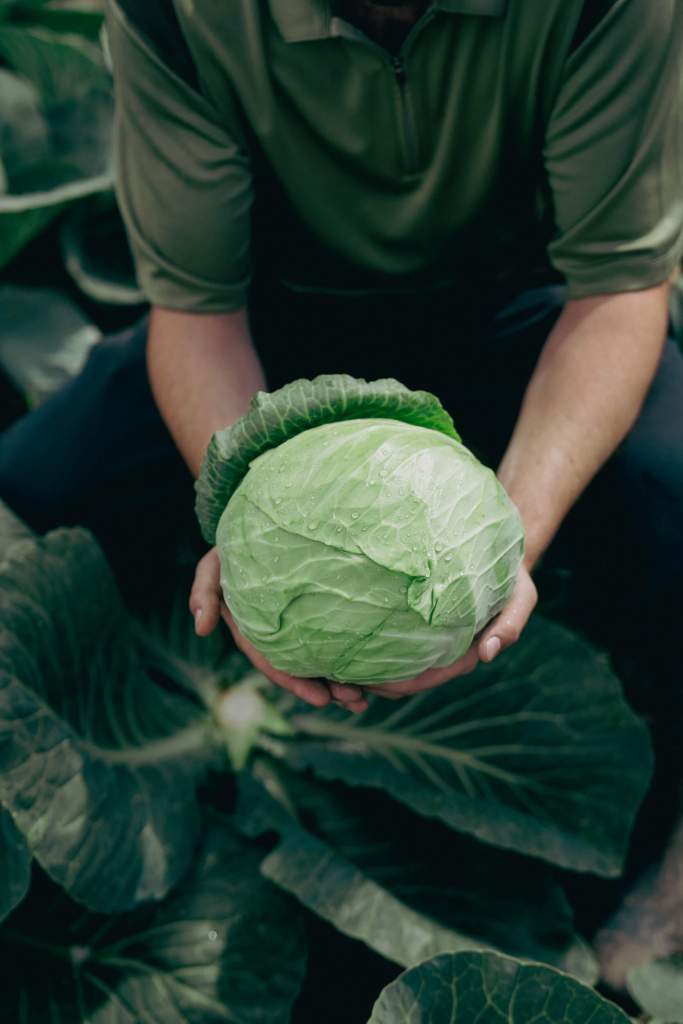
NAIROBI, Kenya – Cabbage may be one of the most affordable vegetables on the market, but it is also one of the most nutritious. Often overlooked, this humble vegetable is packed with essential vitamins, minerals and antioxidants that support overall health.
Easy to prepare and versatile in the kitchen, cabbage can be eaten raw in salads, lightly cooked, steamed or stir-fried.
Adding it to your meals even once or twice a week can provide your body with valuable nutrients that support digestion, immunity and heart health.
Here are some key health benefits of making cabbage a regular part of your diet.
Supports healthy digestion
Cabbage is a good source of dietary fibre, which plays an important role in maintaining a healthy digestive system.
Fibre helps food move smoothly through the intestines, reducing constipation and promoting regular bowel movements.
A well-functioning digestive system also improves nutrient absorption, helping the body get more value from the foods you eat.
Rich in vitamin C
While citrus fruits are often associated with vitamin C, cabbage is also an excellent source of this essential nutrient. Vitamin C helps strengthen the immune system, supports healthy skin and aids wound healing.
It also acts as a powerful antioxidant, protecting the body’s cells from damage caused by free radicals.
May support heart health
Cabbage contains fibre, potassium and beneficial plant compounds that may help protect the heart. Fibre can help lower cholesterol levels, while potassium supports healthy blood pressure by balancing the effects of sodium.
Including cabbage as part of a balanced diet may help reduce the risk of heart disease over time.
Helps with weight management
Low in calories but high in water and fibre, cabbage is a filling food that can help control appetite. Eating fibre-rich vegetables like cabbage helps you feel full for longer, which may reduce overeating and unnecessary snacking.
This makes cabbage a smart choice for people trying to manage or lose weight.
Provides essential vitamins and minerals
In addition to vitamin C, cabbage supplies vitamin K, folate and vitamin B6. Vitamin K supports bone health and proper blood clotting, while folate is essential for cell growth and development.
Vitamin B6 helps the body convert food into energy and supports brain function.
Packed with antioxidants
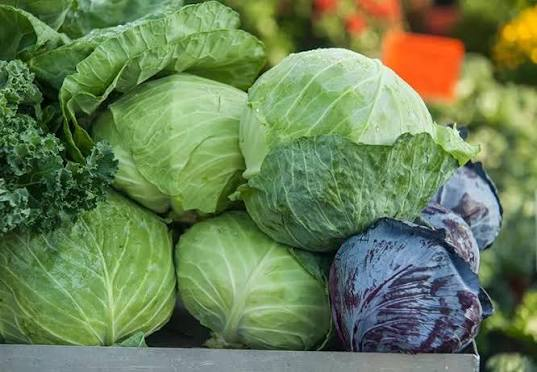
Cabbage is rich in antioxidants that help protect the body from inflammation and cell damage. Red cabbage, in particular, contains higher levels of certain antioxidants, which give it its vibrant colour and added nutritional value.
These natural plant compounds may help reduce long-term inflammation, which has been linked to several chronic health conditions.
A simple vegetable with powerful benefits
Cabbage may look simple, but its health benefits are impressive. Affordable, widely available and easy to cook, it offers an effective way to boost nutrient intake without increasing food costs.
Whether you prefer green or red cabbage, adding it to your weekly meals can support digestion, heart health, immunity and overall wellness — all while fitting easily into a wide range of delicious recipes.

