




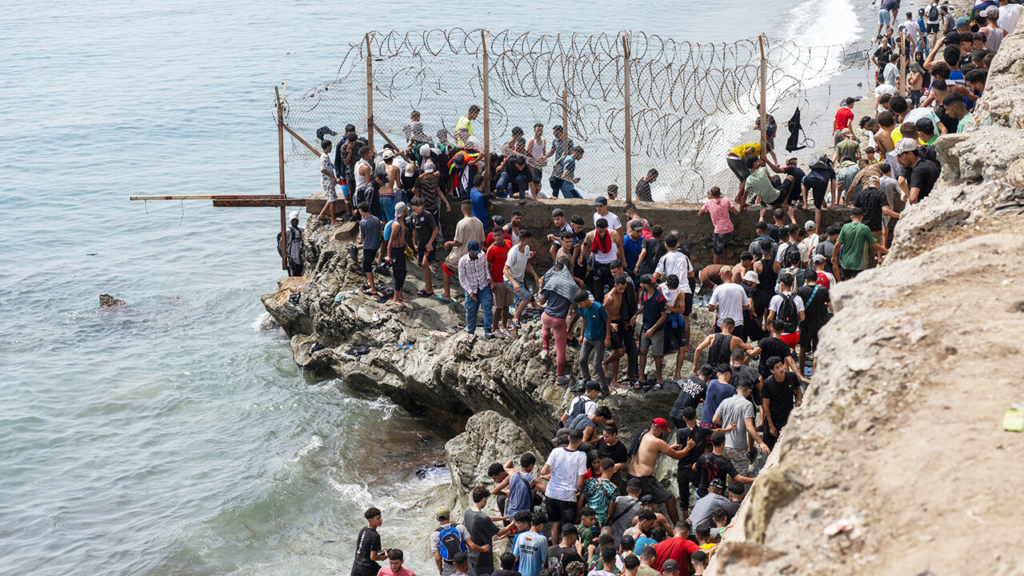
CEUTA, Spain- The leader of the Spanish enclave of Ceuta has accused Morocco of allowing last week’s unprecedented mass border crossing, describing the incident as an attack on Spain’s territorial integrity as Madrid seeks stronger backing from its European Union partners.
Juan Jesús Vivas, the long-serving president of Ceuta, said the influx of tens of thousands of migrants appeared to have been “if not orchestrated, at least encouraged or permitted” by Moroccan authorities.
“People see this not as a migration crisis; it was fundamentally an attack, a violation of Spain’s territorial integrity,” Vivas told Spanish newspaper El País.
Thousands Cross Into Ceuta
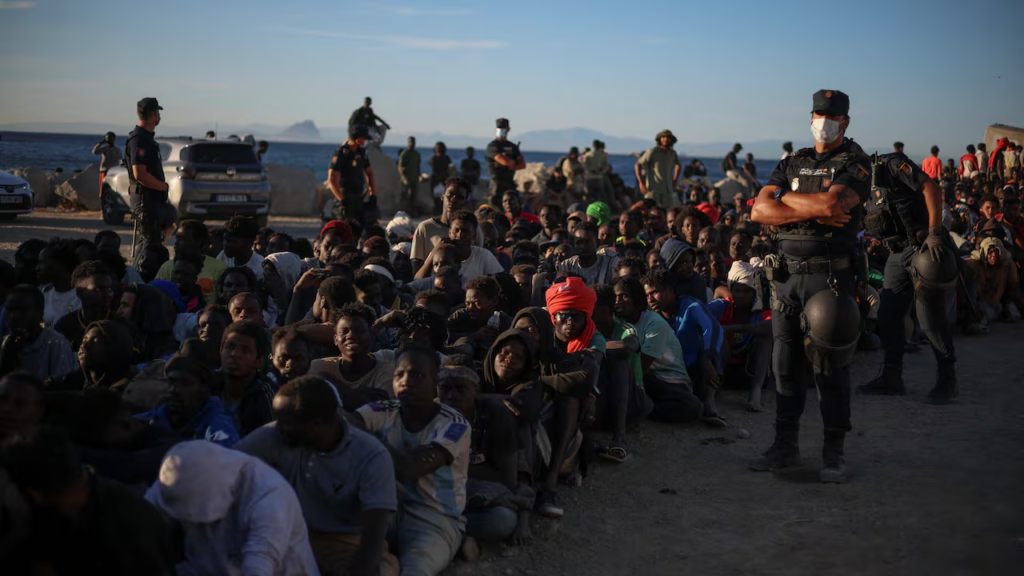
Spanish authorities said approximately 69,500 people who entered Ceuta late last week have since returned to Morocco, while around 2,500 migrants remained in the enclave as of Monday.
The unprecedented influx overwhelmed the Spanish territory, which has a population of about 84,000, triggering a humanitarian emergency and sparking political tensions across the European Union.
Vivas described the tragedy as devastating, revealing that dozens of people had lost their lives during the crossings.
“It’s an atrocity. There are 88 bodies in the morgue, and there are more on the other side of the border.”
Spain Questions Morocco’s Role
Spain’s Defence Minister, Margarita Robles, urged Moroccan authorities to investigate the circumstances surrounding the crossings.
“Neither Spain nor Morocco can look the other way when it comes to this tragedy. I ask the Moroccan government to fully investigate what happened.”
According to preliminary assessments by Spanish intelligence services cited by local media, investigators believe the mass movement was not necessarily planned by Moroccan authorities. However, they suspect Moroccan border controls were significantly relaxed, allowing thousands of people to cross into Spanish territory.
Officials believe misinformation circulated on social media following a ruling by Spain’s Supreme Court regarding migrants arriving by sea may have fuelled the rush toward the border.
Migrants Describe Harrowing Journey
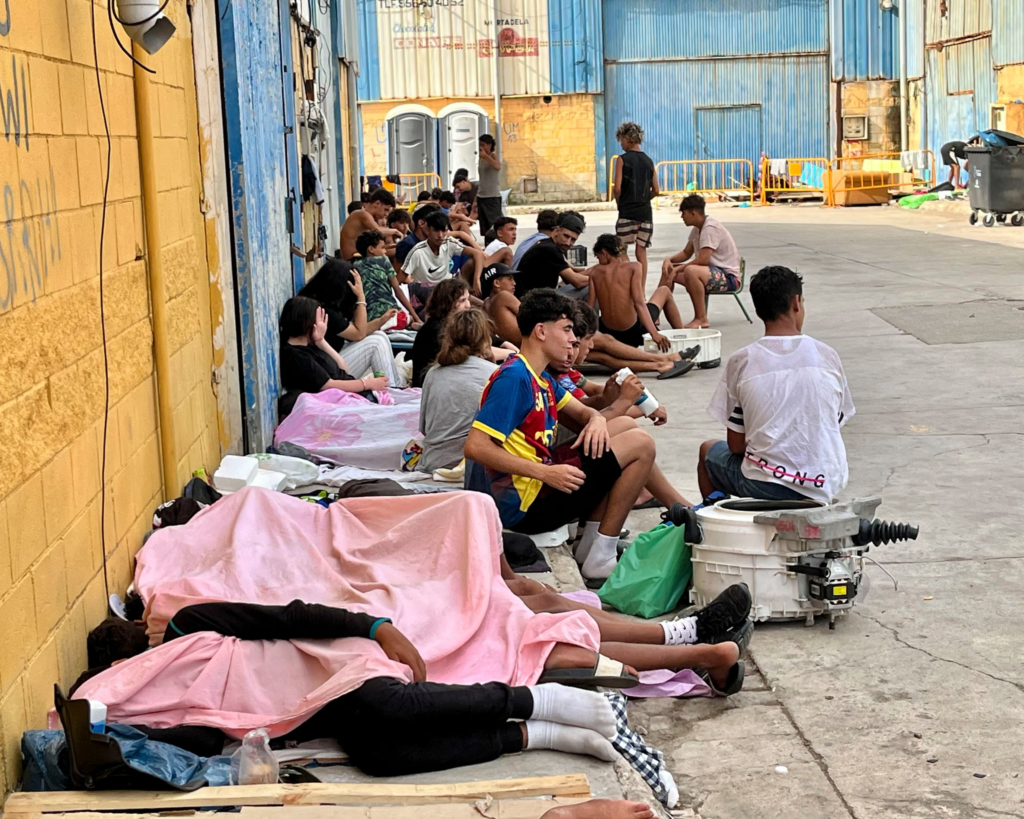
Hundreds of migrants continued sleeping on beaches and around mosques in Ceuta as authorities worked to manage the humanitarian situation.
Local officials said 862 unaccompanied minors remained in the enclave.
One Moroccan migrant, identified as Ashraf, recounted the dangerous sea crossing, claiming he was influenced by online posts suggesting the border had been opened.
He described witnessing people drowning while attempting to swim into Spanish territory and alleged that Moroccan police encouraged migrants to enter the water.
Another woman said she had travelled to Ceuta searching for her two children, aged 13 and 16, who disappeared after attempting the crossing from Morocco.
Political Tensions Spread Across Europe
The crisis has intensified divisions within the European Union over migration policy.
Ahead of an emergency meeting of EU interior ministers, Spain’s Foreign Minister José Manuel Albares criticised some European governments for what he described as a lack of solidarity.
He also accused unnamed actors of spreading misinformation about Spain’s handling of the crisis and the integrity of the Schengen free movement area.
Albares maintained that Spain continues to record one of the lowest levels of irregular migration along the Mediterranean route and said Moroccan authorities had cooperated in returning many of those who crossed.
Meanwhile, Ursula von der Leyen praised Spain’s response and said the crisis highlighted the need to strengthen the European Union’s external borders.
“From this incident, it is clear that we must do more to further strengthen our borders at critical points,” von der Leyen said in a letter to Spanish Prime Minister Pedro Sánchez.
Broader Diplomatic Concerns
The latest developments have revived memories of a similar crisis in May 2021, when approximately 10,000 migrants entered Ceuta after Morocco relaxed border controls during a diplomatic dispute with Spain.
Analysts have suggested that the current tensions may be linked to Spain’s recent warming relations with Algeria, Morocco’s regional rival, although no official confirmation has been provided.
European officials have also expressed concern that foreign disinformation campaigns could exploit the migration crisis to deepen political divisions within the bloc.
According to Ukrainian officials, more than 1,500 online publications linked to pro-Russian networks were identified using images from Ceuta in an apparent attempt to spread disinformation across Europe.


