



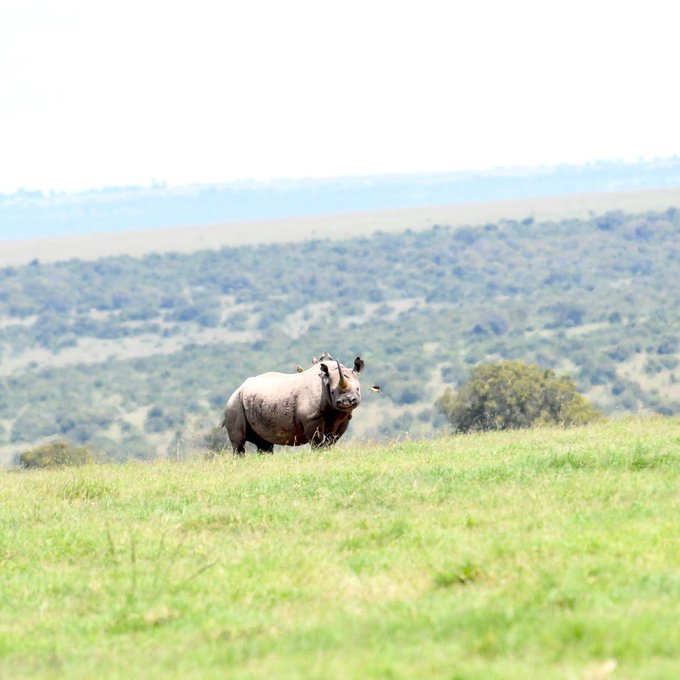
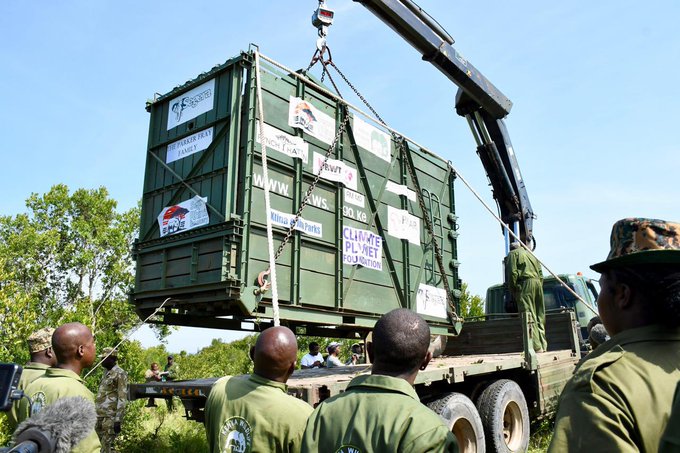
LAIKIPIA, Kenya — Kenya has launched a high-stakes wildlife operation to translocate 21 eastern black rhinos from the Ol Pejeta Conservancy to the Segera Conservancy in Laikipia—a move hailed by conservation leaders as a “bold step” in the country’s efforts to protect one of the world’s most endangered mammals.
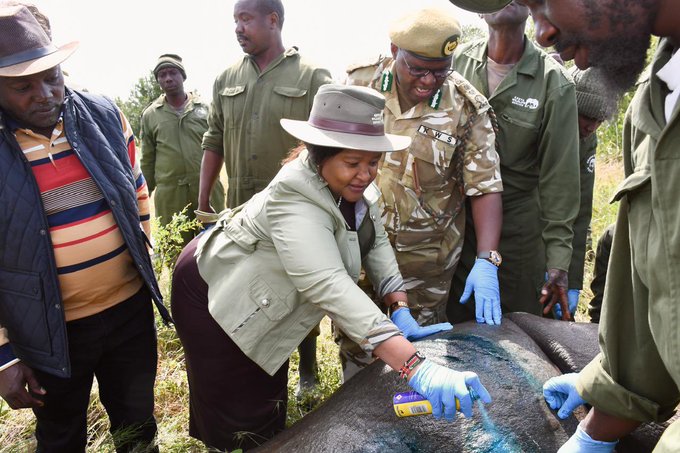
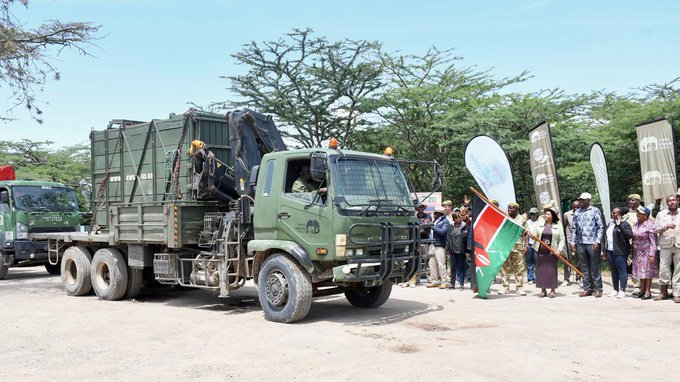
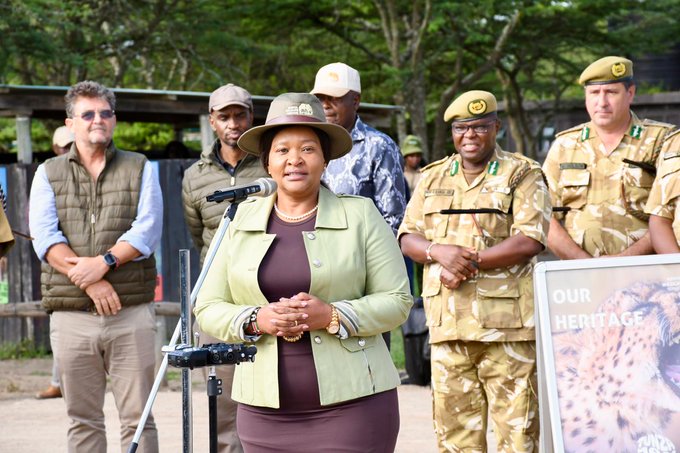
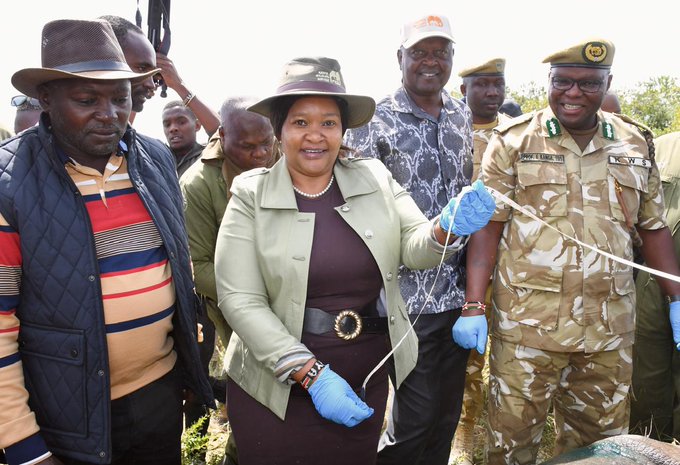
The operation was flagged off on Saturday by Tourism and Wildlife Cabinet Secretary Rebecca Miano, who was joined by Kenya Wildlife Service (KWS) officials, board members, and key conservation partners.
The 18-day relocation exercise is part of a broader national strategy to expand secure habitats and grow the black rhino population across Kenya.

𝐑𝐇𝐈𝐍𝐎 𝐓𝐑𝐀𝐍𝐒𝐋𝐎𝐂𝐀𝐓𝐈𝐎𝐍 Kenya is proud to be home to 80% of Africa’s eastern black rhino population, a responsibility we embrace with utmost seriousness. Today, we reaffirm our global leadership in wildlife conservation through the historic translocation of 21
Easing the Pressure on Overcrowded Sanctuaries
The relocation comes as sanctuaries such as Ol Pejeta, Lewa Wildlife Conservancy, and Lake Nakuru National Park experience rising pressure from rhino overpopulation.
These conditions risk increased territorial conflicts and competition for resources, potentially hampering breeding success.
Segera Conservancy—an ecologically rich private sanctuary—has now been selected as a new breeding ground, marking its entry into Kenya’s elite network of rhino conservation sites.
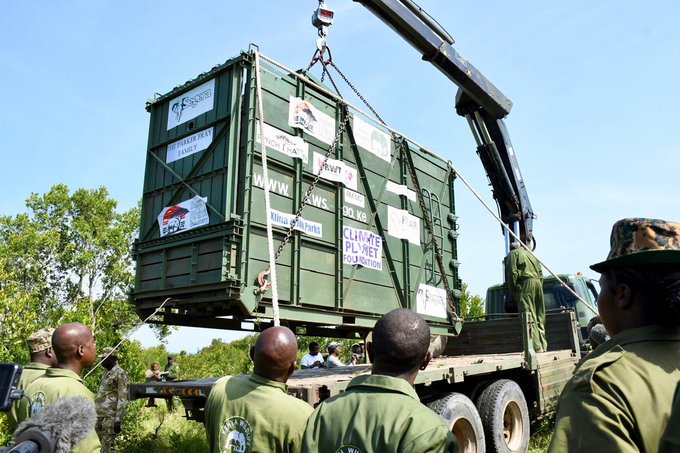
The rhinos will be moved in carefully spaced phases, with three animals translocated at a time.
The staggered approach allows each group to acclimate to its new surroundings before the next is moved.
May’s cooler weather was deliberately chosen to reduce stress during the operation.
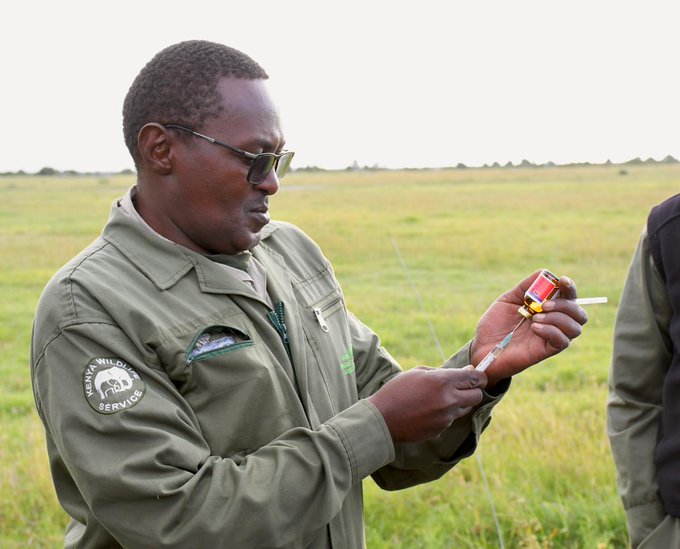
A team of expert veterinarians will monitor each animal throughout the journey to ensure their safety and wellbeing.

Today, the Cabinet Secretary Ministry of Tourism and Wildlife, Hon. @rebecca_miano , accompanied KWS Board of Trustees chairman Lt. Gen. (Rtd) Walter Raria Koipaton, KWS Board of Trustees, KWS Director General Prof. @ErustusKanga, conservation partners and stakeholders officially
A Testimony to Collaboration
The operation is backed by a coalition of partners including the Zeitz Foundation, Ol Pejeta Conservancy, Lewa Wildlife Conservancy, and a network of rangers and community conservancies.
Officials say the collaboration underscores Kenya’s position as a global leader in wildlife conservation.
Kenya is home to nearly 80% of Africa’s eastern black rhino population, a figure that brings both prestige and responsibility.
According to CS Miano, the relocation aligns with the country’s National Black Rhino Action Plan, which targets a population of 2,000 black rhinos by 2037—up from the current estimated 900.
Rhinos and the Bigger Picture
The eastern black rhino (Diceros bicornis michaeli) once roamed large parts of East Africa, but decades of poaching and habitat loss have pushed the species to the brink.
Today, it is listed as critically endangered, with fewer than 1,000 individuals left in the wild, the majority of them in Kenya.
With this translocation, conservationists hope to not only secure more space for the animals but also boost genetic diversity and breeding success.



