



NAIROBI, Kenya — For more than four decades, Raila Amolo Odinga has stood as the restless heartbeat of Kenya’s political conscience — a man alternately praised, feared, and misunderstood, yet never ignored.
His story is one of persistence, imprisonment, and improbable comebacks, woven into the nation’s journey from one-party rule to fragile democracy.
Born in January 1945 to Kenya’s first Vice-President, Jaramogi Oginga Odinga, Raila inherited not just a famous name but a family tradition of dissent.
When the elder Odinga fell out with President Jomo Kenyatta over governance ideals, the younger Raila watched his family move from privilege to persecution. It was a lesson in power and principle that would define his adult life.
Educated in East Germany, Raila returned home to teach engineering — but politics soon consumed him. He was detained for years without trial under President Daniel arap Moi’s government for allegedly supporting the 1982 coup attempt.
Many thought that would silence him; instead, it hardened his conviction. “The cells were cold,” he once said in a BBC interview, “but my resolve burned hotter.”
When multiparty democracy returned in the 1990s, Raila emerged as one of its loudest architects. He helped unite fragmented reform movements, stood up to authoritarian rule, and inspired a generation of young politicians.

What We Know About Raila Odinga’s Death Former Prime Minister Raila Odinga passed away on Wednesday morning while undergoing treatment in Kochi, India. He reportedly collapsed during a morning walk at an Ayurvedic hospital where he had been receiving care. Doctors at Devamatha
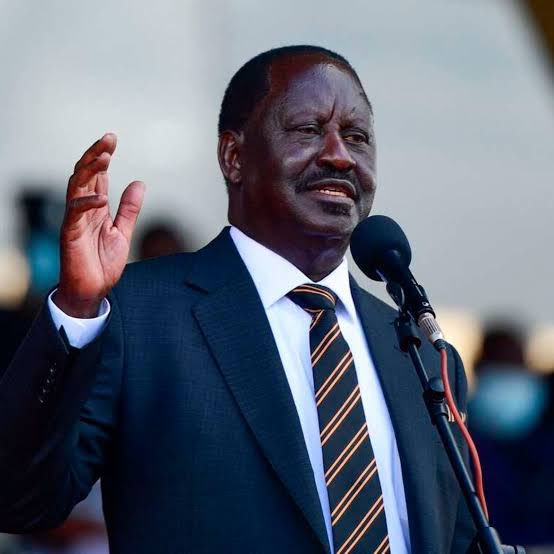
From Ford Kenya to the National Development Party, and later the Orange Democratic Movement (ODM), Raila mastered the art of reinvention — turning defeat into fuel for resilience.
His five presidential runs read like chapters in a modern political epic: narrow losses, disputed results, and controversial court rulings. Yet each time, he refused bitterness. After the bloody 2007–2008 post-election crisis, Raila accepted the post of Prime Minister in a power-sharing deal that stabilized the nation.
Later, his 2018 “handshake” with President Uhuru Kenyatta shocked allies and foes alike, reframing him once again as a statesman willing to trade populism for peace.
Even in the twilight of his career, Odinga’s fire endured. Whether addressing crowds in Kibera or negotiating reforms with presidents, his message was constant — that Kenya could be better, fairer, and freer.

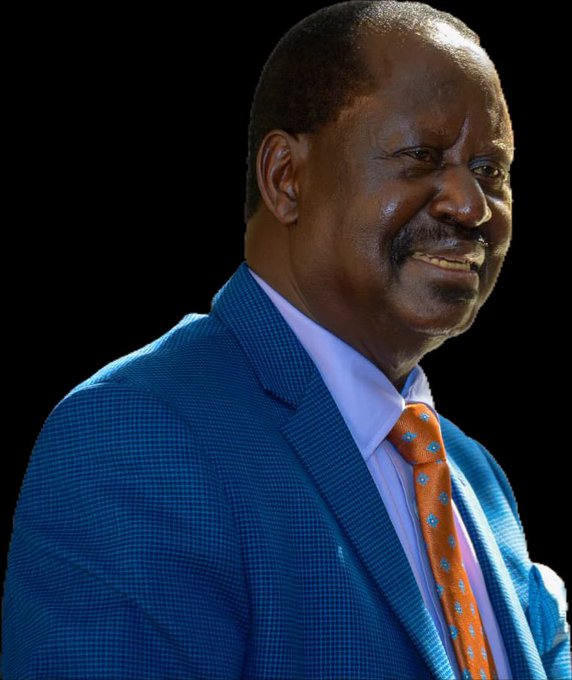
To his supporters, he was “Baba,” the father of opposition politics and a symbol of unyielding courage. To his critics, he was a master tactician who blurred the line between populism and pragmatism.
Yet through the noise, one truth remained: Raila Odinga changed the rhythm of Kenyan politics. He forced every administration to answer uncomfortable questions about power, justice, and accountability. His presence alone defined the scale of dissent.
Today, as debates swirl about succession and the future of Kenya’s opposition, even his fiercest rivals acknowledge the void his absence would leave. Raila’s influence, like his legacy, stretches beyond party colors and election cycles.
It lives in the democratic spaces he helped carve out — often at great personal cost.
Whether viewed as revolutionary or reformer, hero or polarizer, Raila Odinga’s life is the story of modern Kenya itself: unfinished, contested, but forever forward-moving.



