


Shakira and the FIFA World Cup have become so closely linked over the years that many football fans now associate major tournament moments with her music.
While dozens of artists have contributed songs to football’s biggest event, few have built a relationship with the World Cup as consistently as the Colombian superstar.
Across multiple tournaments and generations of fans, Shakira has transformed from a performer invited to a football event into one of the defining musical faces of the sport itself.
From Berlin in 2006 to the upcoming North American World Cup in 2026, her journey with football has stretched across two decades.
The Beginning: Germany 2006
Before she had an official World Cup anthem under her name, Shakira had already stepped onto football’s biggest stage.
During the 2006 FIFA World Cup in Germany, she delivered a performance of her global smash hit Hips Don’t Lie during World Cup festivities and became one of the most talked-about entertainment figures associated with the tournament.
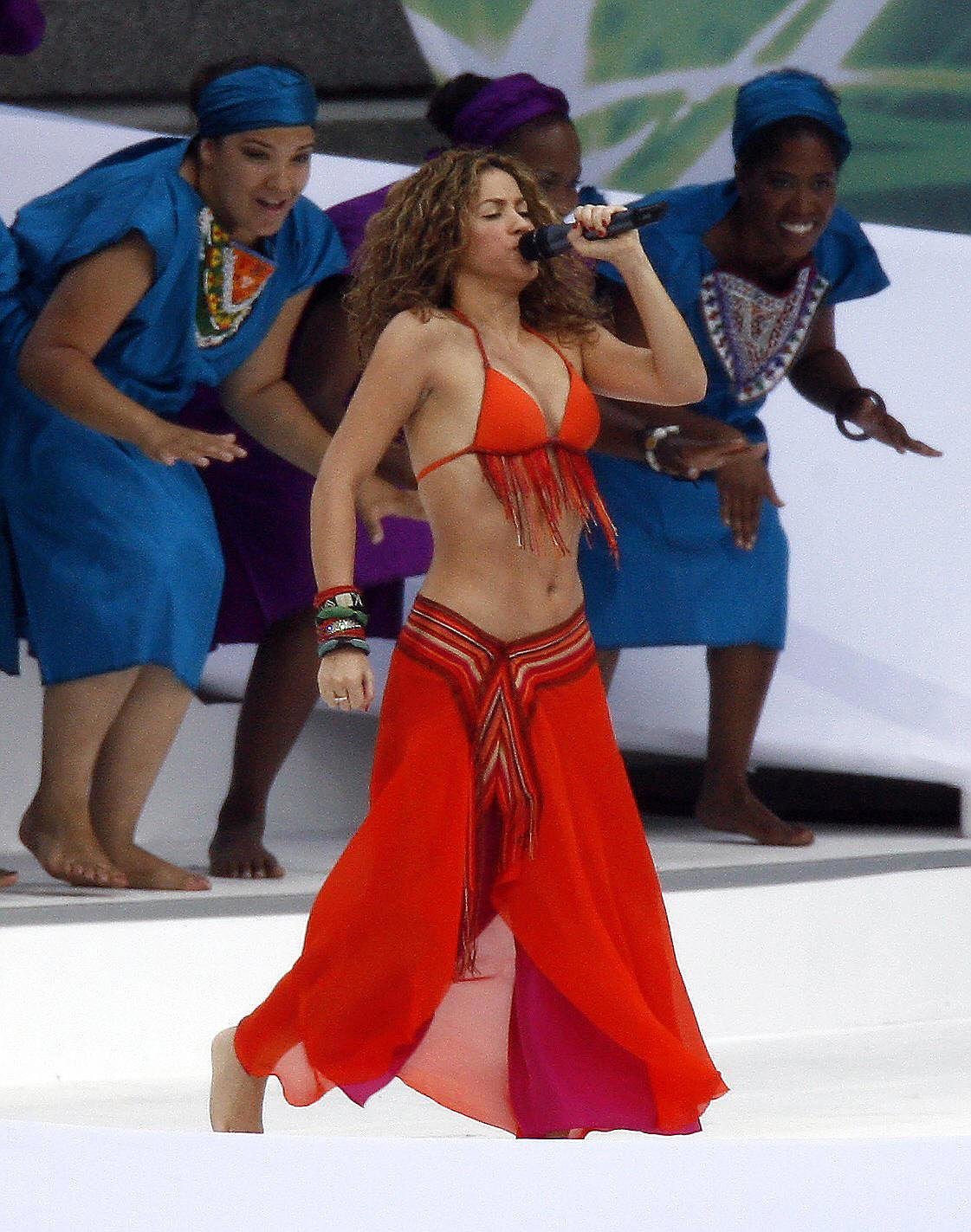
The performance introduced a connection that few could have predicted would continue for years.
At the time, she was already one of the world’s biggest music stars, but her role in football culture was still developing.
The Song That Changed Everything: Waka Waka (2010)
The defining chapter of Shakira’s World Cup story came during the 2010 FIFA World Cup in South Africa.
Shakira released Waka Waka (This Time for Africa) featuring Freshlyground as the tournament’s official anthem.
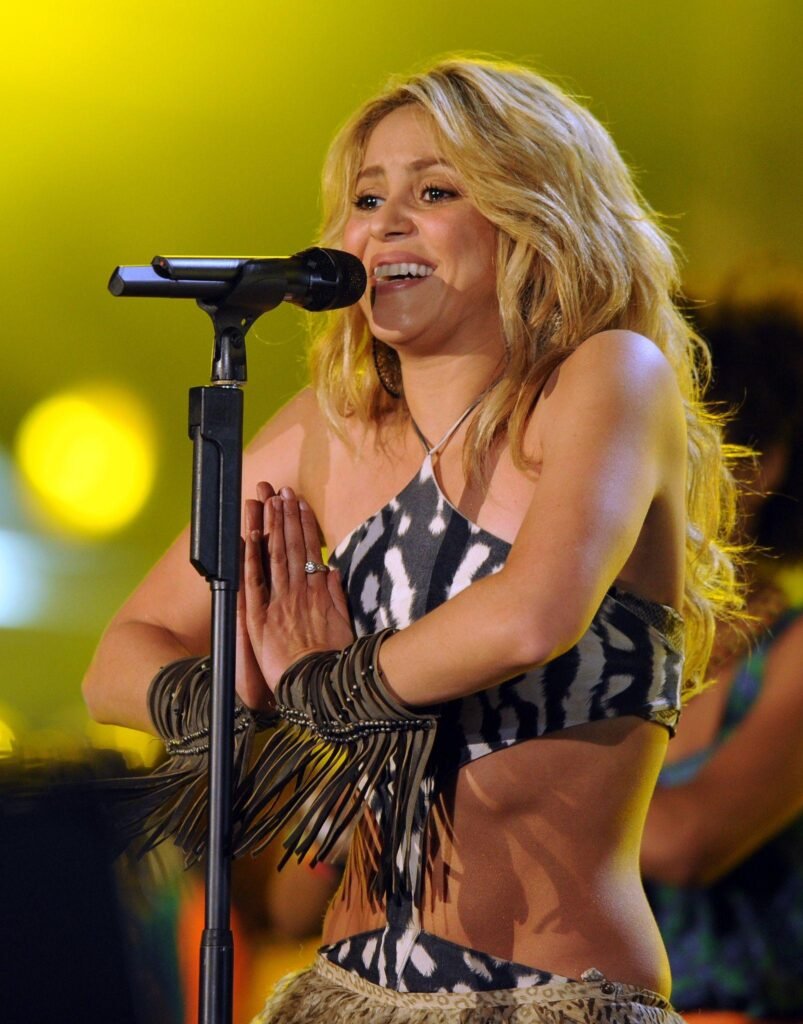
At first, the song generated mixed reactions. Some critics questioned why a non-African artist was selected for Africa’s first FIFA World Cup.
However, the track quickly gained worldwide popularity and eventually became one of the most successful sports songs ever recorded.
“Waka Waka” blended pop sounds with African rhythms and sampled the Cameroonian military song “Zamina Mina (Zangaléwa),” creating a sound that crossed cultures and languages.
Over time, the song evolved into much more than a tournament anthem. It became a celebration song used in football events, schools, parties and sporting moments around the world.
More than a decade later, many fans still consider it the greatest World Cup song ever created.
The 2010 tournament also changed Shakira’s personal life. During filming and tournament activities, she met Gerard Piqué, who was playing for Spain during that World Cup.
Their relationship later became one of the most talked-about celebrity partnerships in global entertainment and sports.
Returning for Brazil 2014
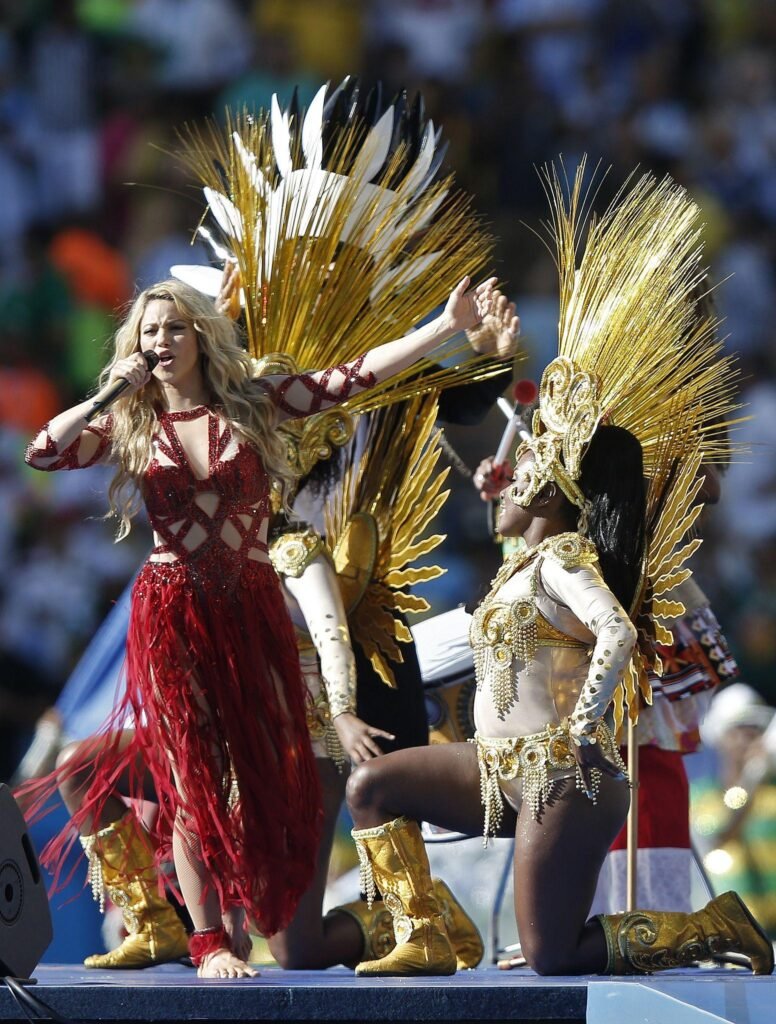
After the enormous success of “Waka Waka,” expectations surrounding Shakira’s next World Cup involvement became extremely high.
For the 2014 FIFA World Cup in Brazil, she returned with La La La (Brazil 2014) featuring Brazilian musician Carlinhos Brown.
Technically, the official song for the tournament was We Are One (Ole Ola) by Pitbull, Jennifer Lopez and Claudia Leitte. Yet despite not holding official anthem status, “La La La” became one of the tournament’s dominant songs.
The music video attracted enormous viewership online and the song spread rapidly across football audiences worldwide. Many fans ultimately connected with it more strongly than the official tournament track.
Shakira later performed during World Cup celebrations in Rio de Janeiro, strengthening her growing image as one of football’s recurring musical stars.
The Return for FIFA 2026
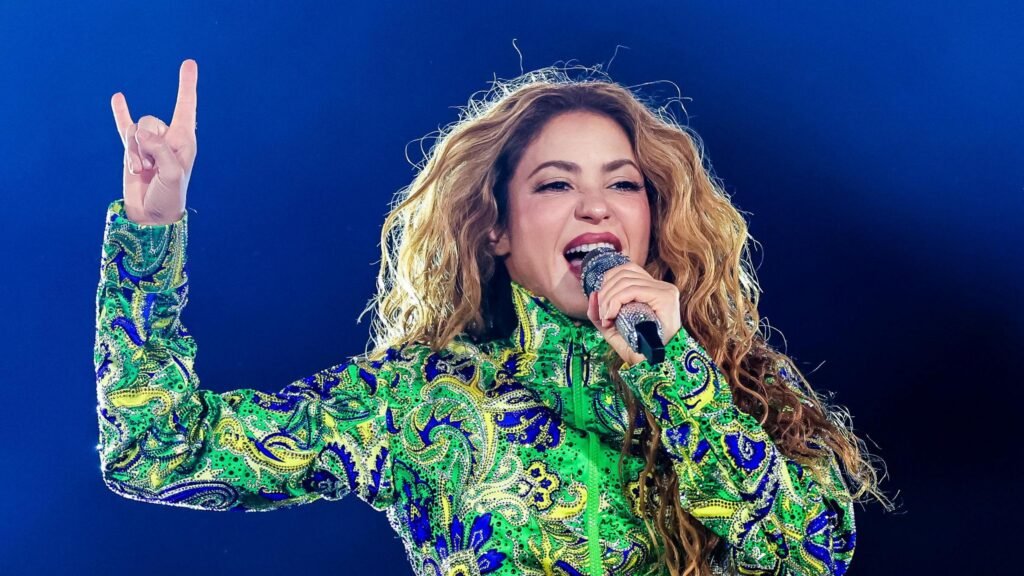
Now, Shakira’s World Cup story is set for another major chapter. For the 2026 FIFA World Cup in North America, she has returned with Dai Dai alongside Burna Boy.
The song serves as the official anthem for the upcoming tournament and adds another major milestone to her football legacy.
Beyond music, the project reportedly carries a broader social purpose. Proceeds from the song are expected to support the FIFA Global Citizen Education Fund, an initiative aimed at raising funding for children’s education around the world.
The 2026 World Cup also is set to feature halftime performances and wider tournament activities, further strengthening her long-standing relationship with FIFA.
More Than a Singer — A Football Soundtrack
Shakira’s repeated appearances at World Cups are unusual in global music. Most artists perform once and become associated with a particular tournament.
Shakira, however, has remained relevant across multiple generations of football fans. Her songs have accompanied different football eras, from Germany and South Africa to Brazil and now North America.
The consistency is part of what makes her World Cup story unique. Football changes every four years. Players retire. Champions change. Stars emerge and disappear.
Yet somehow, Shakira has repeatedly found herself returning to the center of football’s biggest celebrations.

