




Washington D.C, United States – US Army Secretary Dan Driscoll has resigned after about 18 months in office, amid reports of prolonged tensions with Defence Secretary Pete Hegseth.
Driscoll’s departure was confirmed by CBS News, the BBC’s US media partner, which reported that the resignation followed months of conflict between the two senior Pentagon officials.
At 41, Driscoll was the youngest person to serve as US Army secretary and had become closely associated with President Donald Trump’s defence agenda.
The White House described him as a highly effective official who advanced Trump’s programme to “Make America Strong Again” and provided strong leadership during military operations.
The BBC said it had contacted the White House, Pentagon and Army for comment.
Driscoll departure adds to Pentagon turnover
Driscoll is the latest in a series of high-profile military and defence officials to leave their positions during the Trump administration.
Among those who have recently departed are Navy Secretary John Phelan, who abruptly resigned in April, as well as Army Chief of Staff Randy George, Army Gen. David Hodne and Maj. Gen. William Green.
Since taking over at the Pentagon, Hegseth has removed or overseen the departure of more than a dozen senior military officers, including the chief of naval operations and the Air Force vice-chief of staff.
The precise nature of the disagreement between Hegseth and Driscoll has not been publicly established.
However, CBS reported that Driscoll was a close friend of George, who was reportedly asked by Hegseth to resign.
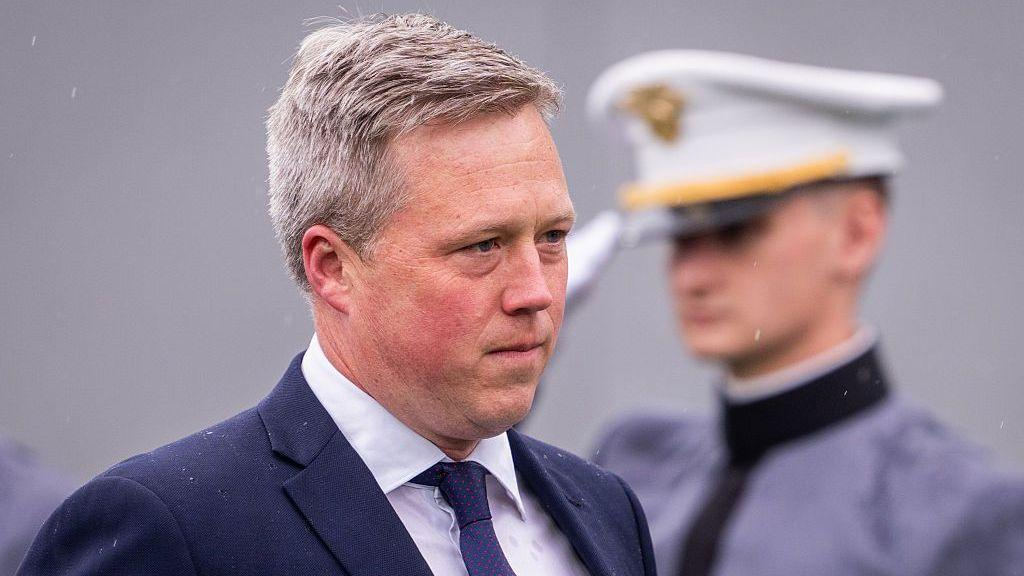
Who is Dan Driscoll?
Driscoll previously served in the US Army before moving into politics and government.
He joined the Army as an officer in 2007, later commanded a cavalry platoon and deployed to Iraq for several months in 2009.
He was appointed Army secretary during the Trump administration and quickly became known for his interest in emerging military technologies.
His support for the rapid adoption of unmanned systems earned him the nickname Trump’s “drone guy.”
Driscoll advocated for the use of drones and other new battlefield technologies as the US military sought to adapt to changing forms of warfare.
Role in Russia-Ukraine diplomacy
During his time in government, Driscoll also played a role in diplomatic efforts surrounding the Russia-Ukraine war.
He took part in talks aimed at finding a path towards ending the conflict, travelling abroad and meeting Ukrainian President Volodymyr Zelensky.
His involvement reflected the unusually broad responsibilities he took on while serving as Army secretary.
Driscoll was also a close political ally of Vice-President JD Vance, whom he met while both were at Yale Law School.
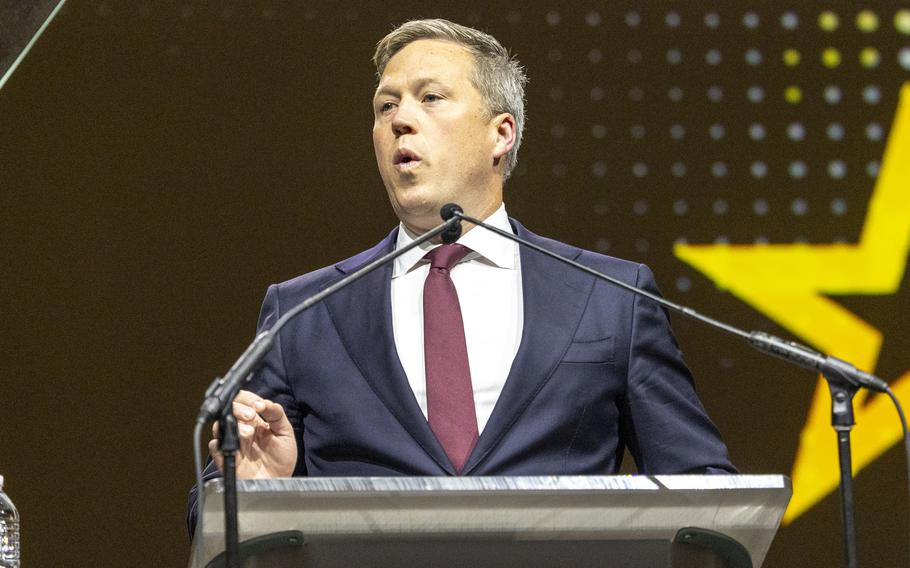
Army secretary’s role
The Army secretary is the senior civilian leader of the US Army.
The position oversees the Army’s active-duty forces as well as the National Guard and Army Reserve, working alongside the military leadership responsible for operational command.
The secretary also plays a major role in setting policy, managing resources and implementing the administration’s defence priorities.
Driscoll’s resignation therefore comes at a significant level of the US military establishment.
National Guard deployments
Driscoll was also involved in Trump’s decision to deploy the National Guard to US cities during periods of domestic unrest and political tension.
The deployments generated considerable public debate over the role of the military and National Guard forces in domestic security.
During his tenure, Driscoll additionally served as acting director of the Bureau of Alcohol, Tobacco, Firearms and Explosives (ATF).



