





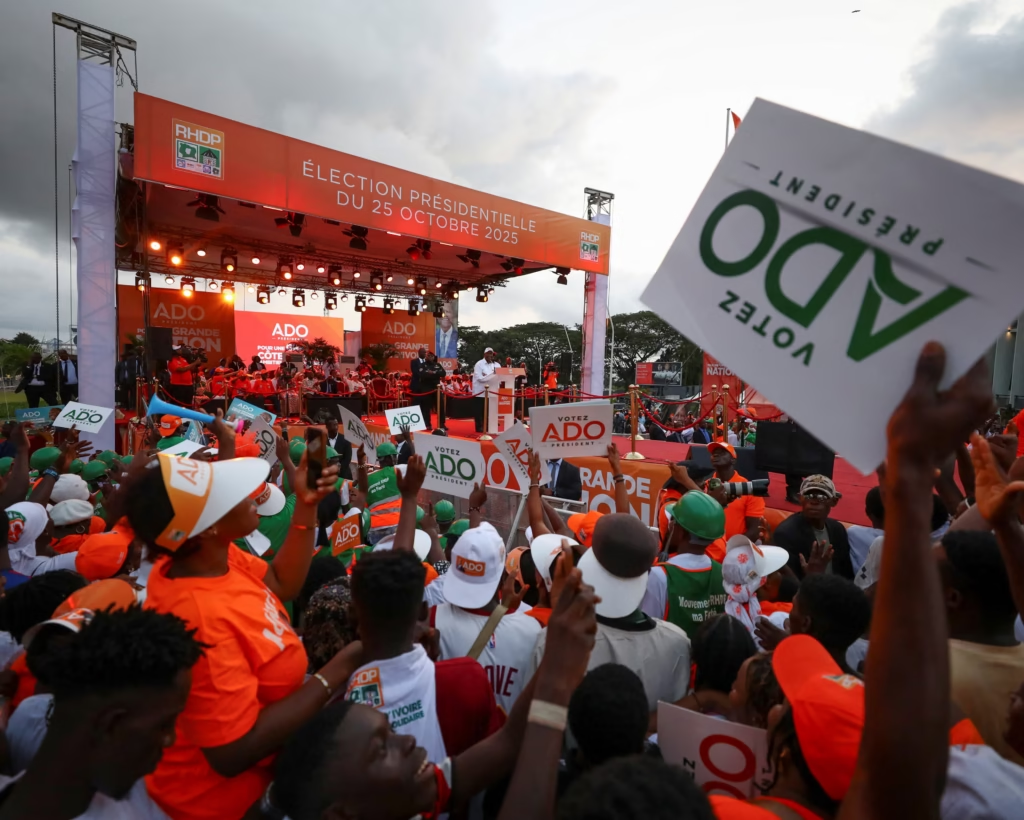
ABIDJAN, Ivory Coast — Ivory Coast heads to the polls on Saturday in a high-stakes election that could define its democratic future, as 83-year-old President Alassane Ouattara seeks an unprecedented fourth term amid mounting criticism over shrinking civic space and intolerance to dissent.
An estimated 8.7 million Ivorians are registered to vote in an election featuring five candidates, including former First Lady Simone Gbagbo and ex-ministers Henriette Lagou Adjoua, Ahoua Don Mello, and Jean-Louis Billon.
However, the disqualification of two major opposition figures — former President Laurent Gbagbo and banker Tidjane Thiam — has raised doubts about the poll’s credibility.
Ouattara, widely considered the frontrunner, has defended his record of economic growth, citing an average GDP increase of 7 p.c and sweeping infrastructure investments. Yet, critics argue that these gains have failed to translate into equitable prosperity or political reconciliation.
“President Alassane Ouattara built the roads to connect the cities. Simone Gbagbo will build the roads to reconcile Ivorians,” said Charles Blé Goudé, a former ally of Laurent Gbagbo, during a campaign rally in Diégonéfla.
Simone Gbagbo, who now leads the leftist Movement of Capable Generations (MGC), has positioned herself as a voice for inclusion and renewal. “Ouattara believes he is so well positioned that he can win everything,” she told The Guardian, accusing him of clinging to power.
Key campaign issues include rising living costs, youth unemployment, and climate-related disruptions to cocoa farming — the backbone of the Ivorian economy. Opposition candidates have also decried forced urban evictions and uneven development between rural and urban areas.
Meanwhile, the Independent Electoral Commission (CEI) faces scrutiny after protests over alleged bias toward the ruling party.
This week, youths vandalized a CEI office in Yamoussoukro, underscoring the growing mistrust. “The opposition does not fully trust these institutions,” said political science professor Arsène Brice Bado of the Centre for Research and Action for Peace.
Analysts warn that the outcome could affect political stability across West Africa, where nine successful coups have occurred since 2020. Still, Bado believes the Ivory Coast is less prone to military intervention due to relative cohesion in its security forces and strong international backing.
Yet memories of post-election violence loom large. After the 2020 vote, more than 50 people were killed, including a farmer who was beheaded in Daoukro. This year, fears of renewed unrest have led many in Abidjan to stock up on essentials or flee to neighboring Ghana.
Amnesty International has condemned the government’s crackdown on protests, reporting over 250 arrests and multiple convictions of demonstrators opposing Ouattara’s fourth term. “Peaceful protest is a right, not a privilege,” said Marceau Sivieude, the organization’s West and Central Africa director.
Regional observers, including ECOWAS and the African Union, have been accused of indifference. “This silence effectively gives Mr. Ouattara continued space to entrench his position and narrow the path to inclusive dialogue,” said Nigeria-based SBM Intelligence in a recent report.
As Ivorians prepare to vote, the question remains whether this election will mark a turning point for stability or a repeat of the country’s turbulent political past.

