




NAIROBI, Kenya — Residents of Kargi in Marsabit County are raising alarm over a decades-long health and environmental crisis they link to abandoned oil exploration activities in the Chalbi Desert, with growing cases of cancer, contaminated water, and unexplained livestock deaths.
Accounts gathered in a report by The Intercept describe a community grappling with unusually high rates of digestive tract cancers, particularly oesophageal and stomach cancers, alongside deteriorating environmental conditions.
Residents trace the crisis to the 1980s, when Amoco—now owned by BP—conducted oil exploration in the region. The company drilled nearly a dozen wells over five years before abandoning the project in 1990 after failing to find commercially viable oil deposits.
Community members allege that drilling waste and hazardous materials were left behind near key water sources, including boreholes relied on by both people and livestock.
One widely reported concern is a white, flaky substance found near wells, which some residents mistook for salt and used in food preparation.
Investigations cited in the report suggest the material may have contained toxic compounds, including nitrates and heavy metals, which later seeped into water sources.
While a direct causal link between the contamination and cancer cases has not been conclusively established, multiple assessments have found elevated levels of harmful substances in local water supplies.
A government water quality assessment reportedly identified dangerously high nitrate levels, with officials warning of potential fatal health effects.
Subsequent studies by researchers and non-governmental organisations also detected arsenic and other contaminants.
Residents say the environmental impact was immediate and severe. Livestock deaths were reported in large numbers, with some cases documented in court filings indicating animals died after consuming water from contaminated boreholes.
Human health impacts became more apparent in the years that followed.
By the early 2000s, cancer rates in the area were reportedly three times higher than the national average, according to local accounts. Health workers say many patients present at advanced stages of illness.
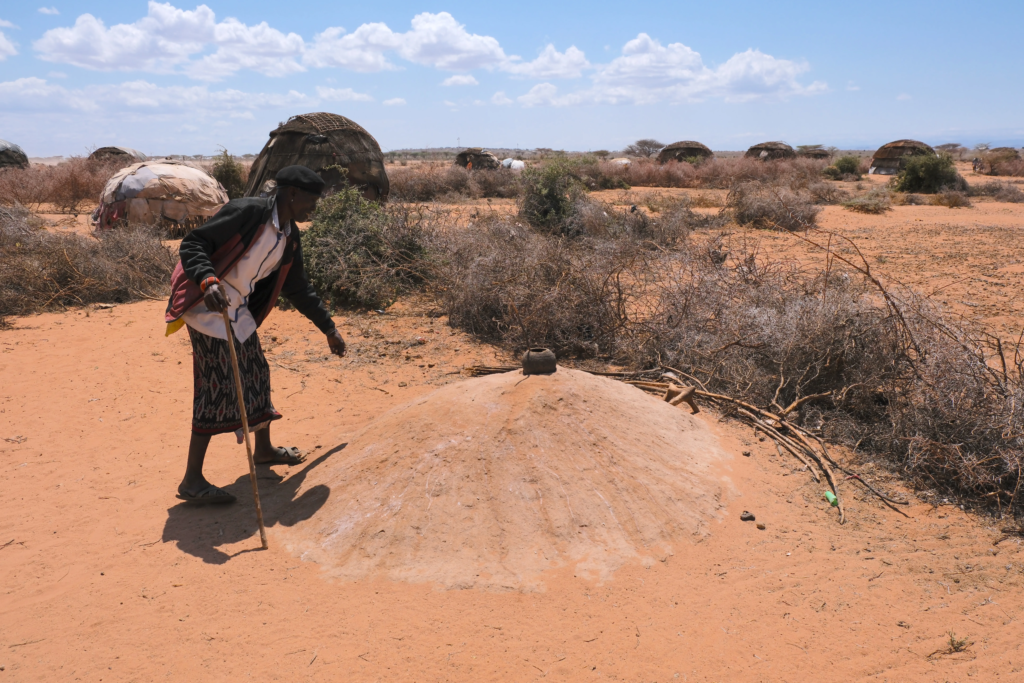
“People normally come too late. Most of the people are sick, but they don’t even know that they are sick,” a clinical officer was quoted as saying, highlighting gaps in early diagnosis and access to healthcare.
The crisis has also triggered social distress, with families reporting multiple deaths and a rising number of orphans. Some residents initially attributed the illnesses to spiritual causes, though others increasingly point to environmental contamination as a likely factor.
Former area MP Joseph Lemasolai Lekuton previously raised the issue in Parliament, citing the emergence of “strange diseases” in areas where drilling occurred and calling for investigations.
Despite longstanding concerns, residents say there has been limited government intervention.
A 2003 government team recommended restricting use of contaminated water and called for toxicological testing, but community members argue that comprehensive action has not followed.
In July 2024, the community petitioned the National Assembly of Kenya seeking an independent inquiry, access to clean water, and improved healthcare services. The petition remains under consideration.
Separately, a case filed in 2020 against government agencies accuses authorities of failing to regulate environmental practices and protect residents from harm. The matter is still pending in court.
As investigations and legal processes continue, residents of Kargi say they remain caught between uncertainty and loss, seeking accountability for a crisis they believe has spanned generations.


