




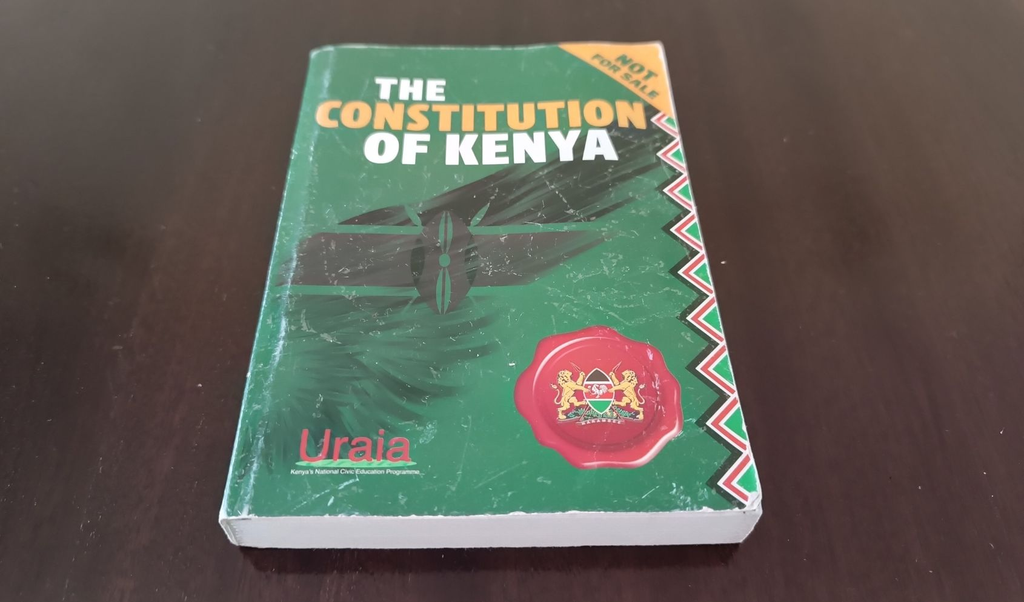
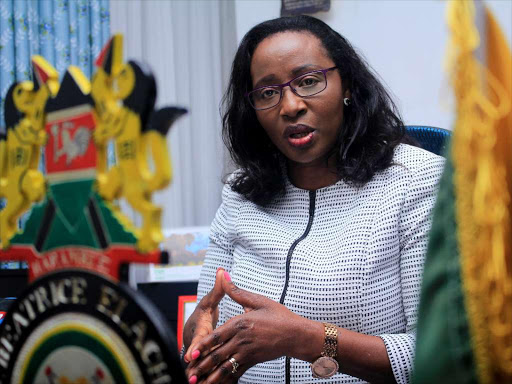
DAGORETTI, Kenya – Dagoretti North Member of Parliament Beatrice Elachi has called for a fresh audit of Kenya’s 2010 Constitution, saying 16 years after its promulgation, the country should assess its achievements, challenges and areas that may require reform.
Elachi made the remarks during a morning breakfast show on K24 TV on Thursday, August 27, 2026, as Kenya marked Katiba Day and reflected on the impact of the Constitution since its promulgation in 2010.
The MP said 16 years was sufficient time to evaluate how the Constitution had transformed governance and whether its original objectives had been fully achieved.
“When you say 16 years, then I ask myself, hey, we have come. We need to really, I think audit it. It’s time, it’s time to audit it,” Elachi said.
Elachi praises devolution
Despite calling for a constitutional audit, Elachi said Kenya had made significant gains under the 2010 Constitution, particularly through devolution.
“We have good gains, yes. We’ve made good strides,” she said.
The MP said the creation of county governments had brought resources and decision-making structures closer to citizens while fundamentally changing how development and governance are approached across the country.
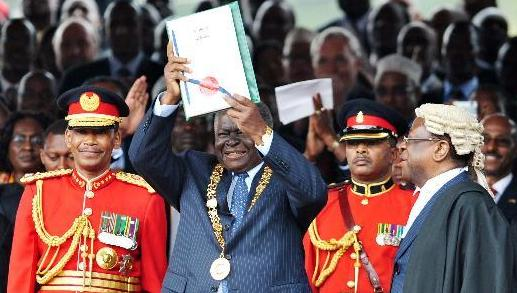
She also credited former Prime Minister Raila Odinga for championing devolution during the constitutional reform process.
“We celebrate Baba when he’s in heaven for really pushing and ensuring that pillar of devolution has worked,” Elachi said.
According to Elachi, the establishment of county governments and the allocation of resources to grassroots communities remain among the clearest achievements of the Constitution.
“You know the counties. It’s up to the person who takes over a county that needs to tell us why that county has not improved,” she said.
Governors made ‘mistake’ over county functions
However, Elachi acknowledged that implementation of devolution has faced challenges.
Reflecting on her experience in the Senate during the early years of devolution, she criticised governors for pushing to acquire as many functions as possible from the national government.
“The mistake we did, was the governors pushing so much to have all the functions. That was not a good move,” she said.
Elachi argued that Kenya could have made greater progress if the original understanding of how responsibilities would be shared between the national and county governments had been followed.
“’Cause if we just went the way according to how we had envisaged, we can grow, I know today would be far,” she added.
What a constitutional audit could examine
Elachi’s proposal comes as the debate over constitutional reform increasingly shifts towards the question of whether the existing framework has been fully implemented.
The 2010 Constitution introduced major changes to Kenya’s governance system, including devolution, an expanded Bill of Rights, independent commissions and stronger checks and balances between state institutions.
Sixteen years after its promulgation, questions remain over the effectiveness of some of these reforms.
Among the issues that could form part of a constitutional audit are the relationship between national and county governments, the financing of devolution, the distribution of functions between the two levels of government and the implementation of constitutional provisions.
A review would not necessarily mean rewriting the Constitution. It could instead provide an opportunity to establish which provisions have worked as intended, where implementation has fallen short and what institutional or legal changes may be required.


