




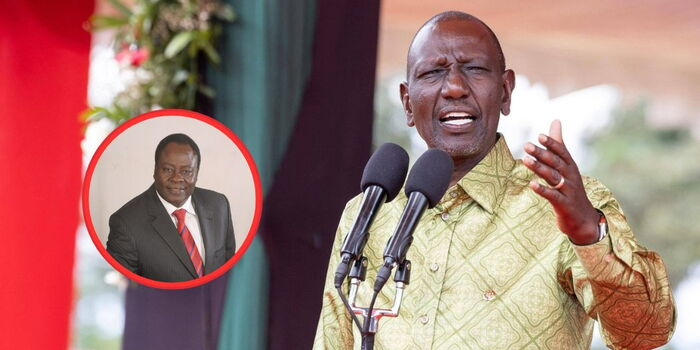
NAIVASHA, Kenya — President William Ruto has for the first time addressed a simmering family dispute over the estate of the late former Nyeri governor Nderitu Gachagua, pledging to intervene following an appeal by the deceased’s family.
Speaking in Naivasha on Sunday, Ruto said his administration would take action to resolve concerns raised in a letter sent by the family, which alleges fraud, forgery, and unlawful interference in the management of the late governor’s properties.
“You can insult me as much as you want, but I want to tell you that you must return properties belonging to the widows and orphans,” Ruto said, in remarks that signal a firm stance on the matter. “You must return the hotel in Nairobi and the house in Kilifi to those who own them.”
The president’s comments mark his first public response since the family wrote to him on March 23 seeking state intervention in the dispute. In their petition, the family claimed that a close relative had orchestrated a scheme to disinherit rightful beneficiaries through a contested will.
“We… seek justice, protection, and the restoration of dignity to a family that has endured immense suffering,” the family said in part of the letter, raising concerns that the will in question may have been forged and executed when the deceased was critically ill with metastatic pancreatic cancer.
The dispute has drawn in former Deputy President Rigathi Gachagua, who has denied the allegations and accused the president of interfering in a private family matter.
Gachagua maintained that the succession process was conducted lawfully and in accordance with the will of the deceased. “The succession law says once a will has been read to the beneficiaries, you go to court. We went to court, and before the judge in 2018, all of us agreed to the content of the will,” he said.
The row raises complex legal questions under Kenya’s succession framework, particularly the Law of Succession Act, which governs the administration of estates and provides mechanisms for challenging wills in court.
The matter also touches on constitutional protections relating to property rights and access to justice under the Constitution of Kenya 2010, particularly for vulnerable groups such as widows and orphans.


