


NAIROBI, Kenya— What if going out for drinks did not have to mean drinking alcohol?
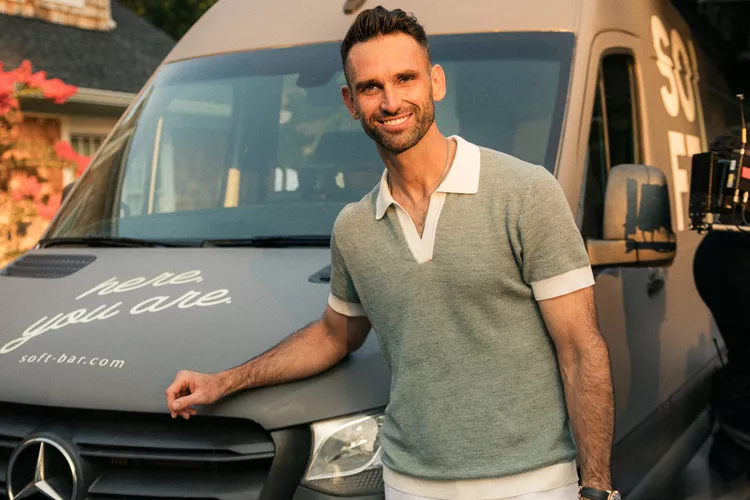
That is the idea behind Soft Bar, an alcohol-free café and bar founded by American entrepreneur and reality television personality Carl Radke, who is exploring a different approach to socialising through a business built around quality non-alcoholic drinks.
Radke, who previously worked in entertainment and alongside his friend Kyle Cooke at beverage company Loverboy, developed the idea after getting sober in 2021. He wanted to create a place where people could enjoy the atmosphere of a traditional bar without alcohol being at the centre of the experience.
What began as an idea for a non-alcoholic sports bar eventually evolved into Soft Bar, an all-day café and bar in Greenpoint, Brooklyn, catering to people who are sober, sober-curious or simply looking for alternatives to alcoholic drinks.
Radke invested more than $100,000 (approximately Sh13 million) of his own money in the venture. Working with co-founder Brian McNamee and their team, he first tested the concept through pop-ups and events before opening the physical establishment.
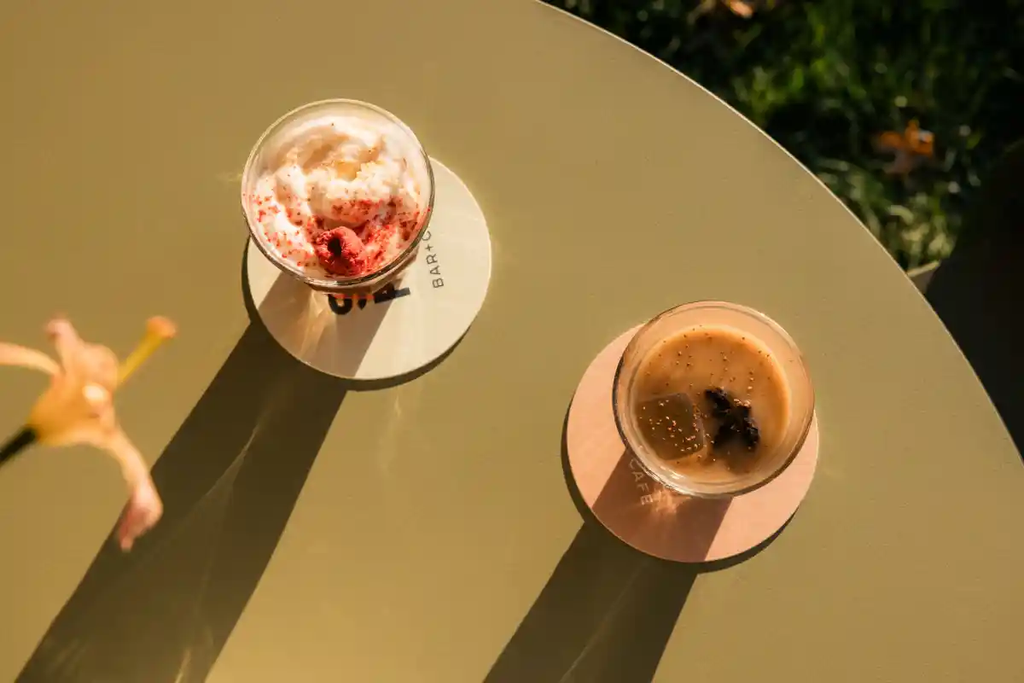
The business combines a café serving coffee and matcha with a bar offering premium non-alcoholic cocktails, creating a social environment where customers do not have to explain why they are not drinking.
Its approach offers an interesting perspective for countries such as Kenya, where alcohol abuse remains a significant public health and social concern.
What Kenya Can Learn From the Alcohol-Free Business Model
According to the National Authority for the Campaign Against Alcohol and Drug Abuse (NACADA), approximately 4.7 million Kenyans aged between 15 and 65 were using at least one drug or substance of abuse, based on its 2022 national survey.
Alcohol accounted for approximately 3.2 million users, making it the most widely consumed substance of abuse captured in the survey.
More concerning, the findings estimated that approximately 1.36 million Kenyans were addicted to alcohol, while 42.4 per cent of current alcohol users were classified as having severe substance use disorders.
The survey also highlighted the vulnerability of young people, with more than 632,000 people aged 15 to 24 reported to be using at least one substance.
These figures, which remain the key national survey estimates cited in NACADA’s 2025 national drug policy, highlight the need for more effective prevention, treatment and rehabilitation interventions.
While alcohol-free establishments are not a substitute for addiction treatment, businesses such as Soft Bar point to an additional opportunity: making socialising without alcohol a more attractive and normalised choice.
In many social settings, alcohol is closely associated with entertainment, celebrations, networking and nightlife. People who choose not to drink can sometimes feel excluded or pressured to participate.
An establishment built around non-alcoholic drinks challenges that expectation by offering the same social experience without requiring alcohol consumption.
For someone recovering from alcohol dependence, such an environment could also provide an alternative to settings where drinking is the main attraction. For others, it could encourage healthier drinking habits before problematic consumption develops.
The concept could be particularly relevant to young adults, who are among the groups highlighted in NACADA’s findings on substance use.
Rather than relying exclusively on warnings about the dangers of alcohol, businesses could help make alcohol-free lifestyles appealing through experiences, products and social spaces that people actively want to embrace.

An Opportunity for Kenyan Entrepreneurs
Radke’s venture also raises an interesting business opportunity for Kenya’s hospitality and beverage industries.
Alcohol-free cafés, social bars and entertainment spaces could create new markets for entrepreneurs while giving consumers more choices.
Such establishments could serve sophisticated mocktails, fresh juices, speciality teas, coffee, locally sourced fruit beverages and other carefully developed non-alcoholic drinks.
Kenya’s agricultural diversity and established hospitality industry could provide opportunities to develop distinctive products using locally available ingredients.
Beyond the drinks themselves, entrepreneurs could build businesses around live entertainment, sports screenings, music, networking events, game nights and community gatherings.
The key would be to sell an experience rather than simply market the absence of alcohol.
Radke has emphasised that a good non-alcoholic drink must stand on its own rather than feel like an afterthought. His approach places product quality, branding and community at the centre of the business.
That is also reflected in how Soft Bar developed. Rather than immediately committing to a permanent location, Radke and his co-founder tested the concept through pop-ups and events, allowing potential customers to experience the products before making a larger investment.
His advice to aspiring entrepreneurs is to start small, get products or services into the hands of real customers and establish what makes them return before committing significant resources.
Soft Bar has since expanded beyond its original café-and-bar concept to include community events, a podcast recording studio and activities designed to bring people together.
Can Alcohol-Free Social Spaces Help Reduce Addiction?
The potential public health contribution of businesses such as Soft Bar lies in changing the relationship between socialising and alcohol.
Prevention does not only involve discouraging people from using harmful substances. It can also involve creating environments and alternatives that make healthier choices easier.
For people who are sober or trying to reduce their alcohol consumption, having places where drinking is not expected could make social participation more comfortable.
For those in recovery, carefully designed alcohol-free spaces could offer opportunities to rebuild social connections without the pressure of alcohol-centred entertainment. However, recovery support should be guided by appropriate professional and community-based interventions.
There is also a prevention opportunity among people who have not developed alcohol dependence but want to reduce their consumption.
If alcohol-free social experiences become more visible and commercially attractive, they could help challenge the assumption that having a good time requires drinking.
This does not mean non-alcoholic bars alone can solve Kenya’s addiction problem. Affordability, accessibility, public awareness, effective regulation and investment in treatment services remain essential.
However, Radke’s experience demonstrates how a personal challenge can inspire a business model that responds to a wider social need.
For Kenyan entrepreneurs, the opportunity may be to rethink the traditional bar and nightlife experience, creating spaces where people can connect, celebrate and enjoy themselves without alcohol being the price of admission.

