NAIROBI, Kenya – The habits you build in your 30s could play a significant role in determining how well you age, influencing everything from muscle strength and heart health to memory, balance and independence in your 70s.
Although ageing naturally brings changes in the body, researchers increasingly believe that many aspects of physical and cognitive decline can be delayed through healthier lifestyle choices made earlier in life.
Experts say the goal is not to stop ageing altogether, but to build enough physical and mental resilience to remain active and independent for longer.
While it is never too late to improve your health, your 30s offer an important opportunity to strengthen the systems that support you throughout later life.
1. Build Strong Muscles Before Ageing Takes Its Toll
Muscle mass, strength and physical performance can gradually decline with age. Building strength while you are younger may help create a reserve that protects your mobility as the years pass.
Exercise specialists say people should pay particular attention to the muscles in their legs, hips and lower body because these are essential for walking, climbing stairs, maintaining balance and recovering from unexpected movements.
Activities such as resistance training, squats, lunges, cycling and recreational sports can help build strength and improve physical function.
Maintaining strong muscles may also reduce the risk of falls, which can threaten independence among older adults.
The aim is to develop a level of strength and fitness that allows you to continue performing everyday activities comfortably as you grow older.

2. Make Walking Part Of Your Daily Routine
You do not necessarily need an expensive gym membership or an intense exercise programme to improve your long-term health.
Even a brisk 15-minute walk after a meal can be a useful way to increase daily physical activity.
Regular movement supports cardiovascular health, helps regulate blood sugar and can contribute to maintaining a healthy weight. Over time, these benefits may reduce the risk of several conditions associated with ageing.
Research has also linked regular participation in activities such as tennis, badminton and cycling with better health outcomes in older age.
The most important factor is consistency. Finding an activity you enjoy makes it easier to maintain the habit for years, rather than exercising intensely for a short period before giving up.
People who are new to exercise should start at a manageable level and gradually increase the duration or intensity as their fitness improves.

3. Protect Your Brain By Taking Sleep Seriously
Sleep is not simply a period of rest. It plays an important role in recovery, metabolism, memory and the regulation of several bodily processes.
Experts say maintaining a consistent sleeping schedule may support healthier ageing, while persistent poor sleep has been associated with adverse health outcomes, including problems affecting cognitive function.
One practical step is to go to bed and wake up at approximately the same time every day, including weekends.
A regular routine can help keep the body’s internal clock aligned with the natural 24-hour cycle.
Reducing late-night screen use, limiting caffeine late in the day and creating a comfortable sleeping environment may also improve sleep quality.
Alcohol can interfere with normal sleep patterns, even when it initially makes someone feel drowsy.
Although a perfect routine is not always possible, particularly for people raising young children or working irregular hours, making sleep a priority can support other healthy habits.

4. Cut Back On Excessive Alcohol Consumption
Reducing alcohol intake in your 30s may help protect your health over the long term.
Alcohol consumption has been associated with several adverse health effects, including disrupted sleep and increased risks of certain chronic conditions. Some research has also examined links between alcohol exposure and biological processes associated with ageing.
Cutting back can improve sleep quality and make it easier to maintain an active lifestyle.
People who drink regularly can start by tracking their consumption, reducing the frequency of drinking occasions and avoiding heavy drinking sessions.
The benefits of reducing alcohol use are not limited to later life. Changes may also improve sleep, energy levels and general wellbeing in the present.

5. Eat More Fruit And Vegetables
The foods you regularly eat can influence your long-term health, making your 30s a useful time to establish sustainable nutritional habits.
Experts recommend eating a varied diet that includes vegetables, fruits, whole grains, legumes, nuts and appropriate sources of protein, while limiting excessive consumption of ultra-processed foods high in salt, added sugar and unhealthy fats.
Particular attention has been given to carotenoids, natural plant compounds found in foods such as carrots, sweet potatoes, mangoes and apricots.
These compounds have antioxidant properties and may help protect cells from oxidative stress, a process associated with ageing and several chronic conditions.
However, no single food can prevent ageing or guarantee protection against disease. The overall quality and consistency of a person’s diet matter more than relying on one supposedly powerful ingredient.
Building balanced eating habits early can also make it easier to maintain a healthy weight and support heart and metabolic health later in life.

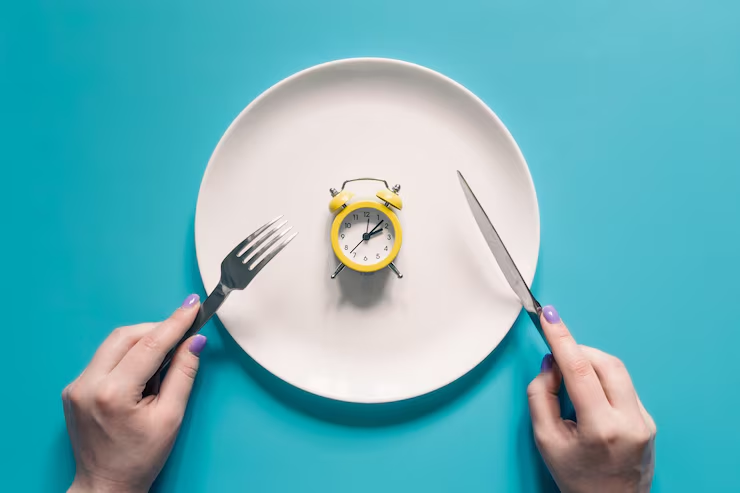
6. Give Your Body A Consistent Break From Eating
The timing of meals is another area researchers are examining in relation to metabolic health and ageing.
Intermittent fasting involves alternating periods of eating with periods when no food is consumed. One common approach is the 16:8 method, which involves fasting for 16 hours and eating within an eight-hour window.
A less restrictive 12:12 routine, involving 12 hours of eating and 12 hours without food, may be easier for some people to maintain.
However, evidence on the long-term benefits of intermittent fasting for extending healthy lifespan remains developing. It should not be viewed as a guaranteed way to slow ageing, and the quality of food consumed remains important.
People with medical conditions, a history of eating disorders, or particular nutritional needs should seek professional advice before trying restrictive eating schedules.
For many adults, starting with regular meal times, reducing late-night snacking and avoiding constant grazing may be a more manageable approach.
7. Look After Your Teeth To Support Your Brain
Dental health may have implications beyond maintaining a healthy smile.
Studies have linked periodontal disease, a condition involving inflammation and infection of the gums, with an increased risk of cognitive decline. Researchers are investigating whether chronic inflammation could help explain this association, although the relationship does not establish that gum disease directly causes dementia.
Maintaining good oral hygiene is nevertheless a practical step that can support overall health.
Brush your teeth regularly with fluoride toothpaste, clean between your teeth and attend dental check-ups. Avoid smoking and limit frequent consumption of sugary foods and drinks, which can contribute to dental problems.
Treating gum disease and other oral health conditions promptly may help prevent complications and preserve your teeth as you age.

Why Your 30s Could Shape Your 70s
Long-term studies tracking people over several decades have found that healthier lifestyle patterns during midlife are associated with lower risks of cardiovascular disease, cognitive decline and frailty in later years.
These findings suggest that the effects of everyday choices can accumulate over time.
Regular exercise helps maintain physical capacity, nutritious food supports essential bodily functions, sleep allows recovery, and avoiding harmful habits can reduce exposure to preventable health risks.
None of these measures can guarantee that a person will avoid illness or remain physically strong throughout old age. Genetics, living conditions, access to healthcare and other factors also influence how people age.
However, building healthy routines early may improve the chances of preserving strength, mobility and mental function for longer.
The key is to focus on habits that can be sustained: move regularly, strengthen your muscles, eat a balanced diet, sleep consistently, limit alcohol and maintain good oral hygiene.
Hear this: your 70s may seem far away, but the choices you make today can help lay the foundation for a healthier, more independent future.