


Magnesium has recently become one of the most talked-about minerals online, with social media wellness trends pushing everything from “sleep drinks” to magnesium gummies as quick fixes for stress and fatigue.
But beyond the viral hype, magnesium is not new. It is one of the body’s most essential minerals, quietly powering hundreds of processes that keep you functioning every day.
Instead of relying on trends or supplements alone, the most sustainable way to get magnesium is still the simplest: food.
What is Magnesium and Why Does It Matter?
Magnesium is a naturally occurring mineral that the body needs for proper functioning. It plays a role in more than 300 biochemical reactions, including energy production, muscle movement, nerve function, and maintaining a steady heartbeat.
It also contributes to relaxation in the body, which is why it is often linked to better sleep quality and reduced feelings of stress. When magnesium levels are low, people may experience symptoms like tiredness, muscle cramps, irritability, or difficulty sleeping.
Why Magnesium is Trending Right Now
The recent surge in interest is largely driven by social media wellness culture. Platforms like TikTok and Instagram have popularised magnesium as a “calm mineral,” often featured in bedtime routines and stress-relief drinks.
One of the most viral trends is the so-called “sleepy girl mocktail,” a mix of magnesium powder and juice taken before bed. Influencers also promote magnesium gummies, sprays, and capsules as solutions for anxiety, poor sleep, and fatigue.
Natural Sources of Magnesium You Can Eat Daily
The good news is that magnesium is found in many common foods. You do not need expensive supplements or exotic diets to get enough of it.
Leafy Green Vegetables
Leafy greens are among the richest natural sources of magnesium because of their chlorophyll content. Some easy options include:
- Spinach
- Kale
- Sukuma wiki (collard greens)
- Swiss chard
These vegetables can be added to stews, sautéed as a side dish, or blended into smoothies. In many households, they are already part of everyday meals without people realising their nutritional value.
Nuts and Seeds
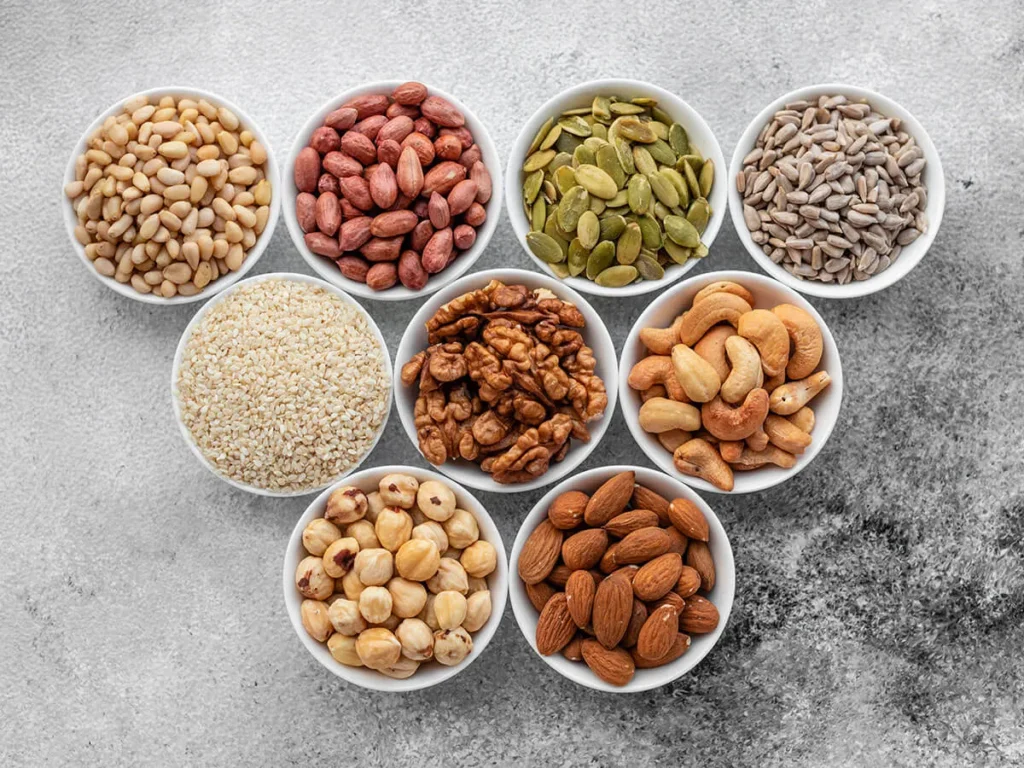
Nuts and seeds are small but powerful sources of magnesium. They are also convenient for snacking or adding to meals.
- Pumpkin seeds (one of the highest sources)
- Almonds
- Cashews
- Sunflower seeds
A handful of nuts as a snack or a sprinkle of seeds over breakfast oats or salads can significantly contribute to your daily magnesium intake.
Whole Grains
Refined grains lose much of their magnesium during processing, which is why whole grains are a better choice. Examples include:
- Brown rice
- Oats
- Whole wheat bread
- Quinoa
Switching from refined to whole grains is one of the simplest long-term dietary upgrades for better nutrition, including magnesium intake.
Legumes and Beans
Legumes are affordable, filling, and rich in magnesium, making them a strong staple in many diets.
Common sources include:
- Beans
- Lentils
- Chickpeas
They can be used in stews, soups, salads, or even mashed into spreads like hummus.
Dark Chocolate (Yes, Really)

Dark chocolate is one of the more surprising sources of magnesium. The higher the cocoa content, the better.
Look for 70% cocoa and above
In moderation, dark chocolate can be a satisfying way to contribute to magnesium intake while also satisfying sweet cravings.
Fruits and Everyday Foods
Some fruits and commonly eaten foods also contain moderate amounts of magnesium.
These include:
- Avocados
- Bananas
- Dried figs
While not as dense as nuts or seeds, they still contribute to overall intake when eaten regularly.
Animal-Based Sources
Animal products contain smaller amounts of magnesium compared to plant foods, but they still contribute.
They include:
- Salmon
- Chicken
- Dairy products like milk and yoghurt
These are best seen as complementary sources rather than primary ones.
Easy Ways to Add Magnesium to Your Daily Routine
Getting enough magnesium does not require a complicated diet. Small, consistent changes are often enough.
- Add spinach or kale to eggs in the morning
- Snack on nuts instead of processed snacks
- Sprinkle pumpkin seeds on salads, rice, or yoghurt
- Replace white rice with brown rice a few times a week
- Include beans or lentils in at least one meal daily
- Choose oats for breakfast instead of refined cereals
These small habits build up over time and naturally improve magnesium intake without extra effort.

