


LONDON, UK – Twenty women underwent mastectomies that could have been avoided while receiving breast cancer treatment at an NHS trust in north-east England, according to an investigation by the BBC.
The women were among hundreds of patients who are reported to have suffered harm at the breast unit of County Durham and Darlington NHS Foundation Trust (CDDFT).
The trust has launched an internal review of breast cancer cases following revelations of serious failures at the unit, while police and the National Crime Agency are investigating allegations made by former patients.
315 patients found to have suffered harm
CDDFT is reviewing breast cancer cases treated between January 2023 and February 2025, alongside cases raised by 640 former patients who contacted a dedicated helpline.
Of 514 cases reviewed so far, 315 patients have been found to have suffered harm, including 77 who were classified as having suffered significant harm.
The trust also says one patient is known to have died.
The review has identified cases in which breast cancer diagnoses were missed or delayed. According to the BBC, some patients whose diagnoses were delayed subsequently developed cancer that had spread.
The trust is considering whether to extend the review to cases dating back to 2015, potentially bringing up to 10,000 additional medical records into the investigation.
Women told mastectomies could have been avoided
Several former patients have told the BBC about the physical and psychological impact of being informed that breast removal surgery they underwent may not have been necessary.
One of them, Denise Howarth, 51, from Consett in County Durham, was diagnosed with grade-one breast cancer in 2023 after discovering a lump.
She initially underwent a lumpectomy before later having a mastectomy, alongside chemotherapy and radiotherapy.
In September 2025, Howarth was contacted by the NHS and told she could have been offered another lumpectomy instead of having the entire breast removed.
A subsequent letter from CDDFT acknowledged that the alternative treatment had not been discussed with her.
Howarth told the BBC that the trust’s apology could not undo the physical consequences of the treatment.
Former NHS worker says surgery could have been avoided
Another woman, identified by the BBC as Jo, said she contacted the trust’s helpline over a mastectomy she underwent in 2021.
She was subsequently informed that the procedure could have been avoided.
Jo, a former NHS worker, said she had trusted the clinicians involved in her treatment and has described the experience as having left lasting physical and emotional effects.
The BBC has withheld her real name.
Breast unit faced concerns over treatment practices
The consultant overseeing the care of several affected women was Amir Bhatti, who served as CDDFT’s clinical lead for breast services from 2013 to 2024.
Bhatti has since been suspended from clinical practice but remains employed by the trust on full pay.
The BBC previously reported that almost £6 million had been paid by the trust over six years to private breast cancer diagnostic and surgical clinics operated by companies associated with Bhatti.
A 2025 review of the trust’s governance raised concerns that outsourcing patient appointments could create financial incentives that posed risks to clinical standards.
CDDFT chief executive Steve Russell told the BBC that the trust recognised that a conflict of interest had not been properly managed.
The trust has since ended the arrangement for breast cancer services.
Royal College of Surgeons raised concerns
A previous review by the Royal College of Surgeons identified concerns about the way breast cancer cases were discussed at multidisciplinary team meetings.
Such meetings are intended to bring together surgeons, radiologists, pathologists and other specialists to review treatment plans before major decisions are made.
According to the review cited by the BBC, there was limited evidence that the breast unit was properly contributing to these discussions, with some treatment decisions apparently relying on the views of individual surgeons.
The review also raised concerns about practices including repeated breast procedures, low uptake of immediate reconstruction following mastectomy and operations that may have been performed too quickly.
A separate governance review raised concerns about the competence of some locum consultants and noted that Bhatti had previously raised concerns about delays in obtaining diagnostic equipment.
Police and NCA investigate allegations
The National Crime Agency (NCA) is working with Durham Police to investigate allegations made by former patients and determine whether criminal offences may have occurred.
CDDFT said it was cooperating fully with the investigation and providing information requested by investigators.
Russell, who recently became the trust’s chief executive, has apologised to patients affected by the failures.
He told the BBC that he was personally distressed by what had happened and described the reported failures as unacceptable.
Patients call for public inquiry
Former patients have formed a support group where women and their families can share their experiences and seek answers about the treatment they received.
Some members of the group say they have received formal apologies from the trust but want to know who was responsible for the failures.
The group is also calling for a public inquiry into the problems at the breast unit.
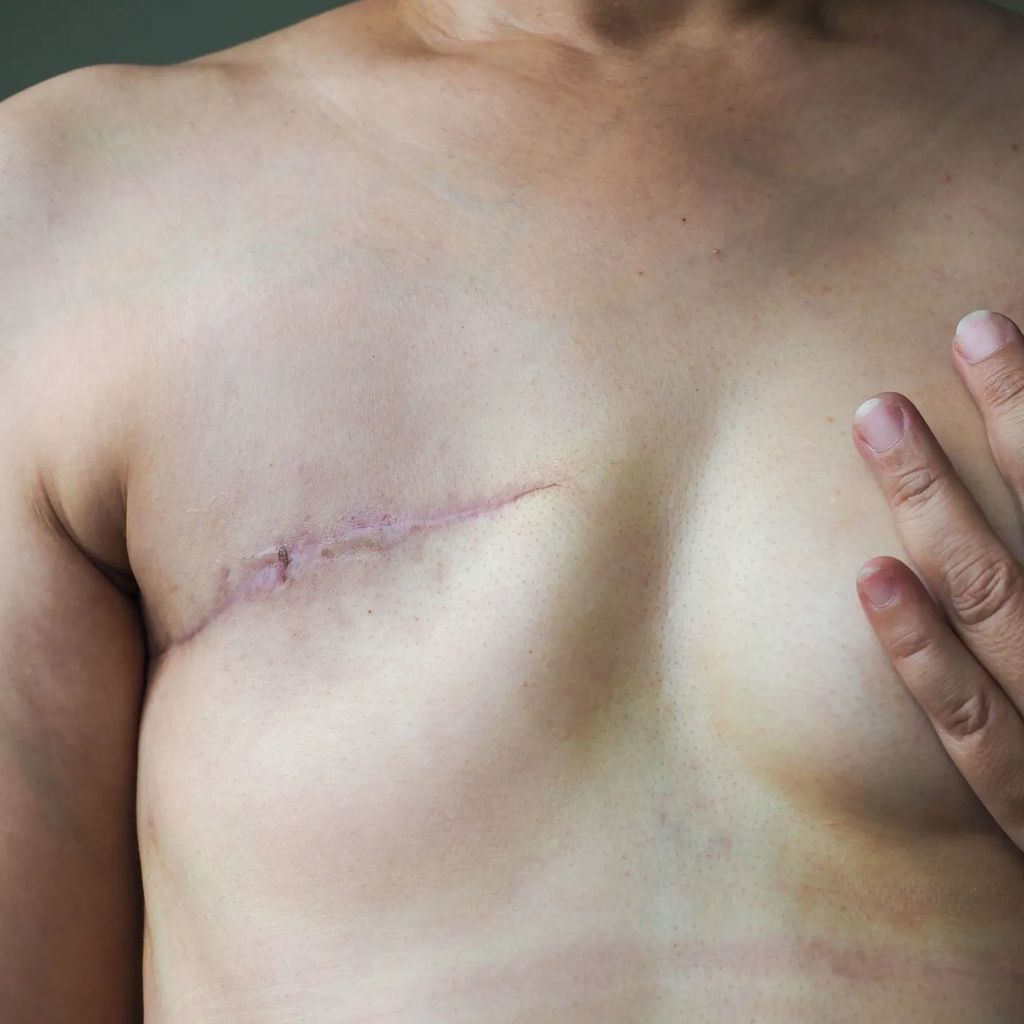
Former breast cancer surgeon Liz O’Riordan, who reviewed photographs of one patient’s surgical scarring for the BBC, described the injuries as severe and said patients undergoing breast cancer surgery should receive treatment in line with established clinical guidelines.
Trust works with NHS England and regulators
The Department of Health and Social Care said its thoughts were with the affected women and their families but declined to comment further on the historical failures while investigations remain ongoing.
It said the trust was working with NHS England, the Care Quality Commission and independent experts to address the problems and improve patient safety.
Bhatti, approached by the BBC for comment, said he remained committed to the ongoing trust investigation and that it would be inappropriate for him to discuss the matter while proceedings were continuing.
For the women who have already been told their mastectomies could have been avoided, however, the consequences are permanent.
The ongoing reviews and investigations are expected to establish the extent of the failures, how they occurred and whether further patients were affected.

