





Children who deny breaking a toy, hide stolen sweets or blame the family pet for a mess may not simply be misbehaving. Experts say early deception can be part of normal cognitive and emotional development.
The ability to lie, when it emerges as children grow, can show that they are beginning to understand that other people have thoughts, feelings and knowledge different from their own.
This ability, known as theory of mind, helps children develop empathy, communicate more effectively and understand how their actions affect others.
However, experts say parents should respond to dishonesty in ways that encourage children to feel safe enough to tell the truth, rather than relying on fear or punishment.
What the research reveals
A study led by researchers at the University of Bristol found that some children begin showing an understanding of deception before their first birthday.
The research involved parents of more than 750 children aged between zero and 47 months in the United Kingdom, United States, Australia and Canada.
Researchers identified 16 different forms of deception, including hiding objects, pretending not to hear, denying wrongdoing, making excuses and secretly engaging in forbidden activities.
The study estimated that around a quarter of children could understand some form of deception by 10 months, with the proportion rising as they grew older. By the age of three, children were found to be more creative and proficient in their attempts to mislead others.
At around two years, deception may involve relatively simple behaviour, such as denying having done something, pretending not to hear instructions or carrying out prohibited activities when a parent is not watching.
By three, children can become more sophisticated. They may leave out important details when explaining an incident, such as admitting that a sibling hit them while omitting that they had started the disagreement.
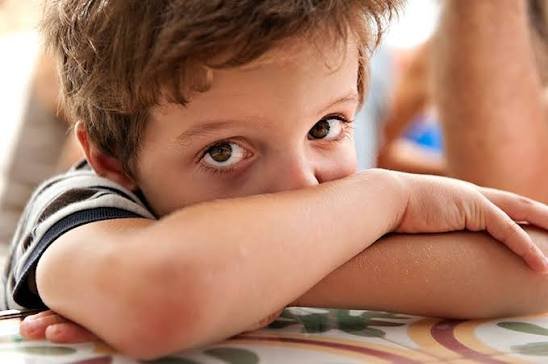
Why lying can be part of development
Psychologists explain that deception can reflect a child’s growing understanding that other people have separate thoughts, feelings and intentions.
This is known as theory of mind. It enables children to recognise that someone else may not know what they know, or may see a situation differently.
The ability is important in developing empathy and social understanding. However, researchers caution against treating every lie as proof of advanced intelligence or emotional maturity.
The 2026 study relied largely on parents’ reports of children’s behaviour rather than observing every child directly. Its findings therefore provide insight into reported early deception, not a definitive measure of every child’s cognitive development. University of Bristol+1
Why children may lie to their parents
Fear of punishment or disappointing a caregiver can also motivate children to hide the truth.
Experts say children depend on their caregivers for security and affection, meaning they may sometimes lie to avoid conflict or protect an important relationship.
A child who breaks something, for example, may initially deny responsibility because they fear being shouted at or losing a parent’s approval.
Creating an environment where children can admit mistakes without facing an angry reaction can make honesty easier.
How parents can encourage honesty
Experts advise parents to remain calm when a child admits wrongdoing and to focus on understanding what happened rather than immediately reacting with punishment.
Giving a child some space to explain themselves can also help. One parenting example involved a child who initially denied damaging a sibling’s bicycle after an accident.
The parent reassured the child that telling the truth would not automatically lead to severe punishment, then allowed some time for the child to process the situation.
The child eventually admitted responsibility, allowing the family to discuss the incident without shouting or intimidation.
Experts say this approach helps children understand that honesty is safer than hiding mistakes.
Parents can also use everyday conversations to teach empathy, explaining why certain comments may hurt another person’s feelings.
For instance, children may need guidance on how to respond politely when they dislike a gift or notice something about another person’s appearance.