




NAIROBI, Kenya — The Ministry of Health has stepped up preparations for the inaugural Kenya Health Summit 2026, with the government highlighting progress under its health reforms and calling for closer scrutiny of their impact on ordinary Kenyans.
The two-day summit, scheduled for August 18–19 at the Kenyatta International Convention Centre (KICC), will bring together national and county governments, development partners, healthcare institutions, private-sector players, health professionals and citizens to assess the country’s health transformation and shape the next phase towards Universal Health Coverage.
The summit will be held under the theme “Reforms Delivered, Health as a Right.”
During a media engagement led by Health Cabinet Secretary Aden Duale, the Ministry outlined key milestones under the government’s Taifa Care Model, which seeks to expand access to quality healthcare regardless of income, location or other circumstances.
More than 31.2 million Kenyans have registered with the Social Health Authority (SHA), according to the Ministry. The authority has processed nearly 7.9 million claims and paid approximately Sh164 billion.
The government said registered Kenyans can also access services at Level 2, 3 and 4 health facilities through the Primary Healthcare Fund without making payments at the point of care.
Government Expands Primary Healthcare
The Ministry said more than 107,000 Community Health Promoters (CHPs) are now supporting preventive, promotive and basic healthcare services at household level.
The CHPs are supported through 277 Primary Care Networks, which are intended to bring healthcare services closer to communities and strengthen the country’s primary healthcare system.
The government is also investing in local pharmaceutical manufacturing, essential medicines, medical equipment and health infrastructure as part of efforts to strengthen the health system.
Public health preparedness is another area highlighted by the Ministry, with investments in emergency operations centres, disease surveillance and field epidemiology.
The National Ambulance Dispatch Centre and toll-free 922 emergency line have also been established to provide a coordinated platform for accessing emergency medical services regardless of a person’s location or SHA registration status.
Ministry Calls for People-Centred Assessment
The Ministry said the success of the reforms should ultimately be judged by their effect on people’s lives rather than statistics alone.
It cited mothers receiving safe maternity care, patients accessing treatment without financial hardship and families obtaining quality healthcare closer to their homes as key measures of progress.
The Ministry also urged journalists covering the health sector to go beyond official figures by engaging experts, visiting health facilities and speaking to healthcare workers, patients and communities.
The approach, officials said, would help establish what is working, identify gaps and highlight areas requiring improvement as the country continues implementing health reforms.
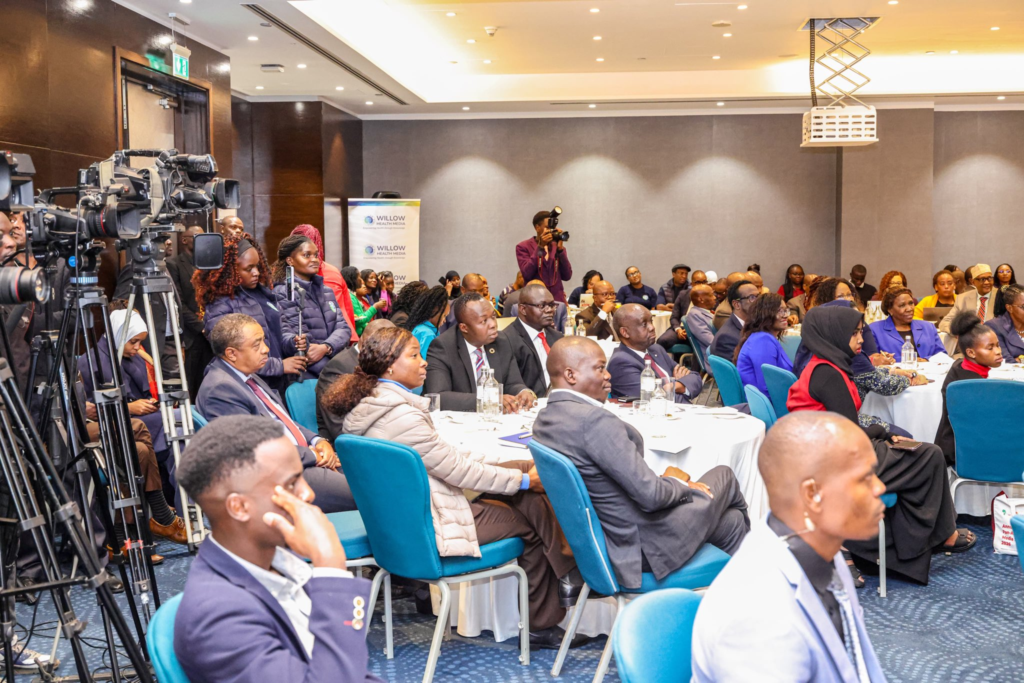
The media engagement brought together Principal Secretaries Dr Ouma Oluga and Mary Muthoni, Director-General for Health Dr Patrick Amoth, Council of Governors Chief Executive Officer Mary Mwiti, Kenya Editors Guild Chief Executive Officer Linda Bach, development partners, media representatives, chief executives of health-sector state corporations and senior Ministry officials.


