




KAMPALA, Uganda – Uganda’s Tooro Kingdom is mourning the death of Omukama Oyo Nyimba Kabamba Iguru Rukidi IV, who died on Thursday night, August 27, 2026, after being reported critically ill earlier in the day.
The death of King Oyo brings an end to a nearly 31-year reign that began when he was only three years old, making him the world’s youngest reigning monarch at the time.
Tooro Kingdom Prime Minister Calvin Armstrong Rwomiire Akiiki announced the monarch’s death, describing the loss as immeasurable for the royal family, the people of Tooro and Uganda.
“It is with profound sadness and a heavy heart that I announce the passing of His Majesty the Omukama of Tooro,” Rwomiire said.
He used the traditional phrases “Omukama Atulize. Enkuba Etutire” and called on Abatooro to remain united, calm and prayerful as the kingdom begins preparations for mourning and burial.
An official statement on funeral arrangements is expected to be issued by the kingdom.
King Oyo was critically ill
The death announcement came hours after Tooro Kingdom confirmed that the king was critically ill and appealed to his subjects, friends and well-wishers in Uganda and abroad to pray for his recovery.
The kingdom had earlier urged the public to avoid speculation and rely on official communication concerning the monarch’s health.
Earlier in August, palace officials had dismissed reports about King Oyo’s health, saying he was abroad for official engagements and studies.
By Thursday afternoon, however, kingdom authorities and Uganda’s Local Government Minister Balaam Barugahara confirmed that the king was receiving medical treatment in the United States.
The kingdom did not immediately disclose the official cause of death.
King Oyo became monarch at three
Born on April 16, 1992, Oyo was the son of the late Omukama Patrick David Matthew Kaboyo Rwamuhokya Olimi III and Queen Mother Best Kemigisa.
He became Omukama of Tooro on September 12, 1995, following the sudden death of his father.
At just three years old, Oyo became the world’s youngest reigning monarch. His accession attracted international attention as the young king was guided through the responsibilities of the traditional institution by the royal family and regency structures.
He later underwent a formal adult coronation and continued to serve as a prominent cultural figure in western Uganda.
King Oyo’s legacy
During his reign, King Oyo was associated with initiatives in several areas, including education, healthcare, environmental conservation, tourism and youth development.
His position as Omukama gave him an important cultural role in Tooro, one of Uganda’s constitutionally recognised traditional kingdoms.
The kingdom’s traditional institutions have continued to play a role in preserving cultural identity, customs and heritage despite having no direct political power under Uganda’s modern constitutional system.
King Oyo’s death therefore represents a major transition for a kingdom whose subjects had known him as their monarch since childhood.
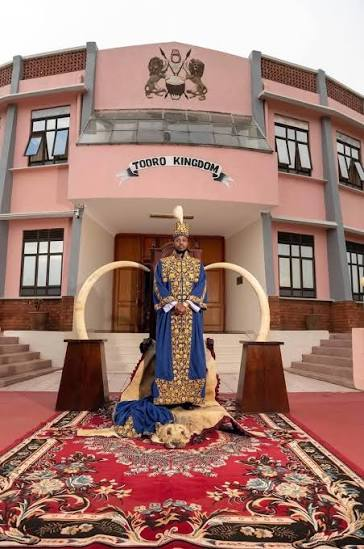
Succession plans
Tooro Kingdom has indicated that the continuity of the Crown is assured, saying King Oyo leaves behind a prince who is expected to become the next monarch.
However, the identity of the heir has not yet been publicly announced.
The kingdom said the identity would be revealed “at the appropriate time, in accordance with the traditions and customs of the Tooro Kingdom.”
The palace has called for restraint and respect for the royal family as preparations for the funeral and succession process get underway.
Further details on the burial, mourning arrangements and succession are expected to be communicated by the kingdom.
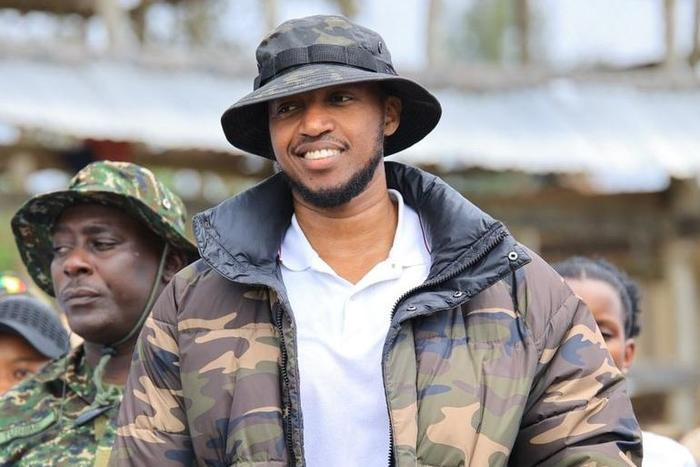
A historic reign comes to an end
King Oyo’s death closes one of the most distinctive royal chapters in Uganda’s modern history.
He inherited the Tooro throne as a toddler and grew into the role over three decades, becoming a recognised cultural leader in Uganda and beyond.
His passing leaves the Tooro Kingdom preparing not only to mourn a monarch who had occupied the throne for most of his life, but also to begin the traditional process of transitioning the Crown to the next generation.


