





Jewelry trends come and go, but some styling techniques evolve into lasting fashion statements. Ring stacking is one of them.
Once reserved for wedding bands and fine jewelry collections, stacking rings has transformed into a personal style movement embraced by fashion enthusiasts, celebrities, and everyday jewelry lovers alike.
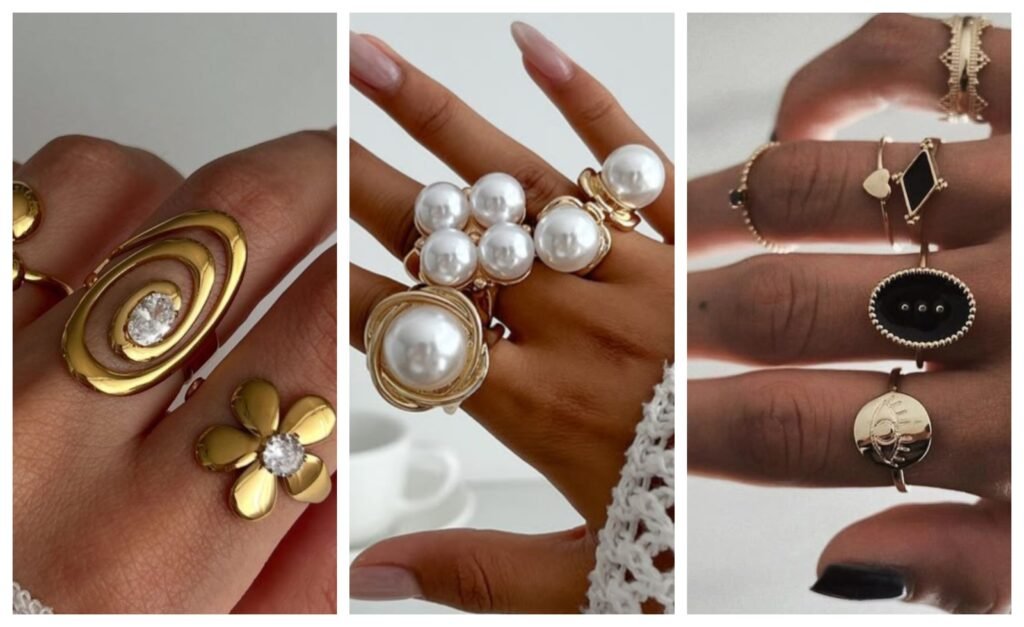
From minimalist gold bands to bold gemstone pieces, ring stacking allows people to tell a visual story through their accessories. Whether someone prefers delicate, understated pieces or dramatic statement rings, stacking offers endless possibilities.
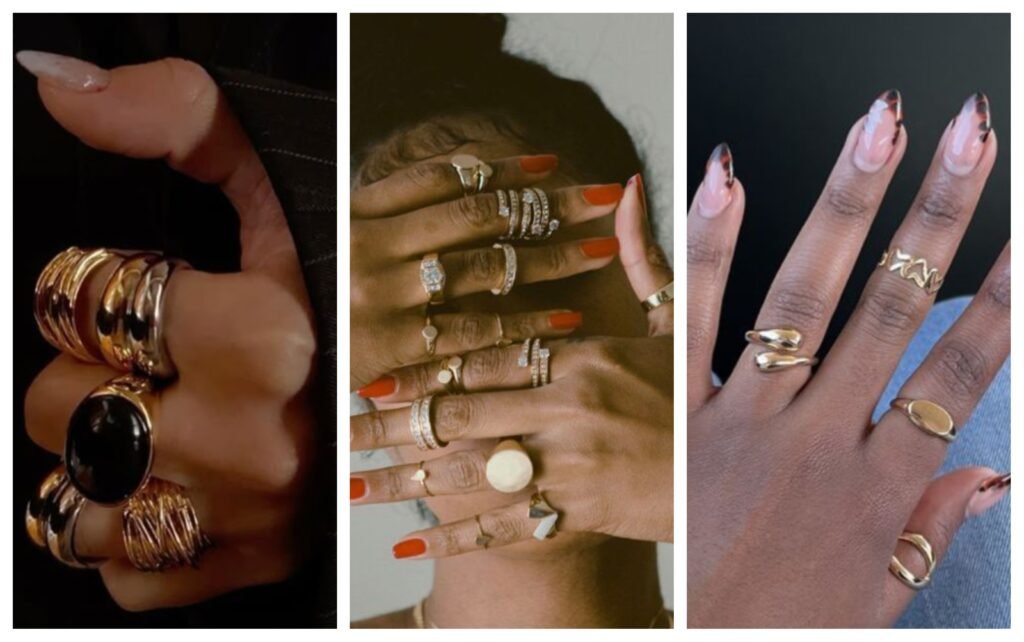
But while the concept sounds simple (wear several rings at once), creating a polished stack requires balance. Without some structure, multiple rings can quickly look cluttered rather than curated.
The difference between an effortless layered look and an overcrowded hand often lies in understanding proportions, textures, placement, and styling harmony.
Why Ring Stacking Has Become So Popular
Part of ring stacking’s appeal lies in its versatility. Unlike many fashion trends that cater to a specific aesthetic, stacking works across multiple styles.
Minimalists may choose thin bands with subtle details, while maximalists might combine gemstones, signet rings, midi rings, and textured designs.
The look can shift depending on the occasion as well. A simple stack may feel appropriate for work or casual outings, while a more elaborate arrangement can elevate evening wear.
Social media has also played a significant role in the popularity of layered jewelry.
Platforms such as Instagram and Pinterest have turned carefully styled hands into a fashion category of their own, inspiring people to experiment with combinations they may never have considered before.
But beyond trends and aesthetics, ring stacking offers flexibility. Existing pieces can be restyled repeatedly without purchasing an entirely new collection.
Start with an Anchor Piece
The strongest stacks usually have one focal point, often referred to as an anchor piece. This becomes the center of attention and creates structure for the entire arrangement.
An anchor ring can be:a gemstone ring, a signet ring, an engagement ring, a chunky metal band, a unique vintage piece
Once the anchor is selected, other rings should complement rather than compete with it.
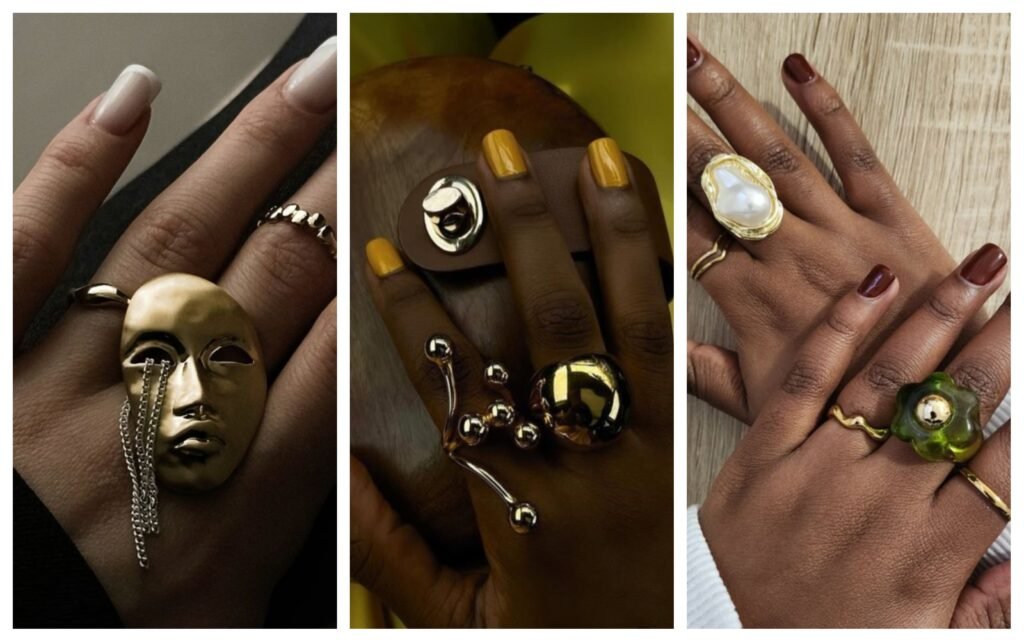
For example, a large emerald-cut ring can be paired with slim textured bands surrounding it. The eye naturally focuses on the centerpiece while the supporting rings add dimension.
Without an anchor, stacks can sometimes feel visually overwhelming because every piece competes equally for attention.
Mix Ring Widths for Contrast
Variation creates interest.
One of the most important principles in stacking rings is combining different band thicknesses. Wearing five identical bands often creates a flat appearance. Instead, mixing slim rings with wider designs introduces movement and depth.
A successful stack might include a thin polished band, a twisted rope ring, a medium-width textured band, and one thicker statement piece.
The contrast helps each ring maintain its own identity rather than blending into a single mass of metal.
Spread Your Rings Across Multiple Fingers
Stacking does not necessarily mean placing every ring on one finger. Distributing rings across several fingers creates a cleaner, more intentional effect. Overloading one finger can appear bulky and may even feel uncomfortable throughout the day.
A balanced formula includes one statement finger, one finger with layered slim bands, one or two fingers with single rings, one or two fingers left bare
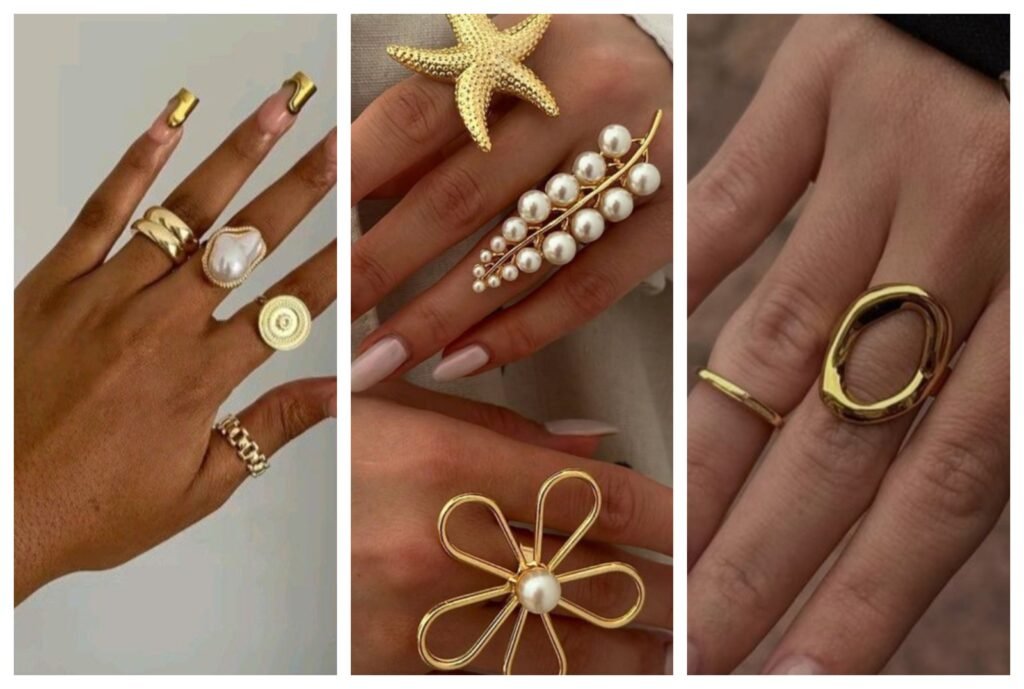
Negative space acts as visual breathing room and prevents the jewelry from dominating the entire hand.
Experiment with Midi Rings
Midi rings have become increasingly popular because they add another dimension to layered styling.
Unlike traditional rings that sit at the base of the finger, midi rings rest above the middle knuckle. They create additional visual layers without requiring larger statement pieces.
Midi rings work particularly well when combined with delicate stacks because they add detail while maintaining an airy appearance.
Mixing Metals Is No Longer a Fashion Mistake
For years, style rules suggested choosing either silver or gold and staying committed. Today, those boundaries have largely disappeared.
Fashion trends increasingly encourage mixing yellow gold, silver, white gold, and rose gold within the same look. The key is ensuring the combination appears deliberate.
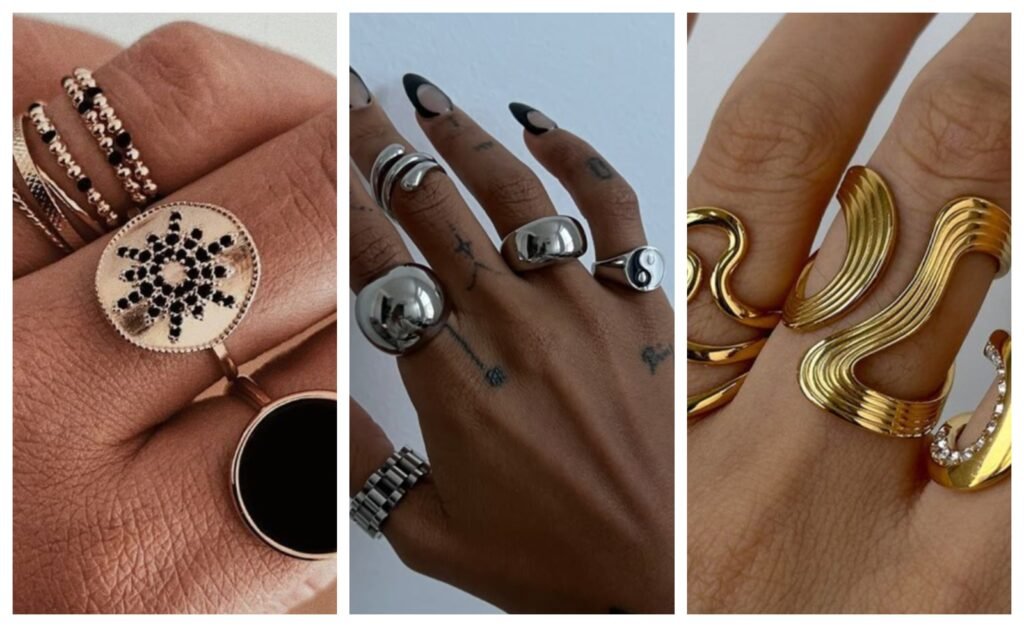
Textures can also help unify mixed metals. For example, smooth polished surfaces may be paired with hammered finishes or twisted designs to create cohesion.
The goal is not randomness but controlled contrast.
Play with Texture
Texture often becomes the overlooked secret behind beautiful ring stacks. Different finishes catch light differently and create depth even when colors remain consistent.
Popular textured styles include hammered metal bands, braided rings, rope designs, beaded details, twisted metal patterns, matte finishes
Combining textures creates subtle visual interest without requiring oversized pieces or bright gemstones.
Consider Gemstone Shapes Carefully
For people who enjoy rings with stones, shape variation can transform a stack.
Pairing multiple identical stone cuts can sometimes feel repetitive. Mixing shapes introduces contrast while maintaining elegance.
Examples include:round stones with baguette cuts, oval gemstones with pear shapes, square settings with softer curved designs
The combination creates movement across the hand and makes individual rings stand out.
However, balance remains important. If one ring contains a large gemstone, surrounding pieces should generally remain simpler.
Match Your Ring Stack to Your Outfit
Accessories and clothing should complement one another.
Ring stacks often stand out best against simpler outfits. Neutral tones, monochrome looks, and clean silhouettes naturally allow jewelry to become the focal point.
Highly detailed clothing with heavy prints, embellishments, or complex patterns can compete with layered accessories.
Minimal outfits often provide the perfect canvas for stronger jewelry statements. This does not mean bold fashion and stacked rings cannot coexist. Instead, one element should lead while the other supports.
Comfort Matters Too
Fashion should not become impractical. While stacked rings may look beautiful in photographs, overly tight or heavy combinations can quickly become uncomfortable.
Hands move constantly throughout the day — typing, driving, carrying bags, using phones, and performing countless tasks.
Rings that pinch fingers or restrict movement are unlikely to remain enjoyable for long.
Testing combinations before committing to an all-day look helps determine whether a stack feels as good as it appears.
Ring Stacking Is About Personal Expression
Perhaps the most appealing aspect of ring stacking is that there are very few permanent rules.
Some people prefer clean symmetry while others embrace asymmetrical arrangements. Some love minimalist gold bands while others gravitate toward oversized stones and mixed metals.
The trend continues evolving because it adapts to individual taste rather than forcing people into a single formula.