



SAN FRANCISCO, United States — Apple Inc. has agreed to pay $250 million to settle a class action lawsuit accusing the tech giant of misleading millions of iPhone buyers over the artificial intelligence capabilities of its Siri voice assistant.
The proposed settlement, filed Tuesday in a federal court in California, resolves claims that Apple promoted AI features for Siri that were not available at the time of marketing and remain undeveloped. The agreement does not include any admission of wrongdoing by the company.
According to court documents reviewed by AFP, plaintiffs alleged Apple “promoted AI capabilities that did not exist at the time, do not exist now, and will not exist for two or more years” to boost sales of its latest devices.
The case centres on marketing tied to the iPhone 16 series and high-end variants of the iPhone 15 — specifically the Pro and Pro Max models — sold in the United States between June 10, 2024, and March 29, 2025. The settlement is expected to cover roughly 36 million eligible devices.
Under the terms, affected consumers could receive compensation starting at $25 (about Sh3,400) per device, with payouts potentially rising to $95 (about Sh12,900) depending on the number of valid claims submitted.
In a statement to the Financial Times, Apple said it chose to resolve the dispute to avoid prolonged litigation. “We resolved this matter to stay focused on what we do best: delivering the most innovative products and services to our users,” the company said.
The dispute also drew scrutiny from the Better Business Bureau National Advertising Division, which previously concluded that Apple’s advertising misleadingly suggested that enhanced AI-powered Siri capabilities were “available now.”
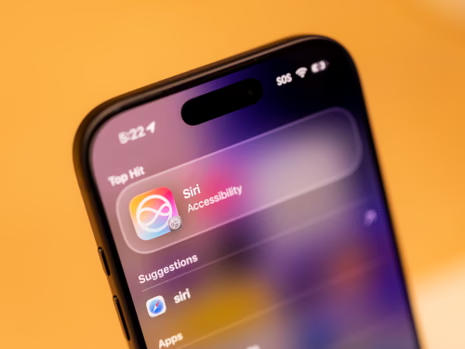
The lawsuit cited a survey by Morgan Stanley indicating that an upgraded Siri experience ranked among the most anticipated features for prospective iPhone buyers.
Plaintiffs argued that Apple capitalised on that demand through an extensive 2024 marketing campaign before later confirming delays and withdrawing the advertisements.
The settlement still requires approval by Judge Noel Wise of the US District Court for the Northern District of California. A hearing is scheduled for June 17, 2026.
If approved, the agreement would mark one of the more significant consumer settlements tied to AI-related advertising claims, highlighting the legal risks companies face when promoting emerging technologies.
The outcome may also influence how tech firms communicate future AI capabilities, particularly as regulators and watchdogs tighten oversight of digital advertising and consumer protection standards in the United States.




