




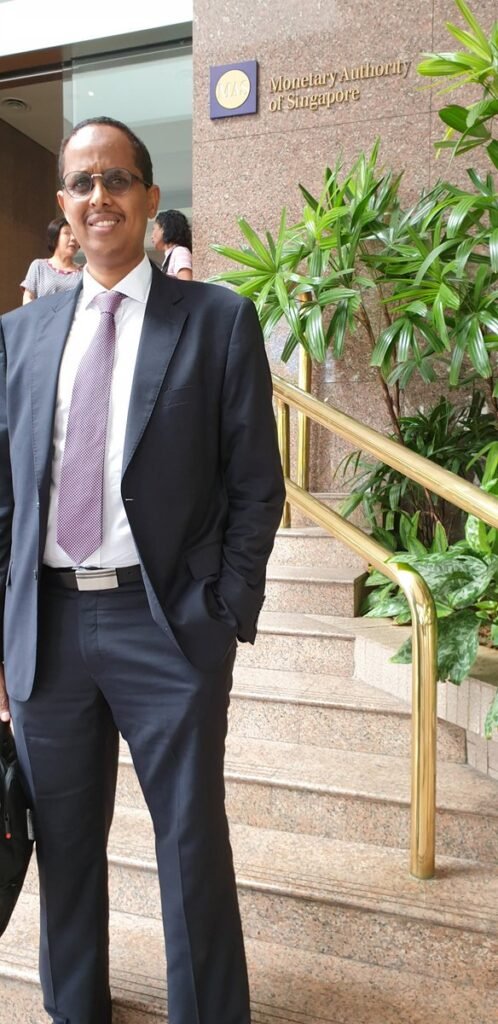
NAIROBI, Kenya — Mohamed Wehliye has criticised Northern Kenya media practitioners for boycotting a planned interview with Former Deputy President Rigathi Gachagua, arguing that disagreement with a public official’s views does not justify denying them a platform.
In a statement shared on X, Wehliye said the decision to withdraw from the interview contradicted the very principles of tolerance and free expression that the journalists claimed to defend.
“If you don’t like what Riggy G says or stands for, it doesn’t mean you curtail his rights to speak,” Wehliye said. “You can’t accuse him of intolerance and then be this intolerant.”
He added that Gachagua, as a national leader, has the right to be heard by all Kenyans, regardless of whether his views are popular or controversial.
The remarks come after Northern Kenya media practitioners issued a joint statement explaining their decision to boycott the interview.
In the statement, the journalists said proceeding with the interview would not align with their “core principles of responsible journalism, national unity, and constructive public discourse.”
They cited concerns that Gachagua’s recent public statements were divisive and risked deepening ethnic and regional tensions at a time when the country needs unity.
The media practitioners also expressed fear that the interview could descend into character assassination or the airing of unsubstantiated allegations against individuals or institutions without sufficient evidence.
“As media outlets committed to ethical standards, fostering informed debate, and promoting peace and cohesion in our society, we cannot in good conscience provide a platform that risks amplifying such harmful narratives,” the statement read.
Wehliye rejected that reasoning, saying the role of journalism is not to shield the public from controversial speech, but to interrogate it through rigorous questioning and fact-based dialogue.
His remarks echo criticism from other legal voices, including Senior Counsel Ahmednasir Abdullahi, who has also faulted the boycott and urged journalists to confront contentious claims through interviews rather than avoidance.
The controversy has reignited debate over media ethics, editorial discretion and freedom of expression, particularly the balance between responsible journalism and the constitutional duty to hold public officials accountable.
Article 34 of the Constitution guarantees the freedom and independence of the media, while Article 33 protects freedom of expression, including the right to receive and impart information.


