


NAIROBI, Kenya — A viral video purportedly showing young visitors openly chewing miraa (khat) on the grounds of State House has triggered a heated debate among Kenyans over presidential protocol, security and the changing public image of the official residence.
The short clip circulating on social media shows two young men seated on white plastic chairs on what appears to be the State House lawn, speaking in Sheng while holding water bottles and chewing miraa.
One of the men is also seen carrying a brown bag containing what he describes as “Alele Mtoto”, referring to an assortment of miraa and related paraphernalia.
The footage has prompted contrasting reactions online, with some Kenyans questioning how visitors could openly chew miraa and record videos on the grounds of the country’s highest executive office, while others argue that greater public access to State House reflects a more inclusive presidency.
The authenticity, date and precise circumstances of the video could not be independently established from the material circulating online.
‘It’s not illegal’
In the video, one of the men speaks directly to the camera while appearing to celebrate the fact that he is at State House.
“Aloo, nani amewai kulia veve State House? Leo tunashikia State House. Mambo ya mtaa tumewacha. Mambo ni vulai! Mambo ni tutam! It’s not illegal!” he says.
The video appears to have been recorded after an event, with large numbers of white plastic chairs stacked across the lawn.
The setting has fuelled speculation about whether the men were attending an organised State House function or another event involving members of the public.
State House decorum questioned
State House has traditionally been associated with tight security, formal protocol and official state functions.
The apparent sight of visitors relaxing on plastic chairs, recording themselves and openly chewing miraa has therefore raised questions among critics about whether the institution’s traditional sense of formality is being eroded.
Some social-media users argued that visitors should observe a higher standard of conduct while on presidential premises.
“State House used to be a sacred, highly restricted institution. Seeing people sitting on official premises recording TikToks while chewing jaba feels like the ultimate breakdown of presidential decorum and protocol,” one X user wrote.
Another user, Juma Gathoni, questioned how security personnel could have allowed visitors to carry and consume miraa on the premises.
“State House Kenya has completely lost its prestige. How do security details let visitors casually carry stimulants and host ‘jaba sessions’ inside the house on the hill? Absolute lack of respect for the office,” he wrote.
Another Kenyan accused the administration of lowering the formality traditionally associated with State House.
“From hosting political goons to becoming a spot for casual hangout sessions, the current administration has turned State House into a local base. Total disgrace to our national dignity!” the user wrote.
The comments reflect individual reactions on social media and do not, by themselves, establish that security officers permitted any violation of State House rules.
Others see greater public access
Not everyone viewed the footage negatively.
Some Kenyans argued that State House belongs to the public and that allowing ordinary citizens onto its grounds represents a more accessible style of governance.
Supporters also pointed out that miraa is a legally recognised crop in Kenya and argued that its consumption should not automatically be equated with criminal conduct.
“State House is funded by the taxes of the everyday Mwananchi. For decades, it was treated like an ivory tower reserved for political dynasties. President Ruto allowing ordinary Kenyans to sit on those lawns and be themselves is true democracy. Nothing wrong with people enjoying local cash crops!” one defender wrote.
The contrasting reactions highlight a wider debate about whether greater accessibility to presidential institutions should come at the expense of traditional standards of protocol and decorum.
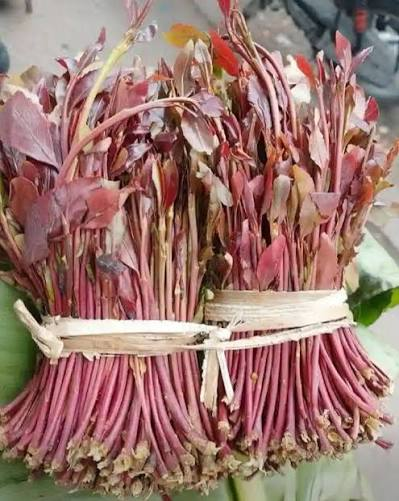
What is the legal position on miraa?
Miraa, also known as khat, is legally recognised as a cash crop in Kenya.
Its legal status, however, does not necessarily mean that it can be consumed anywhere or under any circumstances. Individual institutions and venues can impose their own rules governing conduct and access to their premises.
The central question raised by the video is therefore less about whether miraa is a legal crop and more about whether visitors were permitted to consume it at the location shown and whether their conduct complied with State House regulations.
No official statement confirming the circumstances surrounding the video or addressing whether any State House rules were breached had been cited in the material available.
Security and vetting questions
The footage has also prompted questions about the vetting and supervision of visitors attending events at State House.
Critics have asked how guests are screened before entering the presidential compound and whether security personnel monitor the conduct of visitors once they are inside.
However, the presence of miraa in the video does not by itself establish a failure by security officers or prove that the substance was brought into the compound without authorisation.
It also remains unclear from the footage whether the individuals were attending an official State House function, a public event or another gathering held on the grounds.

