




NAIROBI, Kenya — The Kenya Meteorological Service Authority (KMSA) has called for stronger preparedness ahead of the October-November-December (OND) 2026 rainfall season, warning that the value of climate forecasts will depend on how effectively they translate into early action and timely decisions.
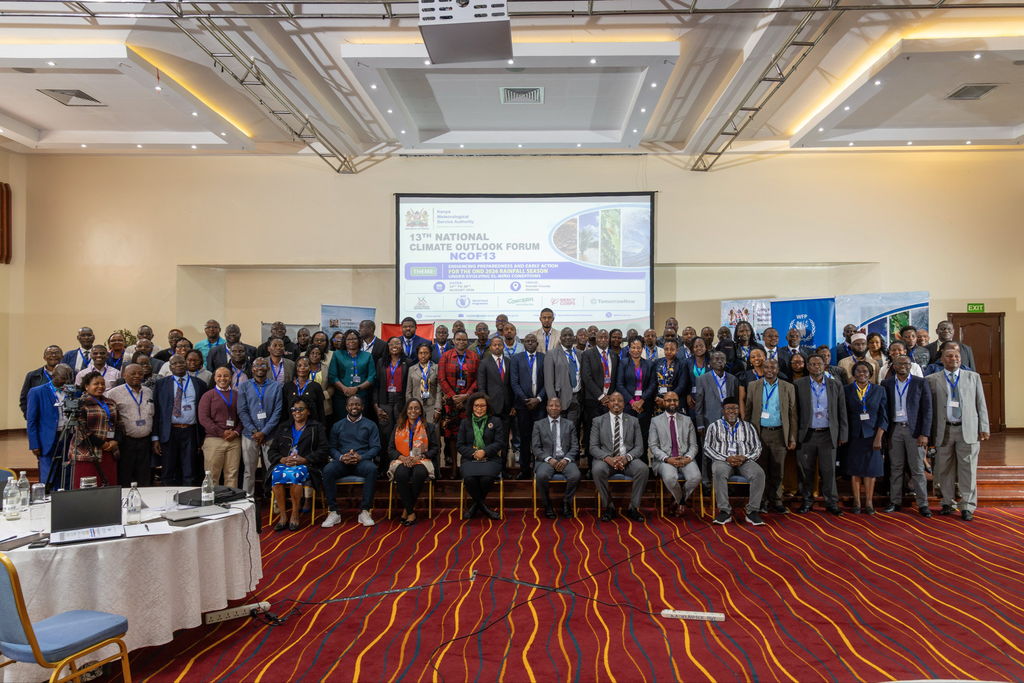
Speaking during the opening of the 13th National Climate Outlook Forum (NCOF13), KMSA Director Edward Muriuki said climate information should go beyond forecasting and help communities, institutions and decision-makers prepare for potential impacts before they occur.
“Climate information must be understandable, relevant and actionable,” Muriuki said.
KMSA warns against assuming El Niño means heavy rain everywhere
Muriuki said preparedness should be strengthened amid evolving El Niño conditions, but cautioned against automatically associating the phenomenon with heavy rainfall across the entire country.
He said other atmospheric and oceanic factors would continue to be monitored because their interaction can influence rainfall patterns and determine how El Niño conditions translate into weather impacts in different areas.
The caution comes as national and county authorities, humanitarian agencies, farmers and other stakeholders prepare for the OND rainfall season, traditionally an important rainfall period for large parts of Kenya.
From forecast to action
KMSA said effective climate services should establish a clear chain linking scientific forecasts to practical decisions:
Forecast → Risk → Impact → Action → Decision
The approach is intended to ensure that forecast information reaches users in a form they can understand and use to reduce potential losses.
Rather than waiting for extreme weather to occur, authorities and communities can use early warnings to make decisions involving agriculture, water management, disaster preparedness, health, infrastructure and other climate-sensitive sectors.
Stakeholders urged to work together
KMSA also stressed that no single institution can provide effective climate services on its own.
The authority called for greater collaboration through co-design, co-production, co-communication and co-delivery of climate information.
Such cooperation, it said, can help ensure forecasts and warnings reach the “last mile” and are translated into actions that protect lives, livelihoods and the economy.
The OND 2026 outlook is therefore expected to serve not only as a weather forecast but as a basis for preparedness and risk-management decisions across the country.
Why the OND forecast matters
The October-to-December season is particularly important for agricultural planning and water-resource management, making timely and accessible climate information crucial for farmers and other climate-dependent sectors.
KMSA’s emphasis on actionable information reflects the growing importance of early warning and anticipatory action as Kenya manages the risks associated with changing rainfall patterns and extreme weather.
The authority said continued monitoring of El Niño and other atmospheric and oceanic conditions will be necessary as the country moves toward the OND season.


