




MONROVIA, Liberia – Liberia has agreed to receive up to 1,200 foreign nationals deported from the United States over the next year, becoming the latest African country to participate in Washington’s expanding third-country deportation programme.
The agreement is among the largest such arrangements reached by the U.S as U.S President Donald Trump’s administration intensifies its crackdown on irregular migration.
Liberia’s Information Minister Jerolinmek Piah said the first group of 20 deportees was expected to arrive on Thursday.
He stressed that the people being transferred to Liberia would be treated as guests and would not be detained simply because they had been deported from the US.
“The government wants to emphasise that those being brought to Liberia are being received as guests,” Piah said.
According to the minister, the arrivals would be free to leave when they wished or apply for asylum in Liberia.
He added that none of those being transferred had criminal convictions or were facing prosecution in either the US or Liberia.
Liberia says arrangement is humanitarian
Piah said Liberia had accepted the arrangement because of its longstanding role in providing refuge to people fleeing persecution, conflict and other forms of insecurity.
He described the programme as a humanitarian arrangement and said Liberia had not agreed to receive the deportees in exchange for financial compensation.
The minister said Liberia had “not demanded or received any compensation or promise of rewards in exchange for its consent to participate in the programme.”
However, he acknowledged that the US would provide support to help Liberia manage the programme and strengthen aspects of its migration system.
The nationalities of the deportees have not been disclosed.
It also remains unclear whether any of those being transferred to Liberia have legal protections preventing their return to their countries of origin.
Part of wider US third-country deportation policy
The Liberia agreement comes amid a broader effort by the Trump administration to deport some migrants to countries other than their own.
Since returning to power in January 2025, Trump’s administration has deported dozens of people to so-called third countries.
The arrangements have attracted criticism from human rights organisations, particularly where deportees cannot legally be returned to their countries of origin because they face risks such as persecution.
Several African countries have already entered similar agreements with Washington, including Ghana, Equatorial Guinea, Eswatini, the Democratic Republic of Congo and Sierra Leone.
The US has maintained that the arrangements are lawful.
Rights groups, however, have criticised the deals over concerns about transparency, due process and the safety of people transferred to countries with which they have no previous connection.
Questions over fate of deportees
The experiences of some migrants sent under similar arrangements have intensified scrutiny of the policy.
Ghana, for example, has faced legal challenges over allegations that some US deportees were subsequently sent to countries they had fled, potentially exposing them to risks they had sought protection from.
Eswatini also confirmed that it had received two people deported from the US who later voluntarily returned to their home countries — Mauritania and the Democratic Republic of Congo.
The southern African kingdom previously confirmed receiving $5.1 million from the Trump administration amid criticism from rights organisations.
Liberia’s government has sought to distinguish its arrangement from such financial agreements, insisting that its participation is humanitarian.
Liberia invokes its history
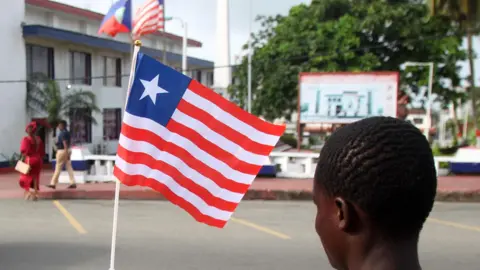
Piah also pointed to Liberia’s unique historical relationship with the United States.
Liberia was established in the 19th Century as a settlement for formerly enslaved and free Black people from the US and the Caribbean.
The minister said that history informed the country’s decision to accept people who cannot safely return to their countries of origin.
“We have always welcomed people who cannot return to their home of origin, and to reject these third country nationals would be acting against our best interest,” Piah said.
The arrangement nevertheless places Liberia at the centre of a contentious US migration policy whose implications extend beyond deportation itself.

