Summary
- Donald Trump warns Iran of severe consequences if it rejects a peace deal.
- Iran denies negotiations and rejects a US peace proposal.
- Strait of Hormuz tensions push global oil prices higher.
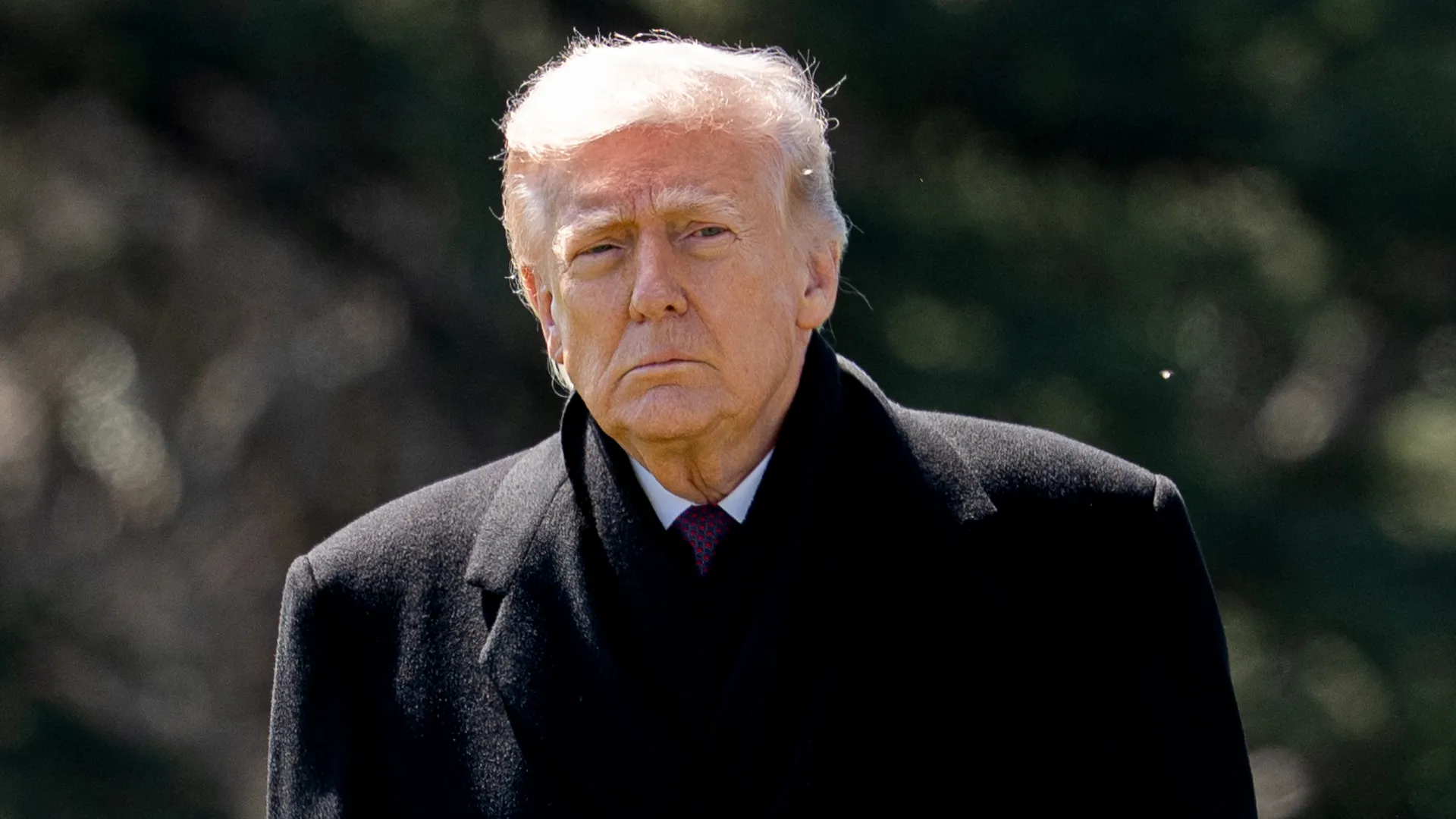
NAIROBI, Kenya- Donald Trump has issued a fresh warning to Iran, saying the United States will become Tehran’s “worst nightmare” if it refuses to agree to a peace deal.
Speaking during a cabinet meeting, Trump insisted Iran must return to the negotiating table or face continued military action as the conflict in the Middle East intensifies.
Trump ramps up pressure as talks stall
Trump claimed Iran is “begging” for a deal, even as officials in Tehran deny any ongoing negotiations with the United States.
“They have to make a deal,” Trump said, warning that failure to do so would result in further attacks.
“We’ll just keep blowing them away. Unimpeded, unstopped.”
His remarks come despite Iran rejecting a U.S.-backed peace proposal presented by envoy Steve Witkoff.
The reported 15-point plan allegedly required Iran to abandon its nuclear programme and limit its missile capabilities—conditions Tehran has firmly dismissed.
Strait of Hormuz crisis shakes global oil markets
The tensions have spilled into global trade, with Iran effectively blocking the critical Strait of Hormuz.
The narrow waterway handles nearly 20 pc of the world’s oil supply, making it one of the most strategic energy corridors globally.
Shipping traffic has dropped sharply as Iran threatens to target vessels, triggering volatility in oil markets.
Brent crude prices have surged to around $108 per barrel, reflecting growing fears over supply disruptions.
Countries across Asia, particularly China, are among the hardest hit due to their heavy reliance on Gulf oil exports.
Uncertainty over next steps in escalating conflict
Despite Trump’s warnings, it remains unclear how the U.S. plans to bring Iran back to negotiations after weeks of sustained military pressure.
The conflict, which has already seen widespread regional escalation, continues to raise concerns over global stability and economic fallout.
Gulf nations, including United Arab Emirates and Oman, remain on high alert as the situation unfolds.
With no clear diplomatic breakthrough in sight, the standoff risks further escalation, potentially drawing in more regional and global powers.