




THE HAGUE, Netherlands – Judges at the International Criminal Court (ICC) have convicted former Seleka militia leader Mahamat Said Abdel Kani of crimes against humanity, including torture, over violence committed during the Central African Republic’s conflict.
The ICC judges found Said guilty on four counts of crimes against humanity, including persecution and torture.
Prosecutors accused Said of overseeing a detention facility in the capital Bangui, where suspected supporters of then-President Francois Bozize were allegedly beaten and tortured.
Said denied all the charges.
ICC Finds Said Oversaw Torture
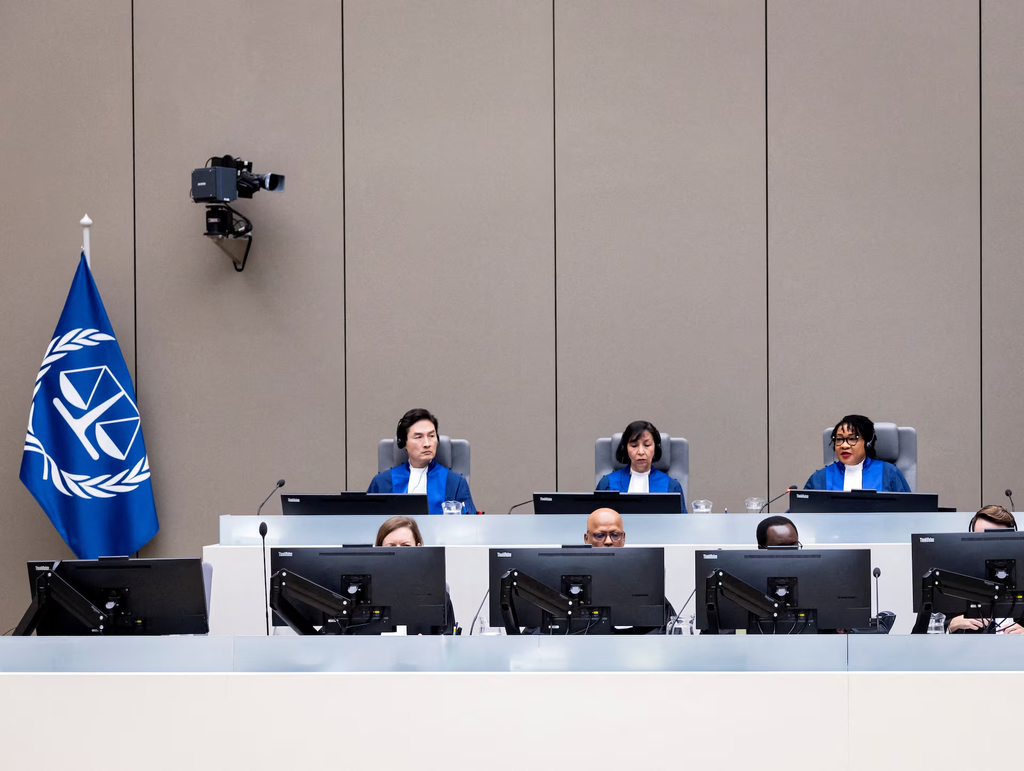
Presiding Judge Miatta Maria Samba said Said and others were responsible for the beating and torture of prisoners as part of a plan targeting people perceived to support Bozize.
The judges found that the attacks formed part of a broader campaign against perceived opponents during the Seleka group’s period of control over Bangui.
Said showed no visible reaction as the verdict was read in court. He was dressed in jeans and a blue sweatshirt.
A separate hearing will be held to determine his sentence.
Court Dismisses Some War Crimes Charges
While the ICC convicted Said of four crimes against humanity, the judges dismissed several war crimes charges.
The court found that the armed conflict had already ended when some of the alleged crimes were committed, meaning the relevant war-crimes provisions did not apply.
The ruling therefore distinguishes between crimes against humanity for which Said was convicted and the separate war-crimes allegations that were dismissed.
Seleka Seized Power in 2013
The Seleka, a predominantly Muslim rebel alliance whose name means “alliance” in the Sango language, seized power in the Central African Republic in 2013.
The group ousted then-President Bozize during the country’s long-running civil conflict.
The Seleka takeover was followed by the emergence of opposing anti-Balaka militias, which were predominantly Christian.
The fighting and violence that followed resulted in widespread abuses and deepened communal tensions in the Central African Republic.
ICC Investigation Began in 2014
The ICC has been investigating crimes committed during the Central African Republic conflict since 2014.
The court has previously convicted two leaders associated with the anti-Balaka militias.
Said’s conviction is significant because he is the first Seleka member to be convicted by the ICC in connection with the Central African Republic situation.


