




ANTANANARIVO, Madagascar — Madagascar’s former Senate president Richard Ravalomanana has been sentenced to 10 years’ hard labour after being convicted of complicity in murder over his alleged role in the violent crackdown on youth-led protests that helped bring down the country’s previous government.
Ravalomanana, a retired general and close ally of former President Andry Rajoelina, was found guilty by a court in the capital, Antananarivo, on Tuesday.
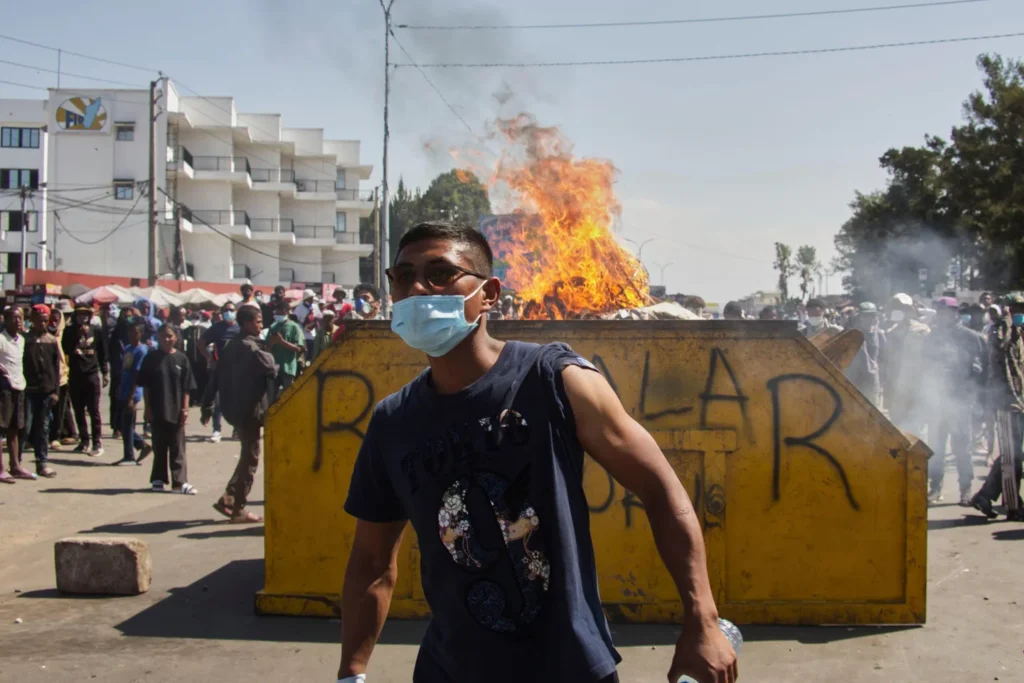
Prosecutors accused him of directing security forces to use violence against demonstrators during the so-called Gen Z protests in September and October 2025.
Ravalomanana denied the allegations and said he would appeal the verdict.
Protests that toppled Rajoelina
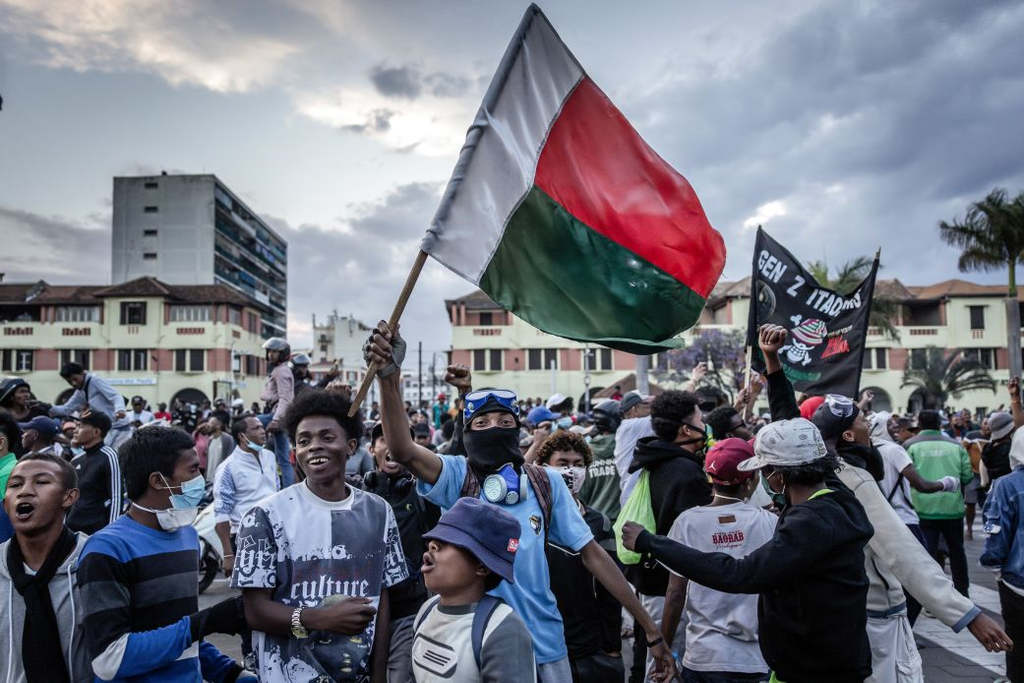
What initially appeared to be a campaign over basic services quickly developed into a wider youth-led movement challenging Rajoelina’s government.
At least 22 people were killed and more than 100 injured during the unrest, according to United Nations figures cited by local media.
The demonstrations eventually triggered a political crisis that culminated in Rajoelina’s removal from power and the installation of a new administration led by Col Michael Randrianirina.
The crackdown during the protests was led by the gendarmerie, an institution in which Ravalomanana retained considerable influence at the time.
A state prosecutor said in December 2025 that Ravalomanana had “directed violent actions to suppress the demonstrations.”
Former Senate president arrested
Ravalomanana was removed as Senate president in October 2025, shortly after the protests brought the government under mounting pressure.
He was arrested at his home in December after failing to respond to a summons from the gendarmerie.
He was subsequently held in pre-trial detention at the high-security Imerintsiatosika prison outside Antananarivo, where he spent about seven months awaiting trial.
The former Senate chief is among several senior figures linked to Rajoelina’s administration who have faced legal proceedings since the change of government.
He is also the subject of a separate corruption investigation.
Defence disputes chain of command
Ravalomanana’s defence team challenged the prosecution’s case, arguing that there was insufficient evidence directly connecting him to the violence committed during the demonstrations.
A former national police chief who testified during the trial supported Ravalomanana’s account, saying he was not part of the operational chain of command and had issued no orders to police, gendarmes or soldiers deployed during the unrest.
Ravalomanana’s lawyer also questioned whether prosecutors had established a direct link between his client and the security forces involved in the crackdown.
“Is there confirmed written or verbal evidence… to accuse him?” the lawyer asked the court, arguing that prosecutors had failed to demonstrate that security officers received orders from Ravalomanana.
The defence said it would challenge the conviction before a higher court.
Separate death-threat charge dropped
The court also dismissed a separate allegation that Ravalomanana had made a death threat.
Judges ruled that the allegation was too old to be prosecuted because the applicable limitation period had expired.
The murder-related conviction, however, resulted in the 10-year hard-labour sentence.


