




VIHIGA, Kenya — National Assembly Speaker Moses Wetangula has criticised opposition figures seeking the presidency, accusing them of exploiting ethnic divisions for political gain ahead of the next general election.
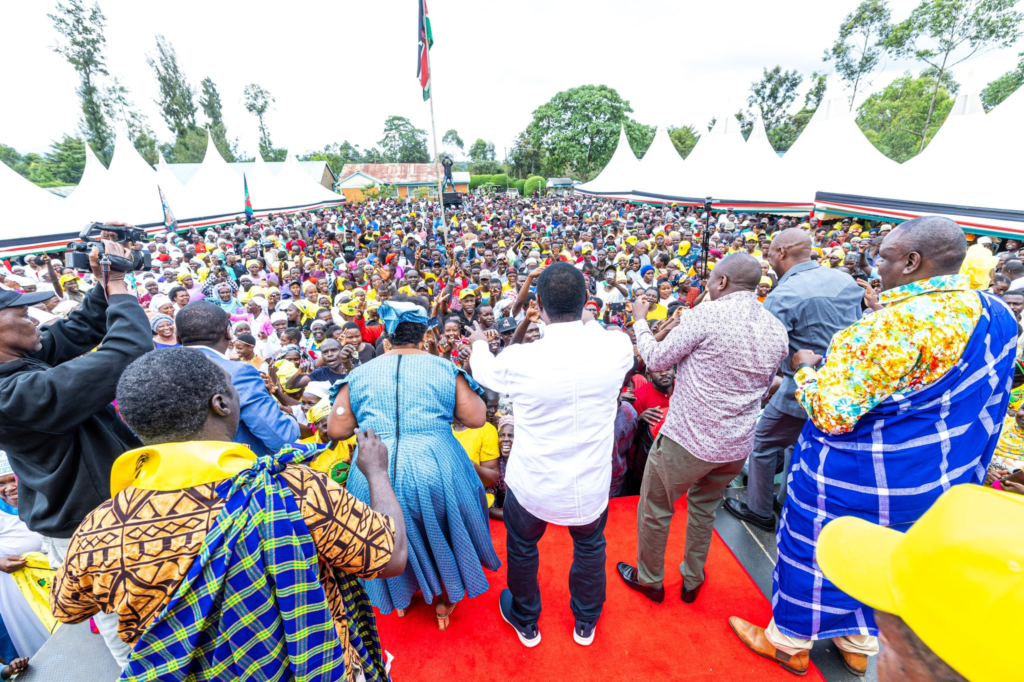
Speaking during a fundraising event for 13 churches at Kapchemgum Secondary School in Vihiga County, Wetang’ula urged Kenyans to remain vigilant against what he termed “divisive schemes” that risk undermining national unity.
“Kenya’s strength lies in its diversity,” he said, warning that rhetoric rooted in tribal mobilisation advances narrow political interests while weakening cohesion and long-term development.
His remarks come amid rising political activity as leaders begin positioning themselves ahead of the 2027 elections, with ethnic alliances historically playing a significant role in Kenya’s electoral politics.
Wetang’ula also declared that the Western region had resolved to support President William Ruto for a second term, pointing to the administration’s development record in the region compared to previous governments.
He cited ongoing infrastructure and economic initiatives, arguing they demonstrate a shift toward equitable resource allocation. However, independent assessments of development impact across regions have varied, with some analysts calling for more transparent metrics to evaluate government performance.
The Speaker’s comments highlight a recurring debate in Kenya’s governance landscape: the tension between ethnic-based political mobilisation and constitutional ideals of inclusivity.
The Constitution of Kenya emphasises national unity, equity, and non-discrimination, principles that critics say are often tested during election cycles.
At the same time, opposition leaders have maintained that national development should not be framed through regional loyalty but through policy outcomes and accountability.
Wetang’ula called on leaders across the political spectrum to prioritise unity and responsible messaging, saying Kenya’s progress depends on transcending identity-based politics.
“Divisive politics has no place in our future,” he said, urging citizens to reject narratives that threaten national cohesion.

