


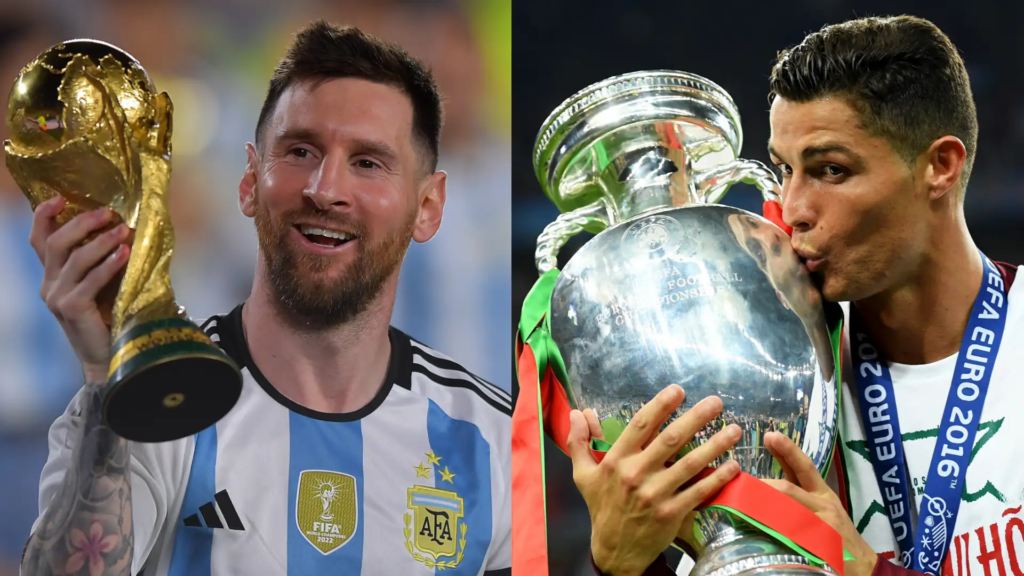
Lionel Messi may have led Argentina through another memorable FIFA World Cup campaign, but Kenyan football fans remain deeply divided over football’s greatest player, with new Google Search data showing the Lionel Messi versus Cristiano Ronaldo rivalry continues to dominate conversations long after the tournament ended.
According to Google Search Trends covering the period between June 11 and July 13, searches for “Who is the GOAT of football?” increased by 200 per cent in Kenya during the 2026 FIFA World Cup, reaffirming that the debate over the greatest footballer of all time remains the sport’s most enduring off-the-pitch rivalry.
Despite Messi’s exploits with the reigning world champions, Kenyan internet users searched for the Argentine superstar only 10 per cent more than Portuguese icon Cristiano Ronaldo, highlighting how closely contested the debate remains among local supporters.
The search trends, released by Google after the tournament, also provide a broader picture of how Kenyans experienced football’s biggest event.
Beyond following results and goals, fans searched for standout players, iconic matches, football traditions, emerging technologies and venues where they could watch matches together.
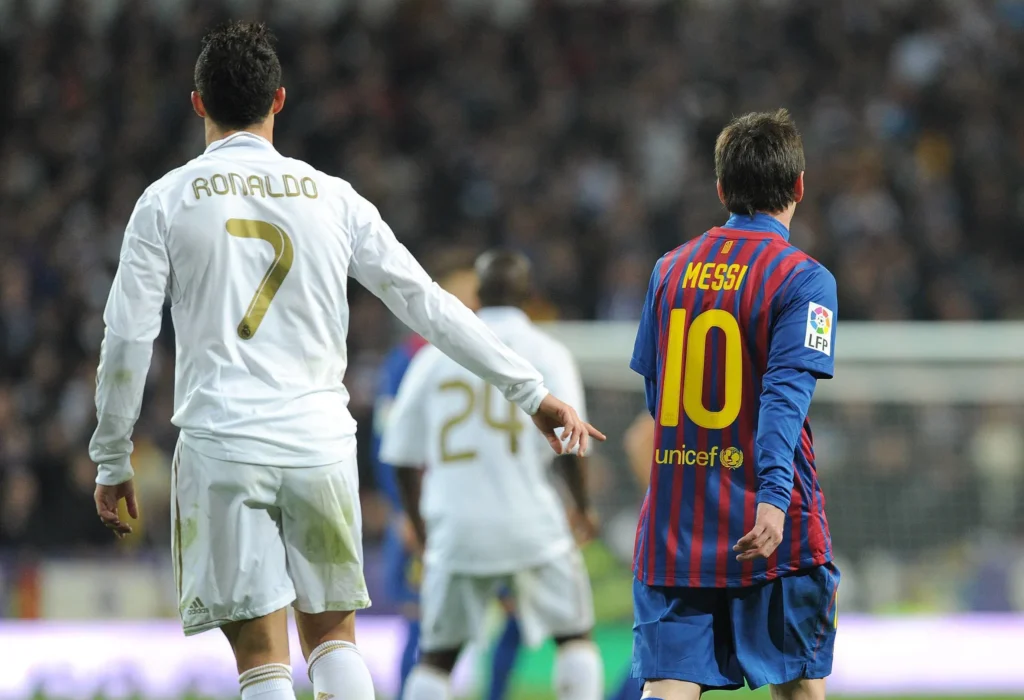
One of the tournament’s defining global moments came when Argentina’s dramatic winning goal against Egypt generated the highest number of Google Search queries per second ever recorded during a FIFA World Cup, underscoring football’s unmatched ability to capture worldwide attention.
In Kenya, however, the most searched match was not Argentina’s triumph but France’s 2-0 semi-final victory over Morocco, a result that ended Africa’s hopes of producing its first FIFA World Cup finalist.
The fixture drew enormous interest as Kenyan fans closely followed Morocco’s historic run in North America.
Another match that captivated local audiences was Norway’s shock 2-1 victory over Brazil, with Erling Haaland scoring twice to eliminate the five-time world champions in one of the tournament’s biggest upsets.
Brazil’s comeback win over Japan also ranked among Kenya’s most searched games after Kaishu Sano’s early strike was overturned by goals from Casemiro and Gabriel Martinelli.
England’s comeback victory over Norway, inspired by Jude Bellingham’s two goals after Andreas Schjelderup had given Norway the lead, also featured prominently in Kenyan searches. Spain’s narrow 1-0 win over Portugal, secured by substitute Mikel Merino, completed the country’s five most searched World Cup fixtures.
The data also revealed that Kenyans preferred experiencing the tournament collectively rather than watching alone.
During the final two weeks of the competition, searches for public World Cup viewing venues surged by 700 per cent, with supporters looking for sports bars, fan parks, restaurants and other venues to watch matches with fellow fans.
Football culture generated significant curiosity as well. Searches for “La Ola”—the famous Mexican wave performed by supporters in stadiums—increased by 130 per cent compared with the 2022 FIFA World Cup, reflecting growing interest in one of football’s most recognisable traditions.
African players also attracted considerable attention throughout the tournament. Egypt captain Mohamed Salah emerged as the continent’s most searched footballer in Kenya despite his country’s elimination in the knockout stages.
Cape Verde goalkeeper Vozinha ranked second after helping his nation enjoy a memorable campaign, while South Africa midfielder Jayden Adams, Morocco captain Achraf Hakimi and Ismael Saibari completed the top five.
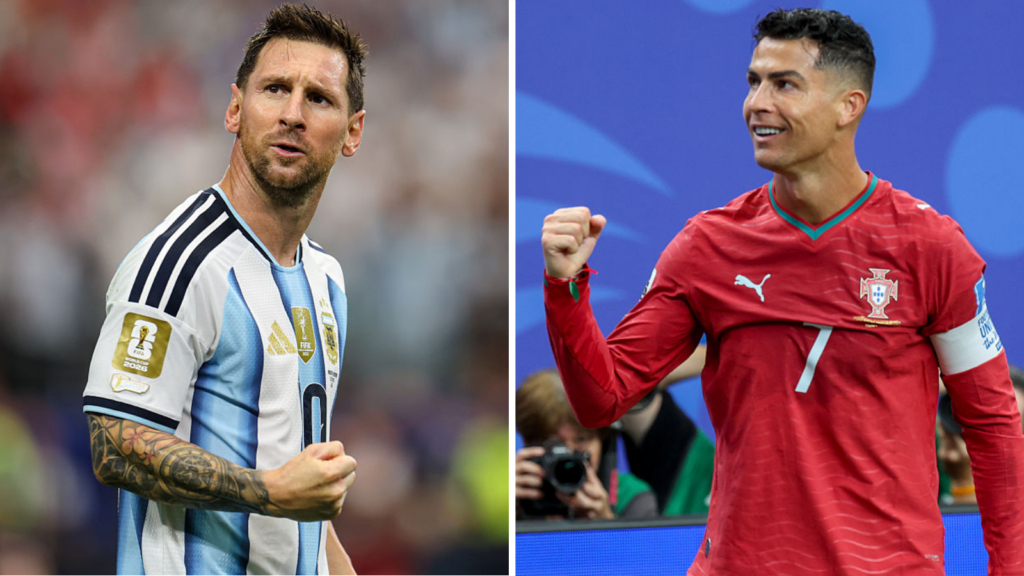
Globally recognised stars continued to dominate online conversations.
Alongside Messi and Ronaldo, players including Kylian Mbappé, Lamine Yamal, Rodri and Ferran Torres ranked among Kenya’s most searched footballers, reflecting the blend of admiration for established legends and excitement surrounding football’s next generation.
Curiosity extended beyond players and matches to the technology shaping modern football.
During the tournament’s opening week, searches relating to the official FIFA World Cup match ball rose by 290 per cent, while overall interest was 10 per cent higher than during the 2022 tournament.
Fans searched for how the ball is manufactured, what type of air it contains, whether it is rechargeable, how it is charged and its retail price, illustrating growing fascination with innovation in elite sport.
While Google Trends measures relative search interest rather than overall popularity, the data paints a vivid picture of how Kenyans engaged with the World Cup beyond the action on the pitch.
Whether supporters favour Messi’s World Cup success or Ronaldo’s extraordinary longevity and goalscoring exploits, Google’s latest search data suggests football’s greatest rivalry remains unresolved.
For Kenyan fans, the final whistle may have ended the 2026 FIFA World Cup, but the debate over who truly deserves the title of the Greatest of All Time shows no sign of fading.

