




NAIROBI, Kenya — Director of Public Prosecutions (DPP) Renson Ingonga has warned that weak evidence is frustrating efforts to prosecute politicians and other individuals accused of sponsoring political violence ahead of Kenya’s 2027 General Election.
Ingonga urged investigating agencies to build strong evidentiary cases linking political actors and other alleged sponsors to acts of violence, saying arrests alone would not guarantee successful prosecutions.
“Bring the evidence. We cannot prosecute without evidence,” Ingonga said on Wednesday during a High-Level National Election Security Roundtable Consultative Forum in Nairobi.
The DPP said investigators should go beyond arresting people involved in violence and focus on establishing who finances, organises or directs groups used to disrupt political activities.
DPP urges investigators to pursue sponsors
Ingonga said people recruited to participate in political violence may not always understand the wider purpose behind their deployment.
“We must, as investigating agencies, deal with the goons. Those who are involved in goonism do not even know why they are doing it. They have just been told to do what they are doing,” he said.
He said the prosecution of alleged sponsors requires investigators to establish a clear evidentiary trail connecting individuals accused of organising or financing violence to the offences committed.
“What we lack is evidence. At times, arrests may not help so much,” Ingonga said.
His remarks highlight the evidentiary challenge facing law-enforcement agencies as political activity increases ahead of the 2027 elections.
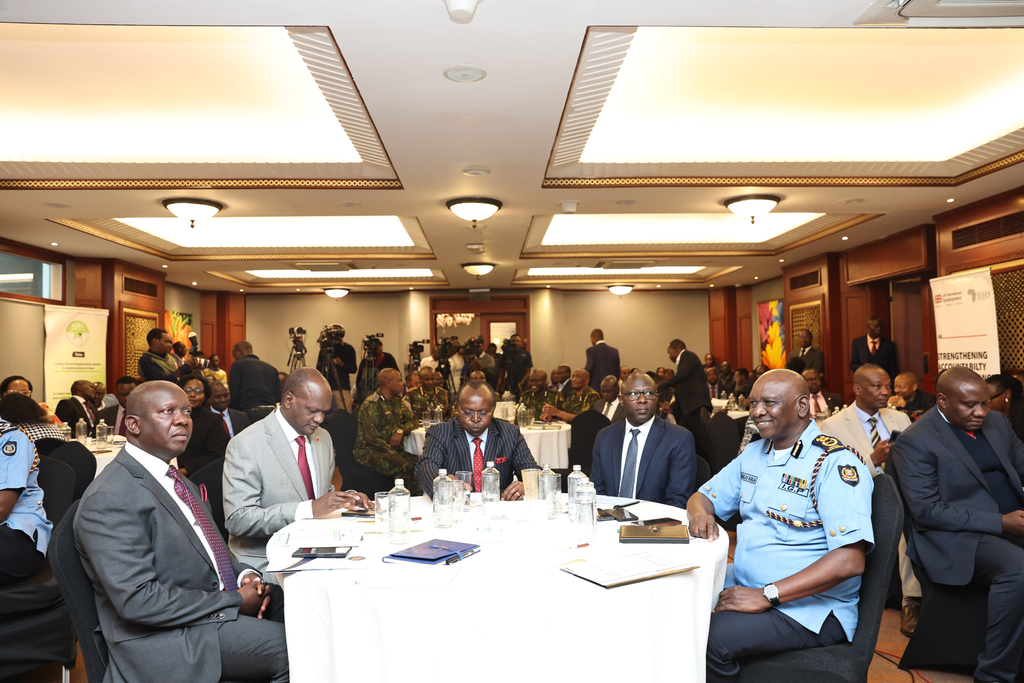
Election security agencies develop 2027 roadmap
The Nairobi forum brought together government institutions led by the Independent Electoral and Boundaries Commission (IEBC) to assess Kenya’s political environment and develop an election-security roadmap ahead of the August 10, 2027, General Election.
Participants warned politicians against sponsoring violence, mobilising criminal groups or making statements that could incite their supporters.
The officials also invoked the 2007/2008 post-election violence as a warning of the potential consequences of unchecked political tensions.
Court of Appeal Judge Daniel Musinga recalled witnessing property being set on fire during the violence, as communities armed with bows and arrows confronted one another while others looted property.
“After the political dust has settled, we remain Kenyans. We don’t want a repeat of what happened in 2007/8,” Musinga said.
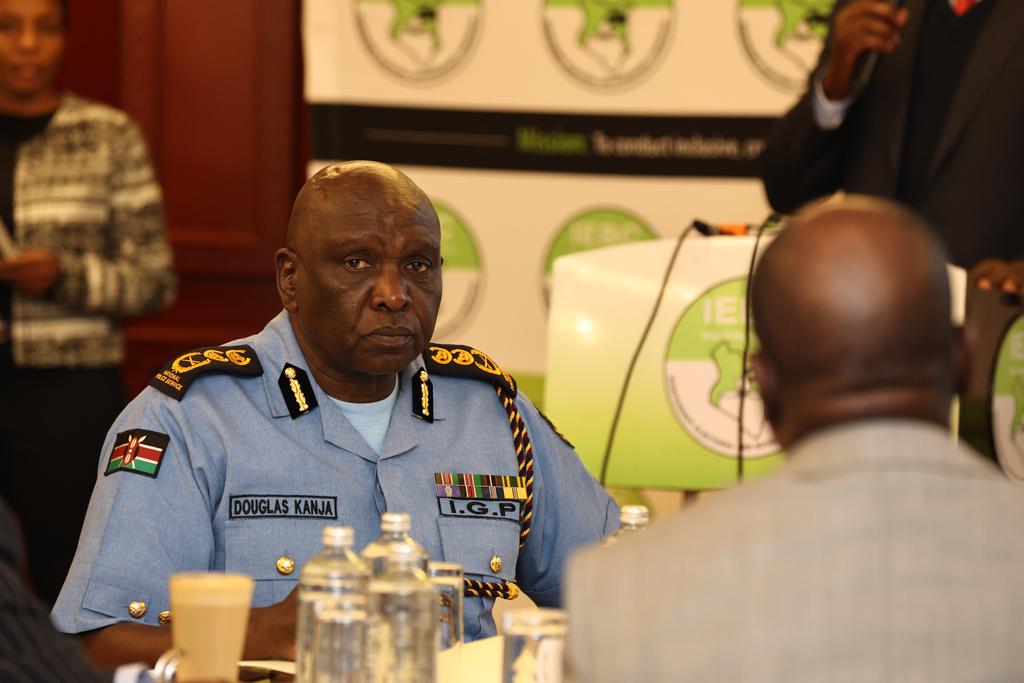
Kanja warns politicians against destabilising Kenya
Inspector General of Police Douglas Kanja also urged political leaders to avoid conduct that could threaten national stability.
“This country is very important. We must remember we only have Kenya,” Kanja said.
The police chief’s remarks came as security agencies prepare for increased political mobilisation, rallies and public gatherings in the run-up to the 2027 polls.
Authorities have increasingly focused on the possibility that political competition could fuel violence through organised groups, inflammatory rhetoric or ethnic mobilisation.
Ethekon warns against rigging claims
IEBC Chairman Erastus Ethekon warned that persistent claims that the 2027 election could be rigged could undermine public confidence in the electoral process.
The warning comes as political parties and prospective candidates begin positioning themselves for the next election, with questions over the credibility and independence of electoral institutions expected to feature prominently in the political debate.
Ethekon’s message was that public confidence in the electoral process is itself an important component of election security.

NCIC steps up monitoring of political rhetoric
The National Cohesion and Integration Commission (NCIC) said it had intensified monitoring of political rallies and online platforms, including WhatsApp and TikTok, as part of efforts to identify potential incitement and emerging political or ethnic tensions.
The commission has proposed real-time monitoring of political rhetoric and stronger links between community-level early warning structures and election security agencies.
NCIC has also proposed training security personnel on hate speech, incitement and ethnic mobilisation under the Election Security Arrangement Programme (ESAP).
About 200,000 security personnel are expected to undergo training between November 2026 and May 2027, with NCIC expected to contribute content on cohesion-related threats.


