




NAIROBI, Kenya – Tourism industry veteran Mohammed Hersi has urged President William Ruto to personally intervene in the recurring air traffic controller dispute, warning that repeated disruptions at Kenya’s airports are damaging the country’s tourism reputation and business confidence.
In an open letter addressed to the President on Sunday, August 30, Hersi described the latest disruption at Jomo Kenyatta International Airport (JKIA) as an unacceptable recurrence of a dispute that should have been permanently resolved months ago.
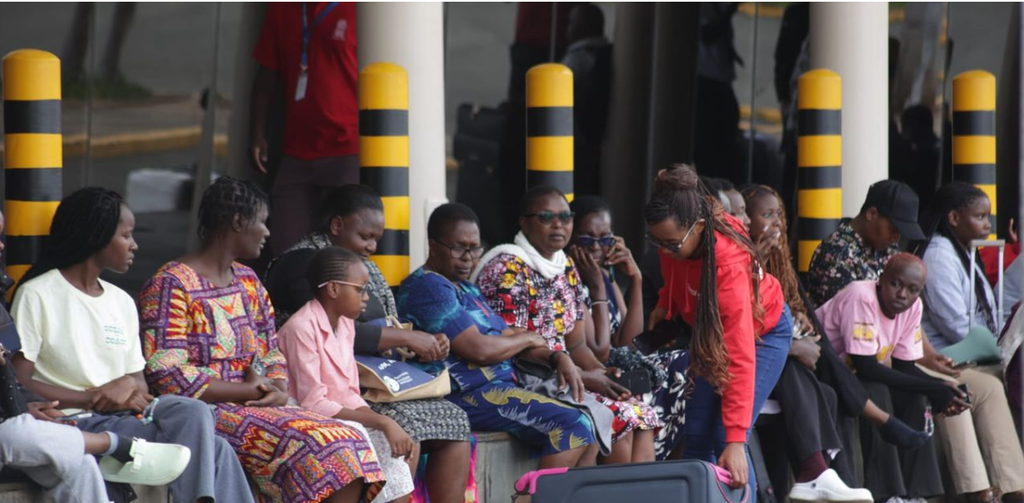
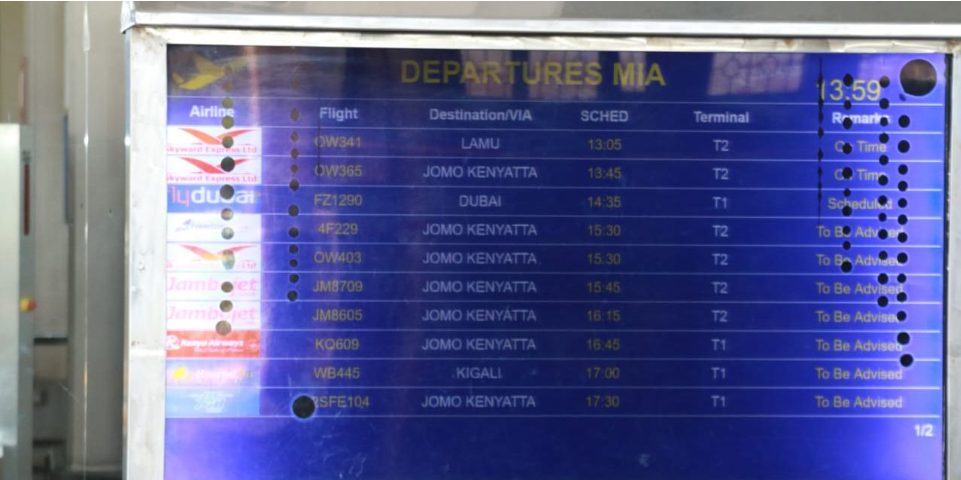
Hersi, who has worked in the tourism industry for more than three decades, said aircraft were left on the ground and passengers faced hours of delays as airlines struggled to manage the disruption.
He argued that the repeated strikes were no longer simply an industrial relations issue but a broader governance problem with consequences for tourism, aviation, horticulture and cargo businesses.
‘How is this still happening?’
Hersi questioned why the government had failed to reach a lasting agreement with air traffic controllers after a return-to-work deal earlier in the year.
“How is this still happening?” he asked, arguing that the February dispute should have resulted in a permanent settlement rather than a temporary agreement.
According to Hersi, tourism operators have repeatedly been forced to explain flight disruptions to international clients, with missed connections and delayed arrivals creating additional financial and reputational costs.
He warned that Kenya’s efforts to attract more international visitors depend heavily on confidence in the country’s air connectivity.
Tourism sector faces reputational damage
Hersi said Kenya’s ambition to attract five million visitors requires reliable air transport and predictable travel arrangements.
He argued that tourists affected by repeated flight disruptions may quietly choose alternative destinations such as Zanzibar, Mauritius or Cape Town on future trips.
“A tourist who cannot trust that their flight will depart on schedule does not simply tolerate the inconvenience,” Hersi said, warning that some travellers could choose competing destinations without Kenya immediately knowing the extent of the lost business.
He said the tourism industry bears the financial and reputational consequences whenever aviation disruptions affect visitors.
Calls for permanent settlement
Hersi said the government should move beyond temporary return-to-work agreements and address the underlying employment grievances facing air traffic controllers.
He called for a final and binding settlement involving the relevant aviation authorities and staff, including resolution of collective bargaining and compensation issues.
The tourism veteran questioned who within government should be held accountable when agreements fail to resolve the underlying dispute.
“Tourism, horticulture, and cargo cannot keep absorbing the cost of a dispute that should have been closed permanently after its first occurrence,” he said.
Hersi says his own flight was affected
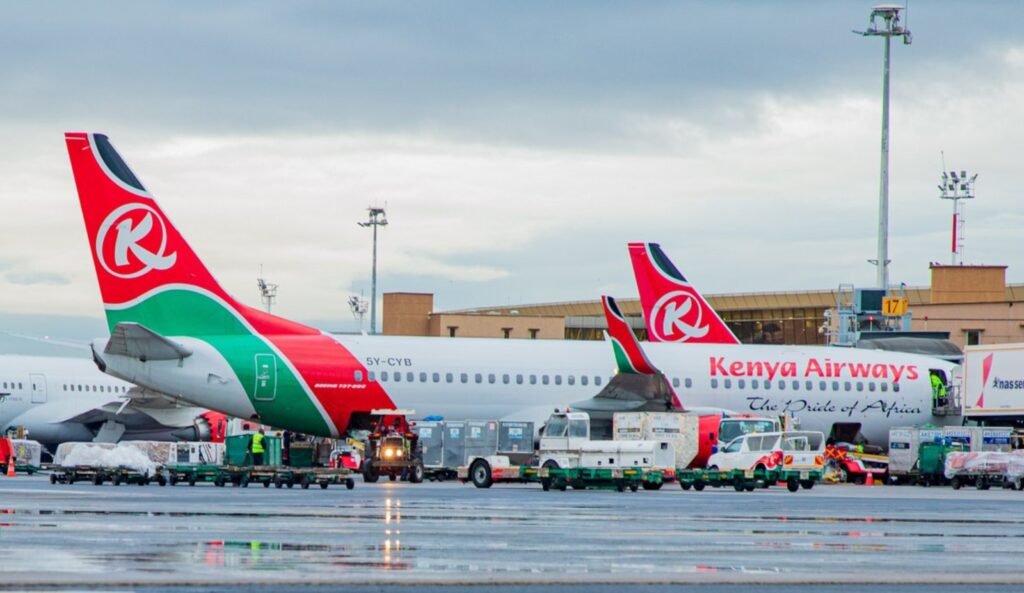
Hersi also described his personal experience with the latest disruption, saying his flight from Zanzibar was delayed by almost two hours because it could not take off from Nairobi.
He said his company was subsequently dealing with visitors who had missed flights, including travellers with transcontinental connections.
He described the disruption as a particularly damaging experience for tourists either ending their Kenyan holidays or beginning their trips.
“What a welcome to Magical Kenya,” he said.
Appeal for presidential intervention
Hersi said he was not seeking to score political points but was speaking as a tourism industry stakeholder concerned about the long-term impact of repeated aviation disruptions.
He urged President Ruto to personally intervene and ensure that the government and aviation workers reach a durable agreement capable of preventing the dispute from recurring.
He also warned that Kenya’s tourism industry is already facing other external challenges and cannot afford additional disruptions originating within the country’s own aviation system.
“I remain, as always, a proud son of this industry and an eternal optimist,” Hersi concluded, expressing hope that his appeal would receive the urgency he believes the situation deserves.



